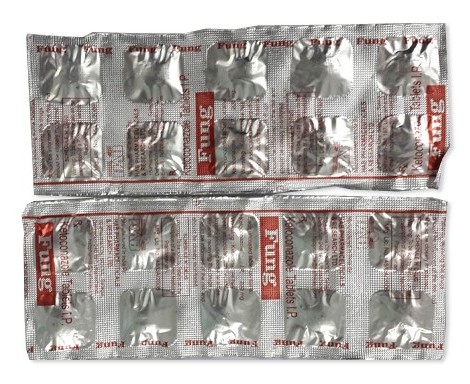
Xalatan
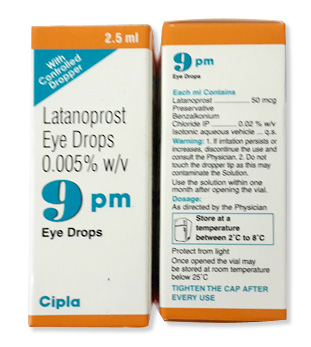
Xalatan
- Xalatan (latanoprost) is supplied through pharmacies and authorized distributors in Canada and globally; it is classed as a prescription-only medicine in most countries (including the US, EU and Japan), although in some pharmacies or online vendors it may be possible to obtain it without a prescription depending on local rules — always check local regulations and consult a clinician before use.
- Xalatan is used to lower elevated intraocular pressure in open‑angle glaucoma and ocular hypertension; it is a prostaglandin F2α analogue that reduces intraocular pressure primarily by increasing uveoscleral outflow of aqueous humour.
- The usual dose is one drop of 0.005% (0.05 mg/mL) latanoprost in the affected eye(s) once daily, preferably in the evening; dosing more frequently does not increase efficacy.
- It is administered as an ophthalmic solution (topical eye drops), available as multidose dropper vials (2.5 mL or 5 mL) and preservative‑free single‑dose containers.
- The onset of IOP lowering is generally within about 3–4 hours after dosing, with measurable effects early and increasing over the first day.
- Duration of action is approximately 24 hours, which supports once‑daily dosing; full therapeutic effect may take days to weeks of regular use.
- There is no specific alcohol prohibition with latanoprost, and moderate alcohol use does not alter its ocular mechanism, but avoid alcohol if it worsens eye irritation or dryness and follow medical advice.
- The most common side effects are increased iris pigmentation, eyelash growth, periocular skin darkening and mild conjunctival hyperemia; other common complaints include eye irritation, blurred vision or foreign‑body sensation.
- Would you like to try xalatan without a prescription?
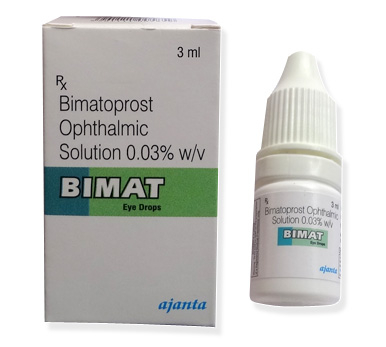
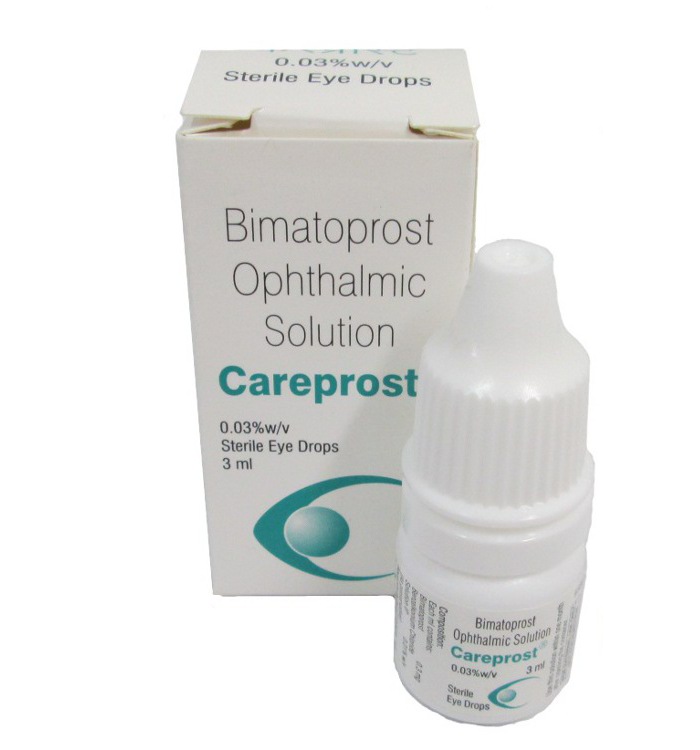
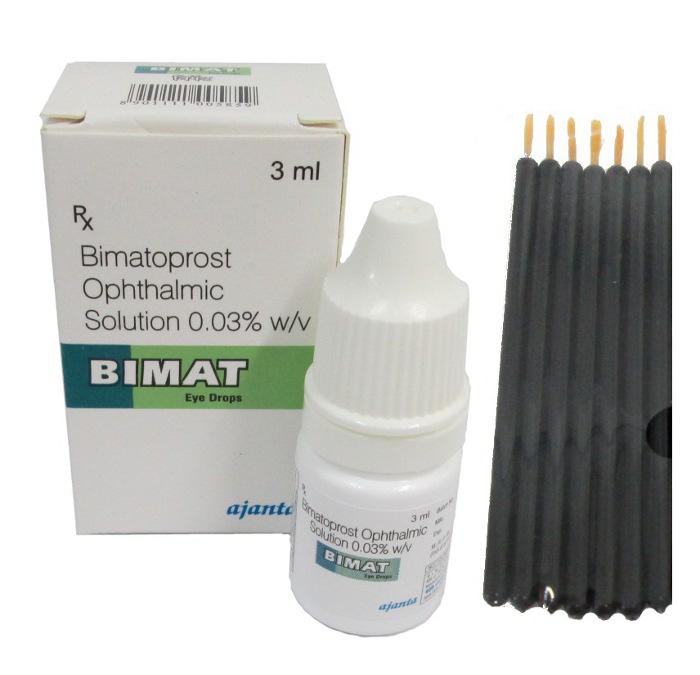
Basic Xalatan Information
- INN (International Nonproprietary Name): Latanoprost
- Brand Names Available In Canada (English): Xalatan (Viatris; dropper vials 2.5 mL and 5 mL). Single‑dose preservative‑free options available internationally include Iyuzeh and Monoprost; availability in Canada varies by supplier.
- ATC Code: S01EE01 (S01: Ophthalmologicals; EE: Prostaglandin Analogues; 01: Latanoprost)
- Forms & Dosages: Ophthalmic solution 0.005% (0.05 mg/mL) in multidose 2.5 mL and 5 mL vials; preservative‑free single‑dose containers also exist.
- Manufacturers In Canada (English): Viatris (innovator Xalatan) and various global suppliers for generics (Sun Pharma, Glenmark, Théa) — distribution may vary by pharmacy.
- Registration Status In Canada (English): Registered internationally and sold in North America as Xalatan and generics; the product is prescription only in most jurisdictions.
- OTC / Rx Classification: Prescription Only (Rx) — prescription oversight is standard due to need for monitoring and potential side effects.
Important Instructions, Warnings And Daily-Life Integration For Canadian Patients
Do you have questions about storing and using Xalatan at home or while travelling in Canada?
Before using Xalatan (latanoprost) make sure you have a valid prescription from an eye‑care professional and check the DIN on the bottle or pharmacy label.
Store unopened bottles refrigerated at 2°C–8°C and, after opening, keep below 25°C and discard after 4–6 weeks according to local labelling.
If you have active eye inflammation, a history of herpetic keratitis, severe asthma, or are aphakic or pseudophakic, discuss the risks with your prescriber before starting therapy.
Rural patients may need mail‑order pharmacies or coordination with a local clinic for IOP checks, and bilingual labelling is common in Canada.
- Storage & Transport Checklist: Keep unopened bottle refrigerated; use insulated pack for courier transport; avoid freezing; after opening, store below 25°C and discard after the labelled 4–6 week period.
- Quick Contraindications: Known hypersensitivity to latanoprost, history of herpetic keratitis; consult if active uveitis, aphakia/pseudophakia with torn capsule, or severe asthma.
Morning Vs Evening Dosing In Canadian Routines
Which time of day should you put in your latanoprost drop so it fits your life?
Most product directions recommend one drop in the affected eye once daily, preferably in the evening.
Evening dosing usually reduces daytime blurred vision and minimises interference with work, commuting, or outdoor activities, which is helpful in Canadian winter conditions.
For shift workers or those who sleep during daylight, choose a consistent 24‑hour time that aligns with the main sleep period instead of clock time.
If you wear contact lenses, remove them before putting in the drop and wait 15 minutes before reinserting lenses.
Track doses with a small eye‑drop diary, a pillbox‑style organiser, or a smartphone alarm; community pharmacies such as Shoppers Drug Mart, Rexall or London Drugs can enrol patients in adherence programs.
- Checklist For Dosing Routine: one drop once daily; pick a consistent time; remove contacts before instillation; wait 15 minutes to reinsert contacts; set an alarm or use pharmacy adherence support.
| Timing | Pros | Cons |
|---|---|---|
| Morning | Fits morning routines for some, easier if evenings are busy. | May cause daytime blurred vision or irritation during work/commute. |
| Evening | Reduces daytime interference, preferred per product instructions. | Risk of missing dose if evening schedule varies. |
Taking With Or Without Meals (Canadian Diet Context)
Do meals change how latanoprost works?
Oral intake and meals do not affect latanoprost’s topical action, so there is no need to time doses around meals.
Alcohol or heavy caffeine intake can worsen dry eye or ocular irritation and may make tolerability worse after instillation.
When using multiple topical eye medicines, separate instillations by at least five minutes and put latanoprost last if instructed by your clinician.
Seniors on complex regimens can use weekly medication charts or pharmacy blistering services where available; some provincial programs support these services.
- Co‑Administration Steps: confirm order of drops with prescriber; wait five minutes between different products; use preservative‑free options if needed for irritation.
Safety Priorities
Who Should Avoid It (Health Canada Advisories)
Who needs a closer look before starting Xalatan?
Absolute contraindications include known hypersensitivity to latanoprost or formulation components and a history of herpetic keratitis.
Use caution and obtain ophthalmology review for aphakic or pseudophakic eyes with a torn posterior capsule because of macular edema risk.
Patients with severe asthma should report new or worsening respiratory symptoms; rare bronchospasm reactions have been described.
Health Canada requires prescription oversight; always check packaging for the DIN and product‑specific warnings.
If pregnant or breastfeeding, discuss risks with an ophthalmologist and consult provincial guidelines such as OHIP/ODB, BC PharmaCare or RAMQ for coverage and advice.
- Red Flags Checklist: sudden vision change, severe eye pain, signs of infection, respiratory symptoms after dosing, pregnancy or breastfeeding—seek prescriber advice immediately.
Decision Tree (Short): New severe eye symptoms → stop drops and contact eye care professional. Respiratory symptoms → stop and seek urgent evaluation. Routine redness/irritation → report at next clinic visit.
Activities To Limit (Driving, Workplace Safety)
Can latanoprost affect driving or precision work?
Transient blurred vision or stinging may occur after instillation—avoid driving or operating machinery until vision clears.
If a job requires precision, schedule drops at home in the evening to reduce occupational risk.
Workers in cold outdoor environments should protect opened bottles from freezing during commutes and follow storage temperature guidance.
- Workplace Safety Checklist: wait until vision clears before driving; schedule doses outside critical work windows; protect the bottle from freezing during transport.
Dosage & Adjustments
General Regimen (DIN References)
What dose should a patient expect to use?
Standard Canadian regimen is 1 drop of 0.005% latanoprost in the affected eye once daily, with evening dosing preferred.
Xalatan is sold in 2.5 mL and 5 mL multidose vials in Canada; always check the bottle for the DIN and manufacturer details before dispensing.
Dosing more frequently does not increase efficacy and may reduce the IOP‑lowering effect.
Confirm concentration (0.005% / 0.05 mg/mL) at dispensing and explain storage: refrigerate before opening (2°C–8°C), then keep below 25°C after opening and discard per the 4–6 week labelling.
| Item | Details |
|---|---|
| Dose | 1 drop of 0.005% in affected eye once daily (evening preferred) |
| Vial Sizes | 2.5 mL and 5 mL multidose vials |
| Storage | Refrigerate 2°C–8°C before opening; below 25°C after opening; discard after 4–6 weeks |
| DIN Check | Verify the DIN and manufacturer at dispensing and record on patient profile |
Special Cases (Elderly, Comorbidities)
Do older adults or people with other illnesses need different dosing?
Elderly patients generally require no dose adjustment but may need help with instillation and adherence aids.
Patients with liver or kidney impairment do not require formal dose adjustment, though clinical caution is reasonable because formal studies are limited.
Use in children is limited; latanoprost is not routinely recommended for under‑18 without specialist guidance.
- Counselling Points: offer instillation training, consider preservative‑free options for ocular surface disease, and refer to ophthalmology for complex comorbid cases.
User Testimonials
Positive Reports From Canadian Patients
What do real Canadian patients say after using Xalatan?
Many report meaningful IOP reduction and appreciate the once‑daily convenience.
Evening dosing is commonly praised for improving adherence and causing minimal daytime interference.
Some patients note cosmetic changes such as longer eyelashes and slight darkening of the iris or periocular skin; iris changes can be permanent over months in some individuals.
Urban patients often describe seamless refills at major chains while rural patients value reliable mail‑order pharmacy continuity.
- “My pressure readings dropped and I only need one drop at night; refills are simple.”
- “Eyelashes got thicker; the colour change was slow but noticeable.”
- “Living in a small town, mail delivery from the pharmacy keeps my treatment uninterrupted.”
Expected Benefits Vs Cosmetic Changes Checklist: reduced IOP and once‑daily dosing versus possible eyelash growth and periocular pigmentation.
Common Challenges In Forums
What practical problems do patients discuss online?
Frequent concerns include trouble with bottle handling where drops go missing, preservative sensitivity, and confusion about cost and coverage.
Many patients report switching to preservative‑free brands like Monoprost or Iyuzeh to reduce irritation.
Cross‑border comparisons with US pricing and generics are common; remind patients that coverage, prescription rules and availability differ between Canada and the US.
- Top Forum Topics: drop accuracy and aim, preservative intolerance, pricing/coverage, switching brands, storage and transport tips.
Troubleshooting Checklist: if drops miss the eye, try tilt technique; if irritation persists, ask pharmacist about preservative‑free options; keep receipts and DIN for coverage questions.
Buying Guide
Pharmacy Sources (Shoppers, Rexall, Jean Coutu, London Drugs)
Where can Canadians get Xalatan or latanoprost?
Xalatan and latanoprost generics are available through major Canadian chains and independent pharmacies.
Preservative‑free options such as Monoprost or Iyuzeh may be carried regionally or sourced through specialty ophthalmic suppliers.
Ask a pharmacist to confirm the DIN, manufacturer (Viatris, Théa, Sun Pharma, Glenmark) vial size, and expiry after opening before purchase.
Use provincial pharmacy networks for home delivery in rural areas, and expect bilingual labelling particularly in Quebec.
| Chain / Source | Typical Availability | Notes |
|---|---|---|
| Shoppers Drug Mart | Common stock of brand and generics | Adherence programs and prescription transfers available |
| Rexall | Generics and brand on request | Home delivery options in many areas |
| London Drugs | Regional availability | Auto‑refill and pharmacist counselling |
| Independent Pharmacies | May carry preservative‑free or special orders | Good for rural mail‑order coordination |
Price Comparison (In-Store Vs Online, Cross-Border Notes)
How much should patients expect to pay and what about coverage?
Prices vary by brand, insurer coverage and provincial formularies; provincial drug plans such as Ontario Drug Benefit, BC PharmaCare and RAMQ may cover latanoprost for eligible patients.
Online retailers often offer home delivery and convenience, but cross‑border purchasing from the US can conflict with Canadian prescription and import rules.
Patients should confirm legality and product authenticity before buying across the border.
- Price‑Check Steps: confirm DIN and brand, check provincial formulary listing, ask pharmacist about prior‑authorisation requirements.
- Insurer Checklist: keep prescription paperwork, record DIN and manufacturer, request pharmacist assistance with special‑authorization forms if needed.
Note: Although latanoprost is prescription‑only, xalatan is offered without a prescription with discreet delivery to Canada (English) in 5‑14 days through our online pharmacy service.
What’s Inside & How It Works
Ingredients Overview
What is the active ingredient and do preservative‑free options exist?
The active ingredient is latanoprost 0.005% (0.05 mg/mL) in an ophthalmic solution.
Formulations include multidose bottles with preservatives and single‑dose preservative‑free containers such as Iyuzeh and Monoprost.
Excipients and preservative status differ by manufacturer; patients with preservative sensitivity should request preservative‑free products.
| Brand / Product | Formulation Type | Preservative Status |
|---|---|---|
| Xalatan (Viatris) | Multidose dropper vials (2.5 mL, 5 mL) | Contains preservative (multidose) |
| Monoprost / Iyuzeh (Théa) | Single‑dose vials | Preservative‑free |
| Generic Latanoprost (Sun Pharma, Glenmark) | Multidose dropper vials | Varies by product |
Mechanism Basics
How does latanoprost lower eye pressure?
Latanoprost is a prostaglandin analogue that increases uveoscleral outflow, thereby lowering intraocular pressure.
Once‑daily dosing produces sustained effects; dosing more than once daily does not improve IOP control.
- Onset: measurable IOP reduction within days to weeks.
- Common effects explained by mechanism: eyelash growth and increased iris pigmentation due to prostaglandin receptor activity.
- Monitoring: regular IOP checks and ocular surface assessment are recommended.
Main Indications
Approved Uses In Canada
What is Xalatan licensed to treat?
Xalatan (latanoprost) is approved to lower elevated intraocular pressure in open‑angle glaucoma and ocular hypertension and is a widely prescribed first‑line prostaglandin analogue.
Products are prescription only and packaged in 2.5 mL and 5 mL vials; always check DIN and manufacturer at dispensing.
Ophthalmologists and optometrists commonly start therapy and schedule follow‑ups to measure IOP response and monitor ocular surface and posterior segment.
- Monitoring Checklist: baseline IOP measurement, follow‑up at 4–12 week intervals initially, document product name and DIN for coverage claims.
Off-Label Uses By Canadian Physicians
Are there situations where doctors prescribe latanoprost off‑label?
Off‑label uses are uncommon but may include select pediatric glaucoma cases under specialist supervision when other treatments are unsuitable.
Physicians sometimes use prostaglandin analogues for steroid‑induced ocular hypertension when appropriate, with documented rationale and informed consent.
- Documentation Checklist: record indication, specialist approval if needed, and monitoring plan when prescribing off‑label.
Interaction Warnings
Food Interactions (Alcohol, Caffeine)
Could food or drinks change how well latanoprost works?
Topical latanoprost has minimal systemic absorption and no direct food interactions are established.
Alcohol and high caffeine intake can worsen dry eye or ocular discomfort and may make perceived side effects worse.
- Lifestyle Tips: reduce alcohol and excessive caffeine if experiencing ocular irritation; stay hydrated and use preservative‑free lubricants if needed.
Drug Conflicts (Health Canada Database)
Which medicines need attention when using Xalatan?
Systemic drug interactions are rare due to limited absorption, but topical interactions are important: wait five minutes between different eye drops.
Concomitant ocular antihypertensives may be combined under supervision; check compatibility and cumulative effects.
For patients on systemic prostaglandin‑modulating therapies or with severe respiratory disease, consult Health Canada monographs and provincial formularies before initiating therapy.
- Pharmacy Screening Checklist: document current ocular and systemic meds, confirm five‑minute spacing rule, check Health Canada monograph for updates.
Latest Evidence & Insights
Canadian And International Research Highlights
What does the evidence say about latanoprost compared with alternatives?
Clinical trials confirm latanoprost’s efficacy as a first‑line prostaglandin analogue for lowering IOP in open‑angle glaucoma and ocular hypertension.
Comparative studies show similar IOP control across prostaglandin agents (bimatoprost, travoprost, tafluprost) with differences in side‑effect profiles.
Emerging evidence supports preservative‑free formulations for patients with ocular surface disease, improving tolerability without losing efficacy.
| Study (Author/Year) | Population | Intervention | Outcome / Takeaway |
|---|---|---|---|
| Comparative Prostaglandin Trials | International adult patients | Xalatan vs other prostaglandins | Similar IOP reduction; side‑effect profiles guide choice |
| Preservative‑Free Tolerability Studies | Patients with ocular surface disease | Monoprost / Iyuzeh vs preserved latanoprost | Improved tolerability with preserved efficacy |
| Rural Access Observational Data | Canadian rural populations | Access interventions | Mail delivery and pharmacy coordination improve adherence |
Practical Takeaway: Choose product based on tolerability, preservative status and coverage while monitoring IOP response.
Alternative Choices
Comparable Medicines With Pros/Cons Checklist
What are the main alternatives and how do they compare?
Alternatives include bimatoprost (Lumigan), travoprost (Travatan Z), tafluprost (Saflutan) and generic latanoprost formulations.
Bimatoprost may produce greater eyelash effects, while tafluprost and preservative‑free options can be better for sensitive ocular surfaces.
- Pros: several agents offer comparable IOP control; preservative‑free brands reduce ocular irritation.
- Cons: cost, differences in formulary coverage and variable side effects such as cosmetic changes.
Switching Considerations
How should switching between brands or to preservative‑free drops be managed?
When switching, monitor IOP within 4–6 weeks and reassess ocular surface symptoms.
Inform patients about cosmetic differences and storage changes between single‑dose and multidose packaging.
- Stepwise Checklist: document product name and DIN, record reason for switch, schedule IOP check at 4–6 weeks, and assist with insurer documentation.
Regulation Snapshot
Health Canada Approval And DIN Requirements
What regulatory checks should pharmacists and patients make?
Xalatan and latanoprost generics are regulated and must carry a Drug Identification Number (DIN) when marketed in Canada; patients should verify the DIN on their bottle.
The product is prescription‑only in Canada and worldwide; pharmacists must verify DIN, expiry and storage instructions at dispensing.
- Regulatory Checklist: confirm DIN, ensure valid prescription, counsel on storage and monitor for adverse effects.
Provincial Drug Plan Interactions
How does provincial coverage affect access and cost?
Coverage varies by province; Ontario Drug Benefit, BC PharmaCare and RAMQ may list prostaglandin analogues with differing criteria and possible prior‑authorisation requirements.
Rural patients can sometimes access exceptional access programs for coverage; pharmacists should assist with paperwork and appeals when needed.
- Insurer Documentation Checklist: collect prescriber notes, document prior treatment failures if required, supply DIN and product details for special‑authority requests.
FAQ
Can I Buy Xalatan Online Without A Canadian Prescription?
No — latanoprost is prescription‑only in Canada and online sellers should require a valid Rx and products with a Canadian DIN.
How Long Before I See Benefits?
IOP lowering is measurable within days to weeks, and sustained therapy is often long term while pressure control is needed.
What If I Miss A Dose?
If a dose is missed, administer it as soon as remembered the same day; if it is close to the next scheduled dose, skip the missed dose and do not double up.
Are Preservative-Free Options Available In Canada?
Yes — preservative‑free latanoprost options such as Monoprost and Iyuzeh exist, but availability varies by pharmacy and provincial listing.
- When To Call Your Eye Doctor: sudden vision loss, severe eye pain, signs of infection, or new respiratory symptoms after starting drops.
Guidelines For Proper Use
Canadian Pharmacist And Provincial Health Authority Recommendations
What should pharmacists do at dispensing and what follow‑up is recommended?
Pharmacists should confirm the DIN, explain storage (refrigerated before opening; below 25°C after opening; discard after 4–6 weeks), counsel on instillation technique and flag contraindications such as herpetic keratitis, active uveitis or aphakia.
Provincial authorities recommend baseline IOP measurement and periodic monitoring, often at 4–12 week intervals initially.
Report adverse events to the Canada Vigilance Program and provide bilingual written instructions when required.
- Instillation Checklist: wash hands, tilt head back, pull lower lid down, instil one drop without touching the bottle to the eye, close eyes gently for one minute and blot excess.
- Pharmacist Counselling Template: confirm product/DIN, review dose and timing, review storage/disposal, document counselling and provide insurer paperwork support.
Delivery Across Canada (English)
| City | Region | Delivery Time |
|---|---|---|
| Toronto | Ontario | 5-7 days |
| Montreal | Quebec | 5-7 days |
| Vancouver | British Columbia | 5-7 days |
| Calgary | Alberta | 5-7 days |
| Edmonton | Alberta | 5-7 days |
| Winnipeg | Manitoba | 5-9 days |
| Ottawa | Ontario | 5-7 days |
| Quebec City | Quebec | 5-9 days |
| Halifax | Nova Scotia | 5-9 days |
| Victoria | British Columbia | 5-7 days |
| St. John’s | Newfoundland and Labrador | 5-9 days |
| Saskatoon | Saskatchewan | 5-9 days |
| Regina | Saskatchewan | 5-9 days |
| Burnaby | British Columbia | 5-7 days |