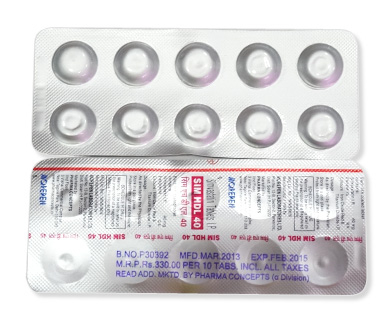
Cholesterol is a waxy, fat-like substance found in your blood and cells that plays an important role in building cell membranes, producing hormones, and creating vitamin D. However, when cholesterol levels become too high, it can build up in your arteries, increasing your risk of heart disease and stroke. There are two main types of cholesterol: LDL (low-density lipoprotein), often called "bad cholesterol," and HDL (high-density lipoprotein), known as "good cholesterol." Your body needs some cholesterol to function properly, but maintaining healthy levels is crucial for overall wellness. Many Canadians have high cholesterol without realizing it, as there are often no symptoms. This is why regular testing is recommended, especially as you age or if you have a family history of heart disease.
High cholesterol can develop due to genetics, diet, lack of physical activity, obesity, smoking, and age. Some people are predisposed to high cholesterol through family history, while others develop it through lifestyle choices. Consuming foods high in saturated fats and trans fats can raise your LDL levels. Men over 45 and women over 55 are at higher risk for developing high cholesterol. Certain medical conditions like diabetes and hypothyroidism can also contribute to elevated cholesterol levels.
Controlling your cholesterol significantly reduces your risk of heart attacks, strokes, and other cardiovascular diseases. Proper management can help you live a longer, healthier life and prevent serious complications. Lowering LDL cholesterol and increasing HDL cholesterol through medication and lifestyle changes can reverse some arterial damage and improve heart health. Many people who manage their cholesterol successfully avoid the need for surgical interventions.
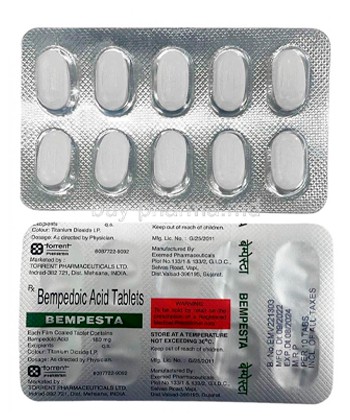
Several effective medications are available to help lower cholesterol levels across Canada. These medications work through different mechanisms and are prescribed based on individual health needs and cholesterol levels. Your healthcare provider will determine which medication is most appropriate for your situation.
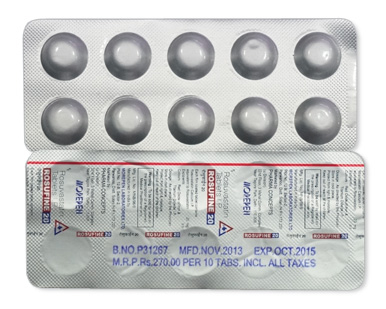
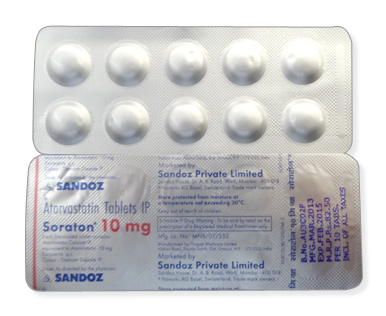
Statins are the most commonly prescribed cholesterol-lowering medications in Canada and are very effective at reducing LDL cholesterol. Available options include Atorvastatin, Simvastatin, Rosuvastatin, Pravastatin, and Lovastatin. These medications work by blocking an enzyme your liver needs to produce cholesterol. Statins not only lower cholesterol but also help reduce inflammation in blood vessels and can prevent blood clots. They are available in various strengths to accommodate different cholesterol levels and individual needs. Most statins are taken once daily, usually in the evening, for better effectiveness.
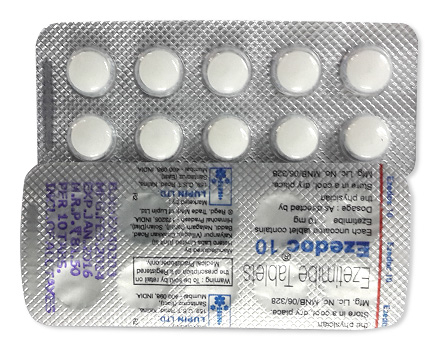
Beyond statins, several other medications can help manage your cholesterol:
While medications are important, lifestyle modifications play a crucial role in managing cholesterol effectively. These changes can be just as powerful as medication when implemented consistently and can sometimes reduce or eliminate the need for certain drugs.
Choosing heart-healthy foods is essential for lowering cholesterol naturally. Increase your intake of soluble fibre found in oats, beans, and fruits, which helps reduce LDL cholesterol. Replace saturated fats with healthier unsaturated fats from olive oil, avocados, and nuts. Include fatty fish like salmon and mackerel rich in omega-3 fatty acids at least twice weekly. Reduce intake of processed foods, sugary beverages, and foods high in trans fats. Plant sterols and stanols found in fortified foods can help lower cholesterol by up to 10 percent.
Regular physical activity helps raise HDL cholesterol and lower LDL cholesterol and triglycerides. Aim for at least 150 minutes of moderate-intensity aerobic exercise each week, such as brisk walking, cycling, or swimming. Strength training twice weekly also contributes to better cholesterol management. Even small increases in daily activity, like taking stairs or parking further away, contribute to overall cardiovascular health. Exercise combined with weight management produces the best results.
Maintaining a healthy weight reduces cholesterol levels and decreases cardiovascular disease risk. Losing just 5 to 10 percent of your body weight can significantly improve cholesterol ratios. Quitting smoking immediately improves HDL cholesterol levels and reduces your risk of heart disease. Smoking damages blood vessels and accelerates atherosclerosis development.
Regular cholesterol testing helps you track your progress and ensures your treatment plan is working effectively. Understanding your cholesterol numbers empowers you to make informed decisions about your health.
A lipid panel measures total cholesterol, LDL cholesterol, HDL cholesterol, and triglycerides. Most Canadian healthcare providers recommend cholesterol screening every four to six years for adults without risk factors. People with high cholesterol or cardiovascular disease risk should be tested more frequently, sometimes annually or even every few months. Fasting before the test was traditionally required, but modern tests often provide accurate results without fasting.
Optimal total cholesterol is below 200 mg/dL for most adults. LDL cholesterol should ideally be below 100 mg/dL, with lower targets for those with heart disease or multiple risk factors. HDL cholesterol should be 60 mg/dL or higher, as higher levels provide better protection. Triglycerides should remain below 150 mg/dL. Your healthcare provider will establish personalized targets based on your individual risk factors.
Effective cholesterol management requires ongoing partnership with your healthcare team to monitor progress and adjust treatment as needed.
Taking your cholesterol medication consistently as prescribed is vital for success, even if you feel fine. Some people need to try different medications before finding the right fit. Regular follow-up appointments allow your doctor to assess medication effectiveness and side effects. Blood tests typically occur six weeks after starting new medication to evaluate response.
Some statin users experience muscle aches, which usually resolve within a few weeks. Headaches and digestive issues can occur but are often temporary. If you experience side effects, inform your healthcare provider rather than stopping medication, as alternatives may be available. Most people tolerate cholesterol medications well with minimal side effects.
Managing cholesterol is part of a comprehensive approach to preventing cardiovascular disease and maintaining long-term health. Establish routines around medication taking, exercise scheduling, and meal planning to support consistency. Keep stress levels manageable through meditation, yoga, or other relaxation techniques. Adequate sleep supports overall cardiovascular health and cholesterol management. Regular health checkups help catch problems early and adjust treatment plans as needed to maintain optimal heart health throughout your life.