Alcoholism, also known as alcohol use disorder (AUD), is a chronic medical condition characterized by an inability to control or stop drinking despite negative consequences. This condition affects millions of Canadians and impacts physical health, mental wellbeing, relationships, and work performance. Alcoholism develops when regular alcohol consumption leads to physical and psychological dependence, where the body and mind become reliant on alcohol to function normally. The condition progresses through stages, from mild to severe, and requires professional intervention and treatment. Understanding the nature of alcoholism is the first step toward recovery and managing this serious health condition effectively.
Alcohol dependence occurs when the brain adapts to regular alcohol use, creating both physical and psychological cravings. The body develops tolerance, requiring increasing amounts of alcohol to achieve the same effects. Withdrawal symptoms, including tremors, anxiety, and insomnia, occur when alcohol consumption decreases or stops. These symptoms can be dangerous and require medical supervision during detoxification.
Common signs include consuming more alcohol than intended, unsuccessful attempts to cut down, spending significant time obtaining alcohol, and continuing use despite known problems. Individuals may experience blackouts, neglect responsibilities, and isolate from family and friends. Physical symptoms include liver disease, digestive issues, and cardiovascular problems.
Canada offers several Health Canada-approved medications to help manage alcoholism and support recovery. These medications work through different mechanisms to reduce cravings, block the pleasurable effects of alcohol, or support abstinence. Pharmacological treatment is most effective when combined with counselling and behavioural therapies. Canadian pharmacies stock these medications with proper prescriptions from licensed healthcare providers.
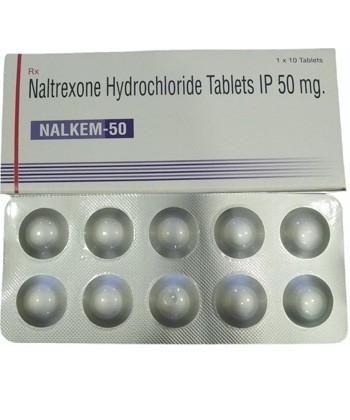
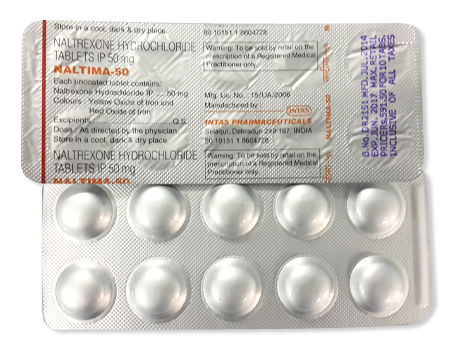
Naltrexone is an opioid antagonist that blocks the euphoric effects of alcohol, reducing the rewarding sensation and decreasing cravings. Available in oral form (50mg tablets) and extended-release injection (Vivitrol), naltrexone helps prevent relapse in individuals motivated to quit drinking. It is commonly prescribed in Canada and must be prescribed by a physician. Patients should not have opioid dependence before starting this medication. Regular monitoring by a healthcare provider is necessary to ensure effectiveness and manage any side effects.
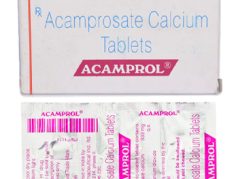
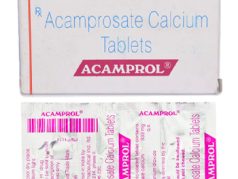
Acamprosate is available in Canada as a prescription medication that helps maintain abstinence by restoring the balance of neurotransmitters in the brain affected by chronic alcohol use. Available in 666mg tablets, it is typically taken three times daily. Acamprosate is particularly beneficial for individuals who have already stopped drinking and wish to prevent relapse. It has minimal drug interactions and is considered safe for most patients. This medication must be prescribed by a healthcare professional experienced in addiction medicine.
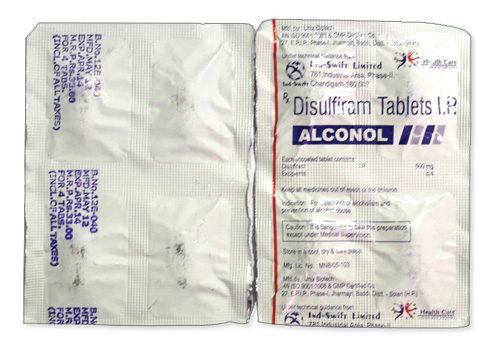
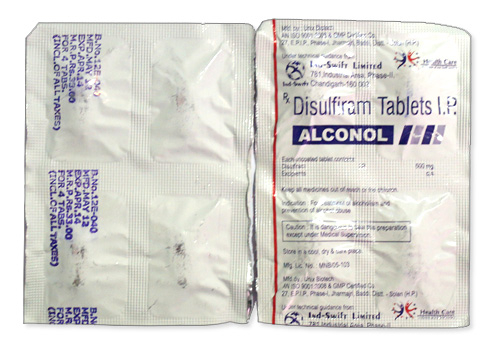
Disulfiram creates an unpleasant reaction when alcohol is consumed, including flushing, nausea, vomiting, and chest pain. Available as 250mg tablets in Canada, it works as a deterrent rather than reducing cravings. Patients must be highly motivated and fully aware of the severe reactions that occur if alcohol is consumed while taking this medication. Disulfiram requires careful patient selection and comprehensive counselling about potential interactions with alcohol-containing products.
Baclofen is a muscle relaxant that may help reduce alcohol cravings and withdrawal symptoms. Although not specifically approved for alcoholism in Canada, some physicians prescribe it off-label based on research showing promise. Typical dosing ranges from 40-80mg daily in divided doses. This medication should be used under strict medical supervision as it carries risks of dependency and withdrawal symptoms of its own.
Medication alone is insufficient for treating alcoholism; behavioural therapies and counselling form the cornerstone of successful recovery. Canada offers various evidence-based psychological treatments including cognitive behavioural therapy (CBT), motivational interviewing, and family therapy. These approaches help individuals understand triggers, develop coping strategies, and rebuild relationships damaged by alcohol use. Many provinces cover counselling services through provincial health plans or offer subsidized programs through community health centres.
CBT helps patients identify thoughts and situations that trigger drinking and develop strategies to manage these triggers. Therapists work with individuals to change negative thought patterns and build healthier coping mechanisms. This structured approach has strong research support and is widely available through Canadian addiction clinics and private therapists.
Various support options are available throughout Canada to help individuals maintain recovery:
These groups provide community, shared experience, and ongoing encouragement to members committed to recovery.
Alcohol withdrawal can be medically dangerous, requiring professional supervision and sometimes hospitalization. Symptoms typically begin 6-24 hours after the last drink and may include tremors, hallucinations, seizures, and delirium tremens. Canadian hospitals and addiction treatment centres provide supervised detoxification programs where medications like benzodiazepines are administered to manage symptoms safely.
Hospital-based programs in Canada provide 24-hour monitoring and medical intervention during the acute withdrawal phase. Doctors prescribe medications to prevent seizures and manage anxiety while the body adjusts to functioning without alcohol. Most programs include assessment for co-occurring mental health conditions and begin counselling during hospitalization.
For individuals with mild to moderate alcohol dependence and stable home environments, outpatient detoxification may be appropriate. Patients attend daily clinic appointments and receive medications while remaining at home. This option requires strong motivation and family support but allows individuals to maintain employment and family connections during recovery.
Successful recovery from alcoholism extends far beyond initial detoxification. Long-term management involves maintaining medication regimens, participating in ongoing counselling, building healthy relationships, and developing new lifestyle patterns. Many Canadians benefit from extended care programs lasting months or years. Relapse prevention strategies include identifying high-risk situations, developing emergency coping plans, and maintaining regular contact with treatment providers and support groups.
Canadian treatment centres offer structured aftercare including weekly counselling sessions, medication management appointments, and group therapy. These programs help individuals transition from intensive treatment to independent recovery. Many offer flexible scheduling to accommodate work and family responsibilities.
Recovery requires rebuilding social networks and developing hobbies and interests unrelated to alcohol. Family therapy helps repair relationships and educate loved ones about supporting recovery. Employment assistance and educational programs help individuals rebuild their careers and self-esteem during the recovery process.
Canadians seeking help for alcoholism have multiple pathways to treatment. Starting with a general practitioner who can provide referrals to addiction specialists is recommended. Provincial health plans cover most treatment costs, though availability varies by region. Private treatment centres offer additional options with varying price points. Online resources, helplines, and community organizations provide information about local services and support options available throughout Canada. Whether you require medication management, counselling, detoxification, or ongoing support, professional help is accessible and can lead to lasting recovery.