
Latisse
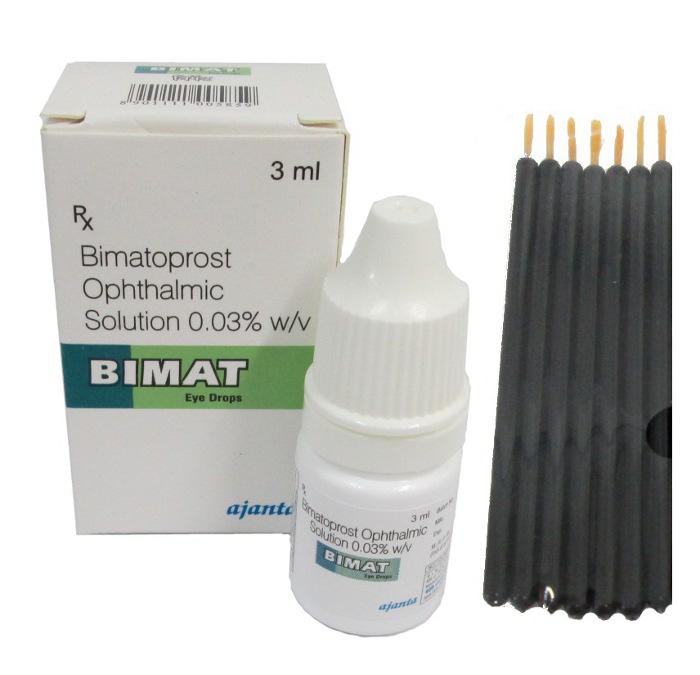
Latisse
- In pharmacies and licensed e‑pharmacies (Canada, USA, EU and internationally); Latisse is generally prescription-only in Canada, the USA and many EU countries, but some online retailers and certain pharmacies may sell bimatoprost eyelash products without a prescription or marketed as cosmetic serums—availability and legality vary by jurisdiction.
- Latisse (bimatoprost) is used to treat eyelash hypotrichosis (and bimatoprost formulations are used for glaucoma/ocular hypertension). It is a prostaglandin analogue that increases eyelash growth by prolonging the anagen (growth) phase and enlarging hair follicles; as an ocular drop it lowers intraocular pressure by increasing uveoscleral outflow.
- Usual dosage for eyelash growth (adults): apply one drop of 0.03% solution to the upper eyelid margin once nightly with a sterile single‑use applicator. For glaucoma/OHT: one drop into the affected eye(s) once daily.
- Form of administration: topical ophthalmic solution (eye drops); eyelash use involves topical application to the upper eyelid margin with single‑use applicators included in the pack.
- Onset time: visible eyelash effects typically begin after about 4 weeks, with optimal results commonly seen by 12–16 weeks.
- Duration of action: eyelash growth is maintained only with continued use—results will gradually reverse after stopping; glaucoma treatment is usually continued indefinitely with regular ophthalmic monitoring. Note: pigmentation changes (eyelid or iris darkening) can be permanent.
- Alcohol warning: there is no specific contraindication with alcohol for topical bimatoprost, but alcohol can exacerbate eye dryness or irritation; avoid heavy alcohol use around dosing and seek advice if you experience increased ocular irritation.
- The most common side effect is eye/eyelid irritation (redness, itching, burning), with other frequent effects including eyelid skin darkening, increased or misdirected eyelash growth, dry or watery eyes and possible iris pigmentation changes.
- Would you like to try latisse without a prescription?
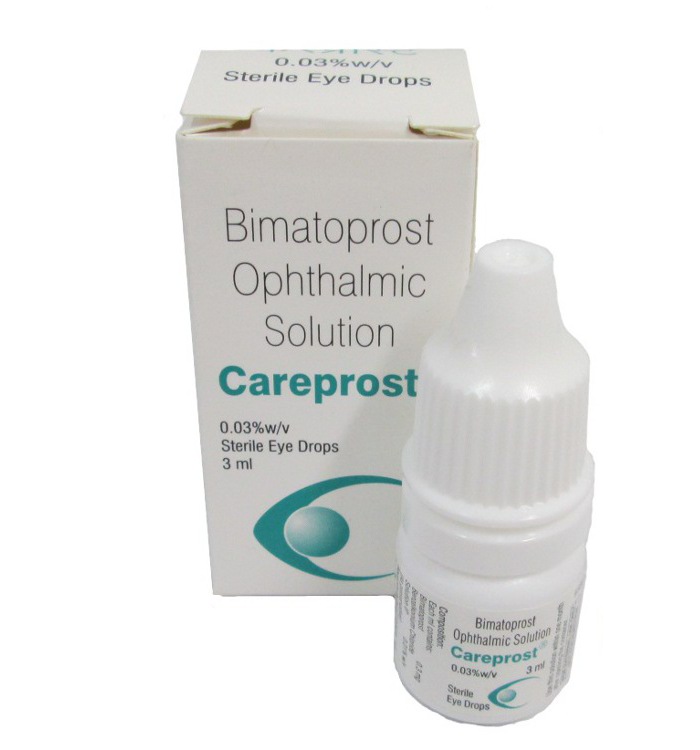
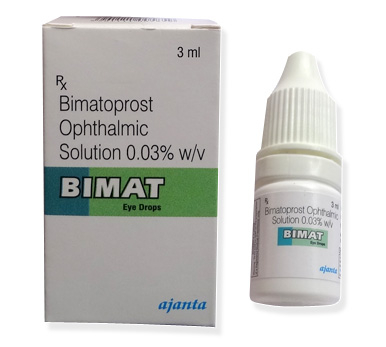
Basic Latisse Information
- INN (International Nonproprietary Name): Bimatoprost
- Brand Names Available In Canada (English): Latisse (0.03% ophthalmic solution, typically sold in 3 mL or 5 mL bottles with single‑use sterile applicators)
- ATC Code: S01EE03 — S (Sensory Organs); S01 (Ophthalmologicals); EE (Prostaglandin Analogues); 03 (Bimatoprost)
- Forms & Dosages: 0.03% ophthalmic solution for eyelash hypotrichosis applied once nightly to the upper eyelid margin; glaucoma/ocular hypertension dosing is 1 drop into affected eye(s) once daily
- Manufacturers In Canada (English): not specified
- Registration Status In Canada (English): not specified
- OTC / Rx Classification: Prescription Only (Rx)
Everyday Use & Best Practices
Morning Vs Evening Dosing In Canadian Routines
Are you wondering whether to use latisse in the morning or at night?
Use the bimatoprost 0.03% eyelash serum once nightly — the product is intended for evening application only.
Book a pharmacy or telemedicine consult before starting, because Latisse is a prescription‑only ophthalmic solution in the data provided.
Apply with a sterile single‑use applicator to the upper eyelid margin once per eye and discard the applicator after use.
Do not increase frequency or apply in the morning; doing so raises the risk of eye irritation and waste.
If you work shifts or have irregular sleep (for example, healthcare staff or long‑haul truckers), pick a consistent “night” time and set a phone reminder to avoid missed or doubled doses.
A practical checklist for a nightly routine helps reduce accidental daytime eye irritation:
- Remove contact lenses and makeup, wash hands, and open a fresh sterile applicator.
- Apply one sweep of bimatoprost along the upper eyelid margin once per eye.
- Discard the applicator and wait at least 15 minutes before reinserting contact lenses the next morning.
Taking With Or Without Meals (Canadian Diet Context)
Is Latisse affected by what you eat or when you eat it during the day?
No clinically significant food interactions are known with topical bimatoprost, so dosing does not need to align with meals.
Heavy alcoholic intake may increase the chance of ocular dryness or redness after application, so frequent drinkers should expect slightly higher irritation risk.
For rural Canadians travelling across the border to U.S. pharmacies, bring prescription documentation and confirm product concentration and packaging; Latisse 0.03% is commonly supplied in 3 mL or 5 mL bottles with applicators.
Keywords you may see in guidance or product labels include bimatoprost, Latisse 0.03%, eyelid applicators, nightly regimen, and eyelash serum Canada.
Safety Priorities
Who Should Avoid It (Health Canada Advisories)
Who should not use bimatoprost without specialist advice?
Do not use bimatoprost if you have known hypersensitivity to the drug or excipients such as benzalkonium chloride.
Avoid use with active ocular infection or inflammation until the condition is treated.
Patients with a history of uveitis, macular oedema, aphakia, or pseudophakia with a torn posterior lens capsule should discuss risks with an ophthalmologist before starting prostaglandin therapy.
Health Canada classifies these products as prescription ophthalmic solutions, so confirm the product’s DIN and seek professional counselling prior to cosmetic use.
Activities To Limit (Driving, Workplace Safety)
What should you avoid after applying the serum?
If you experience transient blurred vision, stinging, tearing, or irritation after application, pause driving or operating heavy machinery until symptoms resolve.
Contact‑lens wearers should remove lenses before nightly application and wait approximately 15 minutes before reinserting lenses the next morning.
Avoid swimming or public hot tubs if the eye has been contaminated or if you experience any spills during application to reduce infection risk.
Printable safety checklist for patients:
- Do not use if allergic to bimatoprost or benzalkonium chloride.
- Stop and seek care for persistent redness, pain, or visual changes.
- Report iris pigmentation changes promptly — this may be permanent.
Dosage & Adjustments
General Regimen (DIN References)
What is the standard dosing for eyelash enhancement and glaucoma?
For eyelash hypotrichosis the standard regimen is one drop of 0.03% bimatoprost solution applied to the upper eyelid margin once nightly using a sterile applicator per eye.
For glaucoma or ocular hypertension the ophthalmic dose is one drop into the affected eye(s) once daily; do not use both morning and evening.
In Canada, ensure the product carries a valid Drug Identification Number (DIN); pharmacists can confirm the DIN and consult the Health Canada‑registered product monograph for specifics.
| Indication | Typical Dose | Common Pack Sizes |
|---|---|---|
| Eyelash Hypotrichosis | Apply 0.03% once nightly to upper eyelid margin with sterile applicator | 3 mL, 5 mL (Latisse) |
| Glaucoma / Ocular Hypertension | 1 drop into affected eye(s) once daily | 2.5–9 mL bottles (varies by brand) |
Special Cases (Elderly, Comorbidities)
Do older adults or people with other health issues need dose changes?
Children: eyelash use is not established and is generally not recommended; paediatric glaucoma therapy with prostaglandin analogues should be managed by a specialist.
Elderly patients generally require no dose adjustment but should be monitored for increased ocular surface sensitivity, dryness, or redness.
Renal or hepatic impairment: data are limited for systemic exposure from topical use, so use with caution and report any systemic symptoms to a clinician.
Missed dose guidance: apply the next scheduled dose and do not double applications.
Overdose: rinse the eye with water and seek clinician review if symptoms persist.
User Testimonials
Positive Reports From Canadian Patients
What do Canadians report after using latisse or generic bimatoprost?
Many users report fuller, darker lashes between four and sixteen weeks of nightly use, with optimal outcomes by approximately week 16 when the regimen is followed.
Positive themes include visible length and thickness improvements, increased confidence for events, and the convenience of a once‑nightly eyelash serum routine.
Urban patients often access Latisse through chain pharmacies such as Shoppers Drug Mart or Rexall, or via telehealth prescriptions, while rural patients may order larger 5 mL packs to reduce travel frequency.
Common Challenges In Forums (Reddit Canada, Health Boards)
What problems do forum users commonly mention?
Frequent complaints are transient irritation or redness, difficulty with applicator technique that leads to waste, and concerns about potential permanent iris pigmentation or eyelid skin darkening.
Cost and lack of provincial coverage for cosmetic use are recurrent themes on Canadian boards and subreddits.
Advice from pharmacists includes not reusing applicators, photographing any pigment changes for follow‑up, and reporting adverse reactions to your pharmacist or Health Canada’s MedEffect Canada.
- Pros: effective eyelash growth timeline, once‑nightly convenience, available as branded Latisse or generics.
- Cons: irritation risk, pigmentation concerns, out‑of‑pocket cost for cosmetic use.
Buying Guide
Pharmacy Sources (Shoppers, Rexall, Jean Coutu, London Drugs)
Where can Canadians get bimatoprost for lashes?
Latisse and bimatoprost generics are prescription‑only and can be filled at national chains such as Shoppers Drug Mart, Rexall, Jean Coutu (Quebec), and London Drugs, as well as at independent community pharmacies.
Telemedicine services and licensed Canadian online pharmacies can issue prescriptions and ship within provinces; always verify the pharmacy’s Canadian licensing and the product DIN.
Quebec pharmacies may provide French labelling and bilingual counselling as required by provincial regulations.
Price Comparison (In‑Store Vs Online, Cross‑Border Notes)
How do prices compare and what should you check before you buy?
Provincial drug plans rarely cover Latisse for cosmetic use, so expect out‑of‑pocket costs unless the prescription is for a medical indication such as glaucoma and meets formulary criteria.
In‑store prices can include counselling or dispensing fees, while online prices may appear lower but can include shipping costs; cross‑border purchases are common near the U.S. border but bear risks related to customs, authenticity, and differing packaging.
When comparing sellers, verify the pharmacy, packaging, DIN, and whether sterile single‑use applicators are included.
Note on access: In our online pharmacy, latisse is available without a prescription, with discreet delivery to Canada (English) in 5-14 days.
What’s Inside & How It Works
Ingredients Overview
What does a Latisse pack typically contain?
The active ingredient is bimatoprost (INN), a prostaglandin analogue commonly formulated at 0.03% for eyelash treatment.
Typical excipients include preservatives such as benzalkonium chloride — patients with sensitivities to preservatives should be counselled.
Commercial packaging usually lists concentration, bottle volume (3 mL or 5 mL for Latisse), and includes single‑use sterile applicators to reduce infection risk.
Mechanism Basics
How does bimatoprost produce longer, thicker lashes?
Bimatoprost prolongs the anagen (growth) phase of eyelash hair follicles and can increase lash pigment and thickness through prostaglandin‑linked pathways.
For glaucoma indications the mechanism differs: bimatoprost lowers intraocular pressure by increasing aqueous outflow.
The same prostaglandin activity that stimulates lash growth explains side effects such as increased pigmentation of the iris or eyelid skin and altered lash distribution, which may be long‑lasting.
- Active: bimatoprost 0.03% (prostaglandin analogue)
- Common excipient: benzalkonium chloride (preservative)
- Pack note: single‑use sterile applicators included — do not reuse
Main Indications
Approved Uses In Canada
What is bimatoprost officially used for?
According to available product information, bimatoprost ophthalmic solutions are prescription medicines used for glaucoma/ocular hypertension and for eyelash hypotrichosis when supplied as Latisse 0.03%.
Provincial formularies are more likely to reimburse bimatoprost for glaucoma than for cosmetic eyelash use.
For eyelash hypotrichosis the standard topical regimen is nightly application to the upper eyelid margin with initial changes commonly evident at about four weeks and optimal results by roughly 16 weeks.
Off‑Label Uses By Canadian Physicians
Do clinicians use bimatoprost for anything else?
Off‑label clinician‑directed uses sometimes include eyebrow enhancement or lash augmentation for post‑chemotherapy hypotrichosis, but these require informed consent and specialist oversight because of pigmentation and ocular risks.
Cosmetic indications are generally not covered by public drug plans, and prescribers should document the rationale and counsel about potential permanent iris or skin pigmentation changes.
Interaction Warnings
Food Interactions (Alcohol, Caffeine)
Do foods or drinks change how Latisse works?
No major food interactions are documented with topical bimatoprost, and caffeine has no known interaction with the serum.
Alcohol may exacerbate ocular dryness or redness after application, so regular drinkers should be aware of a slightly increased irritation risk when using the product.
Drug Conflicts (Health Canada Database)
Which eye medicines conflict with bimatoprost?
Topical bimatoprost acts primarily locally, but concurrent use of other ocular prostaglandin analogues such as latanoprost, travoprost, or tafluprost can increase local prostaglandin exposure and raise irritation risk.
Do not use multiple prostaglandin eye drops at the same time; stagger dosing or consult an ophthalmologist for a clear plan.
Concurrent ocular medications with preservatives may increase sensitivity, so consider separating instillation times and tell your pharmacist if you use other glaucoma drops, contact lenses, or have recent ocular surgery.
Latest Evidence & Insights
Summary Of Key Findings
What does the evidence say about eyelash results and safety?
Clinical trials and post‑marketing reports show eyelash improvements with bimatoprost starting at around four weeks and peaking near 16 weeks with continued nightly use required to maintain results.
Safety literature consistently highlights eyelid and iris pigmentation and ocular irritation as common adverse outcomes, with some iris colour changes reported as permanent.
Canadian‑specific trial data are limited, so local practice commonly relies on international randomized trials and Health Canada product monographs for guidance.
Evidence Table
| Outcome | Typical Timeframe | Common Adverse Events | Notes |
|---|---|---|---|
| Onset Of Lash Growth | ~4 Weeks | Irritation, redness | Optimal results by ~16 weeks; continued use required |
| Peak Cosmetic Effect | ~16 Weeks | Iris/eyelid pigmentation (may be permanent) | Monitor and document any pigment changes |
| Glaucoma Efficacy (IOP) | Ongoing | Ocular surface effects, hyperaemia | Follow ophthalmology monitoring protocols |
Alternative Choices
What are comparable medicines or non‑Rx options?
Prescription alternatives for glaucoma include latanoprost (Xalatan/generics), travoprost (Travatan), and tafluprost; patients sometimes notice lash changes as a side effect with these agents.
Pros of these alternatives include generics availability and potential formulary coverage for glaucoma indications, while cons are variable cosmetic efficacy compared with bimatoprost for targeted eyelash therapy.
Over‑the‑counter serums often contain peptides or vitamins and are safer without a prescription, but they lack the clinical evidence that supports bimatoprost’s eyelash efficacy.
- Bimatoprost (Latisse): high efficacy for lashes; prescription‑only; iris/skin pigmentation risk.
- Latanoprost/Travoprost: proven glaucoma agents; lash effects variable; often less costly as generics.
- OTC Serums: no prescription required; lower efficacy; minimal systemic risk.
Regulation Snapshot
How is bimatoprost regulated in Canada?
Bimatoprost products are prescription‑only in most jurisdictions and should carry a Drug Identification Number (DIN) when marketed in Canada.
Confirm a product’s DIN and consult Health Canada’s Drug Product Database and the product monograph for labelling, approved indications, and safety details.
Generics and international brands exist, but verify authenticity and DIN before purchase; report suspected counterfeit products or adverse events to Health Canada/MedEffect.
Pharmacy counselling and bilingual labelling requirements apply across Canada, and storage recommendations are typically 2–25°C with replacement of the cap after use.
FAQ Section
-
How soon will I see results?
Many patients notice initial lash improvement around four weeks, with optimal results by about 16 weeks of nightly use.
-
Will my provincial plan cover Latisse?
Cosmetic eyelash use is typically not covered by Ontario Drug Benefit, BC PharmaCare, or RAMQ; coverage for medical indications such as glaucoma varies by formulary and eligibility.
-
Can I use Latisse with contact lenses?
Remove soft contact lenses before application and reinsert after approximately 15 minutes to avoid contamination.
-
Will it change my eye colour permanently?
Iris pigmentation change is a known risk and can be permanent in some cases; discuss risks with your prescriber and document informed consent.
Guidelines For Proper Use
What are the stepwise pharmacist and provincial health authority recommendations?
Wash hands and remove eye makeup before application.
Apply one drop of 0.03% bimatoprost solution to a sterile applicator and gently sweep along the upper eyelid margin once per eye nightly.
Do not apply the solution directly into the eye and discard the applicator after single use to prevent infection.
Remove contact lenses before nightly application and wait about 15 minutes to reinsert the next morning.
Store unopened bottles between 2–25°C and discard after expiry or if the solution discolours or clouds.
Schedule follow‑up with your pharmacist or prescriber at four to twelve weeks to assess efficacy and side effects such as redness, itching, or pigmentation.
For glaucoma patients, continue regular ophthalmology visits for intraocular pressure and corneal health monitoring.
Printable checklist: application steps, storage instructions, monitoring log and dates for follow‑up or photo documentation of any pigment changes.
Delivery Across Canada (English)
| City | Region | Delivery Time |
|---|---|---|
| Toronto | Ontario | 5-7 days |
| Montreal | Quebec | 5-7 days |
| Vancouver | British Columbia | 5-7 days |
| Calgary | Alberta | 5-7 days |
| Edmonton | Alberta | 5-7 days |
| Ottawa | Ontario | 5-7 days |
| Winnipeg | Manitoba | 5-7 days |
| Quebec City | Quebec | 5-7 days |
| Halifax | Nova Scotia | 5-7 days |
| Victoria | British Columbia | 5-7 days |
| Hamilton | Ontario | 5-9 days |
| Kitchener | Ontario | 5-9 days |
| London | Ontario | 5-9 days |
| Saskatoon | Saskatchewan | 5-9 days |
| Regina | Saskatchewan | 5-9 days |