Hair loss affects millions of Canadians and can occur for various reasons. Understanding the underlying cause is essential for effective treatment. Common types include androgenetic alopecia (male and female pattern baldness), which accounts for the majority of hair loss cases and is primarily driven by genetics and hormones. Telogen effluvium is temporary hair shedding triggered by stress, illness, or medication changes. Alopecia areata is an autoimmune condition causing patchy hair loss. Other causes include nutritional deficiencies, thyroid disorders, scalp infections, and excessive styling or chemical treatments.
Hair loss can significantly impact self-esteem and quality of life, making it important to seek appropriate treatment options. Age, gender, and genetics all play roles in determining hair loss patterns. Some individuals experience gradual thinning, while others notice sudden, more pronounced hair shedding. Consulting with a healthcare provider helps identify the specific type and cause of your hair loss.
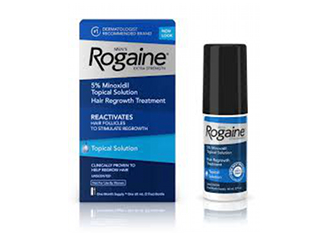
Topical solutions are among the most popular over-the-counter options available in Canadian pharmacies. Minoxidil, commonly known by brand names like Rogaine and various generic versions, is a topical medication applied directly to the scalp. It works by extending the growth phase of hair and increasing blood flow to hair follicles, helping to regrow hair and slow further loss.
Minoxidil is available in different strengths, including 2% and 5% formulations, with the 5% version often being more effective for men. Women typically use the 2% concentration to minimize potential side effects. Results usually take three to six months to become visible, requiring consistent daily application. Other topical treatments include ketoconazole shampoos, which address scalp conditions that may contribute to hair loss. These shampoos help reduce inflammation and improve scalp health. Some products contain biotin, vitamins, and plant extracts designed to strengthen hair and promote growth. Topical treatments are non-invasive and can be used alongside other therapies for enhanced results.
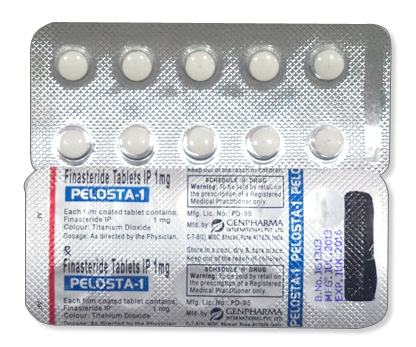
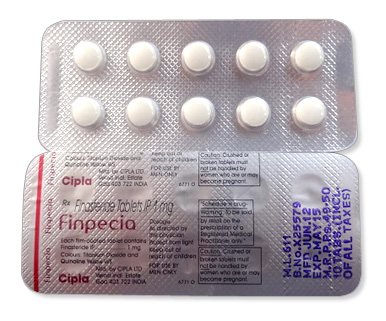
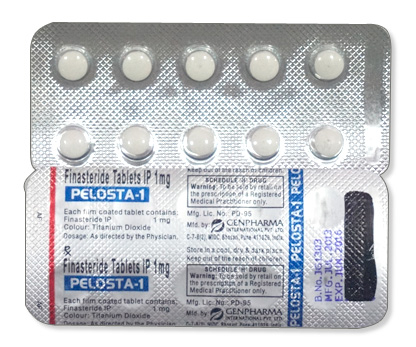
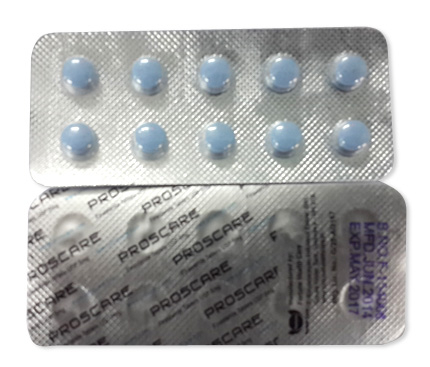
Prescription oral medications offer another approach to treating hair loss in Canada. Finasteride, available under the brand name Propecia or through generic options, is an FDA and Health Canada-approved medication for male pattern baldness. It works by inhibiting the conversion of testosterone to dihydrotestosterone, the hormone responsible for hair loss in genetically predisposed men.
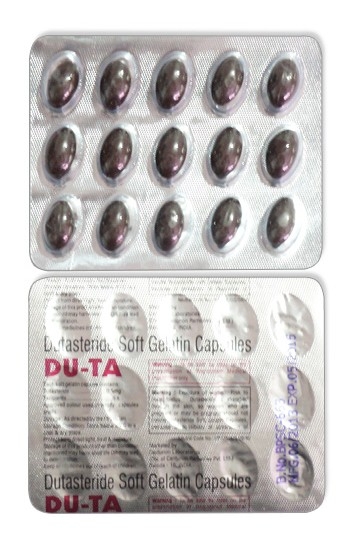
Finasteride is taken as a daily 1mg tablet and typically shows results within three to six months of consistent use. It is effective in slowing hair loss and can promote regrowth in some cases. However, it's prescribed specifically for men, as it can cause birth defects if handled by pregnant women. Dutasteride is another prescription option that works similarly to finasteride but may be more potent. It blocks both types of the enzyme responsible for DHT conversion. Women may be prescribed spironolactone, an oral medication that acts as an androgen blocker and can help reduce hair loss related to hormonal factors. All prescription medications require consultation with a healthcare provider and ongoing monitoring for effectiveness and side effects.
Nutritional deficiencies can contribute to hair loss, making supplements an important consideration. Biotin, also known as vitamin B7, is widely available in Canadian pharmacies and is popular for supporting hair health and strength. It helps strengthen hair structure and may reduce breakage. Iron deficiency is a common cause of telogen effluvium, so iron supplements may be recommended if blood tests confirm low levels.
Several key nutrients play important roles in maintaining healthy hair:
Biotin supplements typically range from 2.5mg to 10mg daily. Many Canadian pharmacies carry combination hair-growth supplements containing multiple vitamins and minerals designed to address nutritional gaps. It's important to note that supplements work best when nutritional deficiencies are the underlying cause and should complement, not replace, proven treatments like minoxidil or finasteride.
Proper hair care and preventive practices can minimize hair loss and promote scalp health. Avoid excessive heat styling, tight hairstyles, and harsh chemical treatments that can damage hair and cause breakage. Use gentle, sulfate-free shampoos and conditioners designed for your hair type. Massage your scalp regularly to improve blood circulation to hair follicles. Limit washing frequency to two or three times weekly to prevent stripping natural oils from your scalp and hair. Choose wide-toothed combs over brushes to reduce pulling and breakage.
Lifestyle factors significantly influence hair health. Manage stress through exercise, meditation, and adequate sleep, as stress is a significant trigger for telogen effluvium. Eat a balanced diet rich in protein, iron, zinc, and omega-3 fatty acids to support hair growth from within. Avoid smoking, as it can impair blood circulation and accelerate hair loss. Protect your hair from environmental damage by wearing hats in harsh sun or cold weather. Reduce or eliminate tight braids, buns, and extensions that can cause traction alopecia. These preventive measures are cost-effective and can be implemented immediately, often producing noticeable improvements when combined with medical treatments.
Selecting an appropriate hair loss treatment depends on several factors, including the type and cause of your hair loss, your age, gender, and overall health. Start by consulting with a healthcare provider or dermatologist who can examine your scalp, review your medical history, and potentially order blood tests to identify underlying causes.
For men with male pattern baldness, minoxidil and finasteride are the most evidence-based options, and combining both often yields better results than either alone. Women have fewer FDA-approved options; minoxidil 2% is the primary choice, though dermatologists may prescribe other medications off-label. If nutritional deficiencies are identified, supplementation should be prioritized. For temporary hair loss related to stress or illness, addressing the underlying cause and ensuring adequate nutrition may be sufficient.
Most treatments require at least three to six months of consistent use before visible results appear, so patience is important. Many Canadians benefit from combining approaches: using minoxidil topically, taking biotin or other supplements, and implementing proper hair care practices. Regular follow-up appointments help assess treatment effectiveness and make adjustments as needed. Your healthcare provider can also discuss emerging treatments and clinical trials. Remember that hair loss treatment is ongoing; stopping medication typically results in hair loss resuming within months. Setting realistic expectations about outcomes helps ensure satisfaction with your chosen treatment plan.