Hormones are chemical messengers that regulate numerous bodily functions including metabolism, growth, reproduction, and mood. These powerful substances travel through the bloodstream to control everything from energy levels to emotional well-being. Hormonal imbalances can occur due to aging, stress, medical conditions, or lifestyle factors, often leading to various health concerns. Understanding your hormonal health is the first step toward managing wellness effectively.
When hormones fall out of balance, individuals may experience fatigue, weight changes, mood swings, or other uncomfortable symptoms. Hormone replacement therapy and hormonal medications have become increasingly important tools in modern medicine, helping people restore balance and improve their quality of life. Many Canadians seek hormone-related treatments to address age-related changes, menopause, thyroid issues, and other hormonal concerns. Proper diagnosis and treatment under professional guidance can significantly impact overall health and vitality.
Menopause is a natural life stage where women experience significant hormonal changes, typically occurring between ages 45 and 55. During this transition, estrogen and progesterone levels decline substantially, causing symptoms like hot flashes, night sweats, mood changes, and sleep disturbances. Hormone replacement therapy (HRT) has long been used to alleviate these uncomfortable symptoms.
In Canada, several estrogen-based medications are available to help manage menopausal symptoms:
These medications come in various forms such as tablets, patches, creams, and vaginal preparations to suit individual needs and preferences. Women considering HRT should discuss benefits and risks with their healthcare provider, as hormone therapy may not be suitable for everyone. Some women prefer natural alternatives or lifestyle modifications, while others find significant relief through prescription hormone treatments. Regular monitoring and dose adjustments ensure optimal results and minimize potential side effects during menopause management.
The thyroid gland produces hormones critical for metabolism, energy production, and temperature regulation throughout the body. Thyroid disorders like hypothyroidism and hyperthyroidism affect thousands of Canadians, causing weight changes, fatigue, hair loss, and temperature sensitivity.
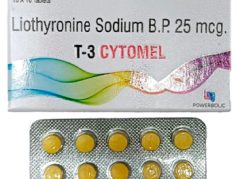
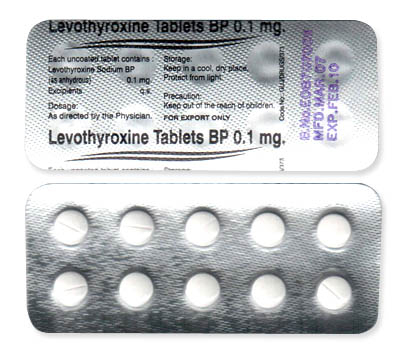
Hypothyroidism occurs when the thyroid produces insufficient hormones, requiring supplementation with synthetic thyroid hormone. Levothyroxine is the most commonly prescribed thyroid medication in Canada, available under brand names like Synthroid and Eltroxin. This medication successfully restores thyroid hormone levels when taken consistently and as directed. Dosage adjustments may be necessary based on regular blood tests monitoring TSH levels.
Hyperthyroidism, conversely, requires medications that reduce thyroid hormone production, such as propylthiouracil or methimazole. Beta-blockers may also be prescribed to manage hyperthyroidism symptoms like rapid heartbeat and anxiety. Proper thyroid hormone management is essential for maintaining healthy metabolism and overall well-being. Canadians with thyroid conditions typically require ongoing medical supervision to ensure appropriate dosing and optimal health outcomes. Taking thyroid medication consistently and having regular blood work helps maintain balanced hormone levels.
Testosterone is the primary male sex hormone responsible for developing male characteristics, maintaining muscle mass, bone density, and sexual function. As men age, testosterone levels naturally decline, sometimes causing symptoms like reduced energy, decreased libido, mood changes, and muscle weakness.
Testosterone replacement therapy helps men experiencing low testosterone levels, medically known as hypogonadism. Available Canadian testosterone products include testosterone gel, patches, injections, and pellets. Popular formulations include Androgel, Testim, Depo-Testosterone, and testosterone patches. These treatments help restore energy levels, improve sexual function, and maintain muscle and bone density.
Healthcare providers carefully evaluate candidates for testosterone therapy through blood tests and symptom assessment. Treatment must be monitored regularly to ensure safety and effectiveness while minimizing potential side effects. Testosterone therapy is not appropriate for all men and requires professional medical supervision. Some men may benefit from other hormonal or lifestyle interventions instead of direct testosterone replacement. Proper diagnosis and individualized treatment plans help men achieve optimal hormonal balance and improved quality of life.
Hormonal contraceptives contain synthetic versions of estrogen and progestin, preventing pregnancy through multiple mechanisms. Birth control pills remain among Canada's most popular contraceptive methods, providing reliable pregnancy prevention when used correctly. Various oral contraceptive brands are available, including Yaz, Yasmin, Alesse, Marvelon, and many generic formulations.
These medications regulate the menstrual cycle while preventing ovulation and thickening cervical mucus. Contraceptive options extend beyond pills to include patches, rings, injections, and intrauterine devices. Each method offers different hormone delivery systems and convenience levels to match individual lifestyles. Some contraceptives also address menstrual issues like heavy bleeding or irregular cycles.
Combination pills containing both estrogen and progestin differ from progestin-only methods in effectiveness and side effect profiles. Women choosing hormonal contraception should discuss options with healthcare providers to find the most suitable method. Hormonal birth control requires consistent use or proper administration for maximum effectiveness. Many Canadian women rely on hormonal contraceptives as their primary family planning method, appreciating both pregnancy prevention and menstrual regulation benefits.
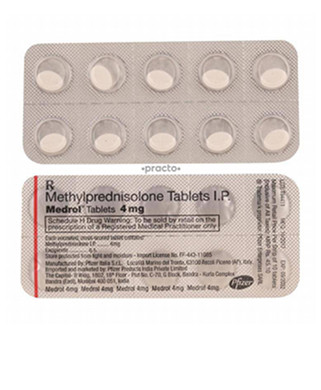
Beyond the major categories, numerous other hormonal conditions affect Canadians and require specialized treatment. Polycystic ovary syndrome (PCOS) affects many women, causing irregular periods, infertility, and metabolic issues due to hormonal imbalance. Hormonal treatments for PCOS often include birth control pills or anti-androgen medications to regulate symptoms.
Additional hormonal conditions requiring medical attention include:
Some people experience hormonal changes related to transitioning, requiring carefully monitored hormone replacement protocols. Cannabis and certain lifestyle factors can influence hormonal balance, making comprehensive assessment important. Canadians with complex hormonal concerns should consult endocrinologists or specialized healthcare providers for expert guidance and treatment planning. Proper diagnosis and individualized care ensure the best outcomes for managing these diverse hormonal conditions.