Nicotine is one of the most addictive substances known to medicine. When you smoke, nicotine reaches your brain within seconds, creating a powerful reward cycle that keeps you coming back for more. This addiction affects both your body and mind, making quitting challenging but absolutely possible with the right support and tools.
Smoking damages nearly every organ in your body. It increases your risk of heart disease, stroke, lung cancer, and chronic obstructive pulmonary disease. Beyond serious health conditions, smoking also affects your skin, teeth, and overall quality of life. The financial burden is significant too, with the average pack costing between $10 and $15 in Canada.
Quitting smoking is one of the best decisions you can make for your health. Within just one day of quitting, your heart rate and blood pressure drop. After one year, your risk of heart disease decreases by half. Your lungs begin healing immediately, and within ten years, your lung cancer risk drops significantly.
Nicotine Replacement Therapy, or NRT, provides controlled doses of nicotine without the harmful chemicals found in cigarettes. This approach helps manage withdrawal symptoms while you work on breaking the smoking habit. NRT products are available over-the-counter at Canadian pharmacies and are highly effective when used correctly.
Nicotine patches deliver nicotine slowly through your skin over 16 or 24 hours. Brands like Nicoderm and generic versions are widely available across Canada. Patches come in different strengths to gradually reduce your nicotine dependence. They are simple to use and require only one application per day.
Nicotine gum provides quick relief from cravings when they strike. Available in 2mg and 4mg strengths under brands such as Nicorette, the gum works by releasing nicotine as you chew. This option gives you control over when you use it and helps manage the hand-to-mouth habit many smokers struggle with.
Nicotine lozenges dissolve slowly in your mouth, providing steady nicotine absorption. Available in 2mg and 4mg strengths, they are discreet and can be used throughout the day. They are particularly useful for people who want a product they can use at work or in social situations without drawing attention.
Nicotine nasal spray and inhalers are also available in Canada for those who need faster nicotine delivery or prefer different delivery methods. These prescription options are often recommended for heavy smokers who struggle with other NRT products.
Beyond nicotine replacement, prescription medications can significantly increase your chances of quitting successfully. These medications work through different mechanisms to reduce cravings and withdrawal symptoms.
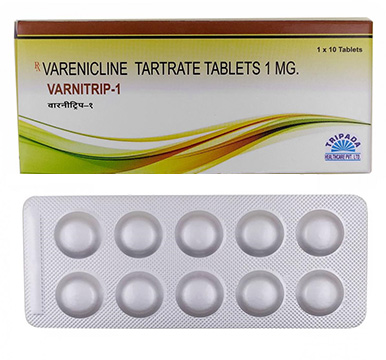
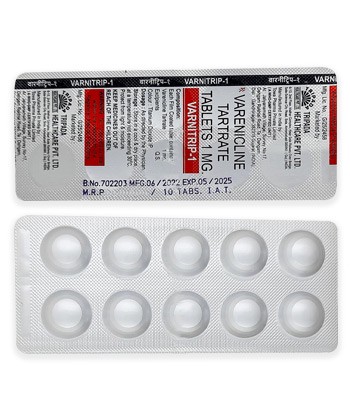
Varenicline, known as Champix, is one of the most effective prescription medications available in Canada. It works by partially blocking nicotine's effects on the brain and reducing the pleasure associated with smoking. Studies show that Champix nearly triples your chances of quitting compared to willpower alone. The medication is typically taken for 12 weeks, though your doctor may recommend a longer course.
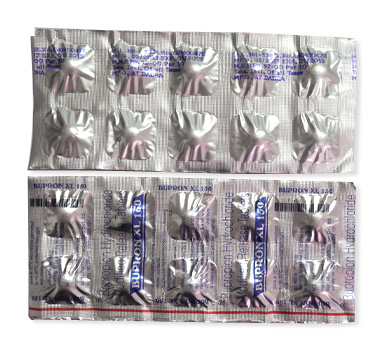
Bupropion, available as Zyban or Wellbutrin, is an antidepressant that reduces cravings and withdrawal symptoms. It works by affecting chemicals in the brain that are related to mood and addiction. Bupropion is typically started one to two weeks before your quit date and taken for several weeks. It is particularly helpful if you struggle with depression or anxiety alongside smoking addiction.
Combination therapy often provides better results than using a single method. Your pharmacist or doctor might recommend combining a nicotine patch with nicotine gum or lozenges, or combining NRT with prescription medication. This personalized approach addresses different aspects of nicotine addiction simultaneously.
Successful smoking cessation requires more than just medication. Behavioural support addresses the psychological and habitual aspects of smoking that keep many people addicted.
Canada offers several free and low-cost counselling services. The Canadian Cancer Society provides telephone counselling through provincial quitlines. British Columbia has QuitNow BC, Ontario has Telehealth Ontario, and other provinces offer similar services. These services provide evidence-based coaching to help you develop strategies for managing cravings and avoiding triggers.
Cognitive behavioural therapy helps you identify situations that make you want to smoke and develop alternative coping strategies. This therapy teaches you to recognize patterns, manage stress without cigarettes, and build confidence in your ability to remain smoke-free. Support groups create community with others facing the same challenge. Whether online or in-person, these groups provide accountability, shared experiences, and practical tips. Many hospitals and community health centres in Canada offer free smoking cessation support groups.
Withdrawal symptoms typically begin within hours of quitting and peak around three to four days. Common symptoms include irritability, anxiety, difficulty concentrating, increased appetite, and intense cravings. Understanding these symptoms are temporary and manageable helps you stay committed to quitting.
Cravings usually last only five to ten minutes. During this time, several strategies can help you get through:
Weight gain is a common concern when quitting. Many people gain five to ten pounds, but this is temporary and manageable through healthy eating and exercise. The health benefits of quitting far outweigh the risks associated with modest weight gain. Focus on eating whole foods, staying hydrated, and engaging in regular physical activity.
Staying motivated requires remembering your reasons for quitting. Whether it is improving your health, saving money, setting a good example for your children, or simply feeling better, keeping your motivation visible helps during difficult moments.
Canadian pharmacists are valuable resources for smoking cessation support. Most provinces allow pharmacists to prescribe certain smoking cessation medications like Champix and Zyban, making it easier to access treatment. Your pharmacist can review medication options, discuss potential side effects, and monitor your progress.
Prescription coverage varies by province and insurance plan. Check with your provincial health plan or private insurance to understand your coverage for medications like Champix, Zyban, and nicotine replacement products. Many plans cover these treatments partially or fully since quitting reduces overall healthcare costs.
Your doctor can provide medical supervision, especially if you have other health conditions or take medications that might interact with smoking cessation treatments. Schedule an appointment to discuss your quit plan and receive professional support.
Free resources in Canada include the Canadian Lung Association, Health Canada's resources, and provincial health websites. These organizations provide quit-smoking apps, downloadable guides, and links to local support services. Many offer personalized quit plans based on your smoking habits and preferences.