Cancer is a complex disease characterized by the abnormal growth of cells that can spread throughout the body. Modern cancer treatment has evolved significantly, offering patients multiple therapeutic approaches tailored to their specific diagnosis and stage. The primary goals of cancer therapy include eliminating cancerous cells, preventing recurrence, and maintaining quality of life. Treatment options vary widely depending on the type of cancer, its stage, and individual patient factors. Understanding these options helps patients and their families make informed decisions about their care plan.
Cancer treatment typically involves one or more of the following methods:
Each approach works differently to combat cancer cells. Many patients undergo a combination of treatments for optimal results.
Cancer medications play a crucial role in treatment plans across Canada. Pharmaceutical advances have introduced numerous options that target cancer cells more precisely while minimizing damage to healthy tissue. Patients working with oncologists can access medications through hospitals, cancer centres, and community pharmacies across the country.
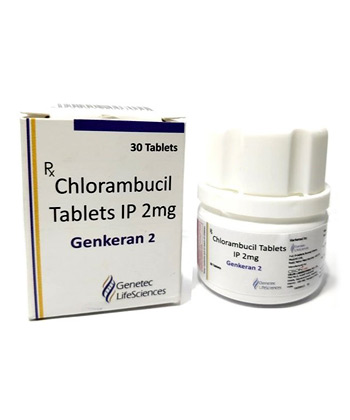
Chemotherapy remains one of the most common cancer treatments available in Canadian healthcare. These powerful medications work by interfering with cancer cell growth and division. Several chemotherapy drugs are widely available and prescribed by oncologists across Canada to treat various cancer types.
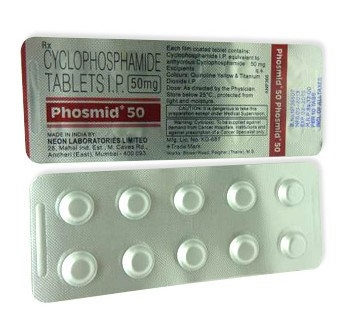
Popular chemotherapy medications include Methotrexate, which treats multiple cancer types including breast and leukemia; Cisplatin and Carboplatin, platinum-based drugs effective against ovarian, lung, and testicular cancers; and 5-Fluorouracil (5-FU), commonly used for colorectal and breast cancers. Doxorubicin, also known by brand names like Adriamycin, is another frequently prescribed option. Cyclophosphamide is used for various malignancies including lymphomas and breast cancer. Taxol (Paclitaxel) and Taxotere (Docetaxel) represent another important class of chemotherapy agents.
These medications target different phases of the cell cycle, preventing cancer cells from multiplying. Some drugs work by damaging cancer cell DNA, while others interfere with essential proteins. The specific selection depends on cancer type, stage, and patient health status.
Chemotherapy is typically administered in cycles, allowing the body to recover between treatments. Canadian cancer centres provide comprehensive support services including anti-nausea medications, nutritional counselling, and psychological support to help patients manage side effects.
Targeted therapy represents a significant advancement in cancer treatment, focusing on specific mutations or characteristics of cancer cells. These medications work differently from traditional chemotherapy, often with fewer side effects on healthy cells.
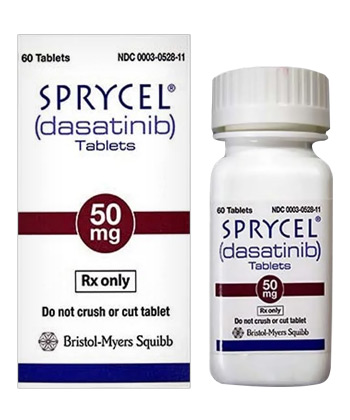
Tyrosine kinase inhibitors (TKIs) block signals that tell cancer cells to grow. Drugs like Gleevec (imatinib) revolutionized chronic myeloid leukemia treatment and are available throughout Canada. HER2-targeted therapy with Herceptin (trastuzumab) has dramatically improved outcomes for HER2-positive breast cancers. EGFR inhibitors such as Iressa (gefitinib) and Tarceva (erlotinib) target specific mutations in lung cancers.
Before starting targeted therapy, patients undergo genetic testing to identify specific mutations driving their cancer. This personalized approach ensures patients receive medications most likely to be effective. Canadian healthcare providers increasingly emphasize testing to identify these actionable mutations.
Major targeted therapy medications are covered through provincial health plans when appropriate clinical criteria are met. Patients work with their oncology teams to determine eligibility and access these advanced treatments.
Immunotherapy harnesses the body's immune system to fight cancer, representing one of the most promising developments in recent oncology. These medications help the immune system recognize and destroy cancer cells more effectively.
Medications like Opdivo (nivolumab) and Keytruda (pembrolizumab) block checkpoint proteins that cancer cells use to hide from the immune system. These drugs have shown remarkable results in melanoma, lung cancer, and other malignancies. Yervoy (ipilimumab) works through a different checkpoint mechanism and is often combined with other immunotherapies.
Rituxan (rituximab) targets B-cell lymphomas and certain leukemias. Avastin (bevacizumab) inhibits blood vessel formation, starving tumours of nutrients. These biological agents represent an important category of cancer medications available across Canadian hospitals and cancer centres.
This innovative approach involves modifying a patient's own immune cells to better recognize cancer. Kymriah (tisagenlecleucel) and Yescarta (axicabtagene ciloleucel) represent breakthrough treatments for certain blood cancers, available through specialized Canadian treatment centres.
Immunotherapy offers the potential for long-lasting responses and improved survival rates. However, these medications can trigger immune-related side effects requiring careful monitoring and management.
Certain cancers depend on hormones to grow, making hormone therapy an effective treatment strategy. These medications block hormone production or action, slowing or stopping cancer growth.
Tamoxifen remains a cornerstone treatment for hormone-receptor-positive breast cancer, blocking oestrogen effects on cancer cells. Aromatase inhibitors like Arimidex (anastrozole), Femara (letrozole), and Aromasin (exemestane) reduce oestrogen production in postmenopausal women. These medications are widely available and commonly prescribed across Canada.
Hormone therapy for prostate cancer involves blocking testosterone production or action. Medications like Casodex (bicalutamide) and Zoladex (goserelin) help control advanced prostate cancer progression.
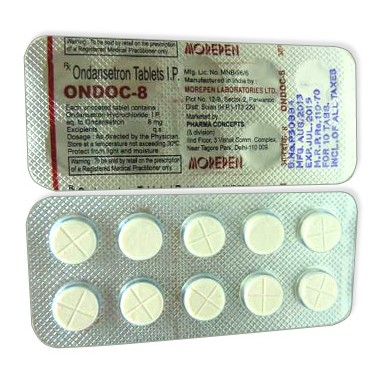
Beyond cancer-specific drugs, supportive medications help manage side effects and complications. Anti-nausea medications, pain relievers, antibiotics for infection prevention, and medications for managing low blood counts are essential components of comprehensive cancer care in Canada.
The Canadian healthcare system ensures cancer patients have access to essential medications through provincial health plans, hospital formularies, and specialized pharmacy services.
Most chemotherapy and immunotherapy medications are covered through provincial health insurance when prescribed by oncologists for approved indications. Newer targeted therapies may require prior approval based on clinical criteria and test results. Patients should discuss coverage details with their healthcare team and pharmacy.
Canadian cancer centres operate specialized pharmacies trained in handling hazardous chemotherapy drugs and providing patient education. These pharmacies offer medication counselling, side effect management strategies, and support resources. Patients can access these services at major hospitals and dedicated oncology facilities.
Pharmaceutical manufacturers offer patient assistance programs providing medications to eligible patients who face financial hardship. Canadian cancer organizations provide information about these programs and help patients navigate access options.
Effective cancer medication management requires close collaboration between oncologists, pharmacists, nurses, and patients. Regular monitoring ensures optimal treatment outcomes and early identification of side effects. Your pharmacy team remains available to answer questions about medications and provide ongoing support throughout your cancer journey.