Birth control refers to methods used to prevent pregnancy. There are many different types of birth control available in Canada, each with varying effectiveness rates and benefits. Choosing the right method depends on your personal health, lifestyle, and preferences.
Birth control works in different ways. Some methods prevent sperm from reaching an egg, while others prevent ovulation or change the uterine environment to make pregnancy unlikely. Hormonal methods like pills, patches, and rings use hormones to stop ovulation. Barrier methods like condoms and diaphragms physically block sperm. Long-acting methods like IUDs provide protection for several years without requiring daily action.
It's important to understand that no birth control method is 100% effective except abstinence. Effectiveness rates vary, and some methods work better than others. Talking with your healthcare provider helps you understand which option suits your needs best.
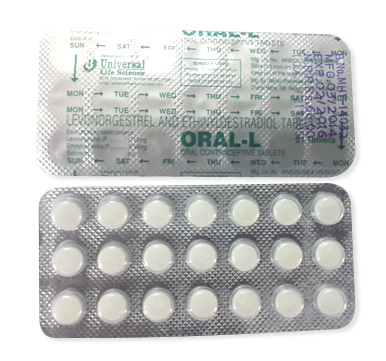
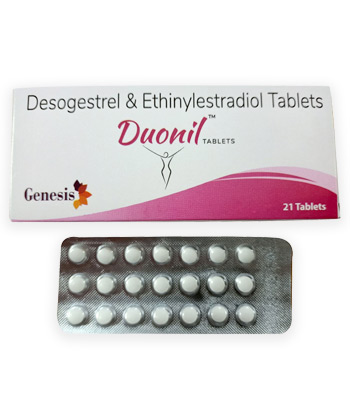
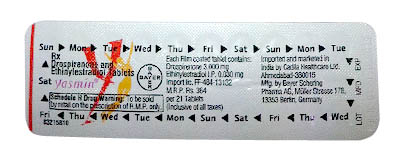
Birth control pills are one of the most popular forms of contraception in Canada. They contain hormones that prevent ovulation, making pregnancy unlikely. Pills must be taken daily at the same time for best results. Most come in a 21-day or 28-day pack, with some newer formulations offering extended cycles.
Common brands available in Canada include Yasmin, Yaz, Alesse, Marvelon, Ortho Cyclen, and Levora. Each pill contains different hormone combinations and doses. Some pills are specifically designed to reduce acne or minimize water retention and bloating.
The pill has several advantages beyond pregnancy prevention. Many users experience lighter periods, fewer period cramps, and clearer skin. Some pills can reduce symptoms of endometriosis and polycystic ovary syndrome. However, pills require daily compliance, and forgetting doses reduces effectiveness. Some women may experience side effects like nausea, headaches, or mood changes during the first few months.
Long-acting reversible contraception methods are highly effective options that don't require daily attention. These include intrauterine devices (IUDs) and implants, which provide protection for years while remaining reversible.
Intrauterine devices come in two types: hormonal and copper. Hormonal IUDs like Mirena, Kyleena, and Skyla release a small amount of hormone directly into the uterus. Copper IUDs like Paragard work by creating an environment toxic to sperm. IUDs are inserted by a healthcare provider during an office visit and can remain in place for 3 to 10 years depending on the type.
Subdermal implants like Nexplanon are small rods inserted under the arm skin. They release hormones continuously and provide protection for three years. Both IUDs and implants have effectiveness rates above 99%, making them among the most reliable contraception methods available.
These methods are ideal for people who want long-term protection without thinking about contraception daily. They're also suitable for those who cannot use hormonal pills. While there are minimal side effects for most users, some may experience irregular bleeding or cramping initially.
Barrier methods physically prevent sperm from reaching the egg and include condoms, diaphragms, and cervical caps. These methods offer the added benefit of protecting against sexually transmitted infections when used correctly.
Condoms are available in various materials including latex, polyurethane, and lambskin. They're affordable, widely available at pharmacies across Canada, and require no prescription. Male condoms are placed over the penis, while female condoms are inserted into the vagina before intercourse. Condoms are about 85% effective with typical use and 98% effective with perfect use.
Diaphragms and cervical caps must be fitted by a healthcare provider and used with spermicide to be most effective. They're less commonly used today but remain options for some people. These methods are 80–88% effective with typical use.
Other non-hormonal options include spermicides, which come as foams, gels, or films that kill sperm. The copper IUD is also a non-hormonal option for those who prefer to avoid hormones entirely. Spermicides alone are about 71% effective and work best when combined with other barrier methods.
Emergency contraception is used after unprotected intercourse to prevent pregnancy. In Canada, emergency contraception pills like Plan B One-Step and Norlevo are available over-the-counter at pharmacies without a prescription. These pills are most effective when taken within 24 hours of intercourse but can work up to 72 hours afterward.
Copper IUDs can also be used as emergency contraception if inserted by a healthcare provider within five days of unprotected intercourse. This option is extremely effective and can provide long-term contraception afterward.
The fertility awareness method involves tracking ovulation patterns to identify fertile days and avoid intercourse during those times. This requires careful monitoring and education but appeals to those preferring non-hormonal approaches. It's less reliable than other methods, with effectiveness rates around 76–88%.
Permanent options include tubal ligation for women and vasectomy for men. These surgical procedures are considered permanent contraception, though they can sometimes be reversed. They're suitable for those who have completed their families and are certain about not wanting future pregnancies.
Selecting the right birth control involves discussing your medical history, lifestyle, and preferences with a healthcare provider. Factors to consider include your health conditions, medications you take, frequency of sexual activity, and desire for hormonal versus non-hormonal options.
Many birth control methods are covered by provincial health plans or private insurance in Canada, though coverage varies. Speak with your pharmacist about costs and available assistance programs. Your pharmacist can answer questions about how to use methods correctly and what side effects to expect.
Proper use is essential for birth control effectiveness. For pills, take them at the same time daily. For barrier methods, use correctly every time. For IUDs and implants, attend all follow-up appointments. Keep track of your method's expiration date or replacement schedule.
Always use condoms to protect against sexually transmitted infections, even when using other birth control methods. Discuss any concerns or side effects with your healthcare provider. Birth control needs may change over time, so regular check-ins help ensure you're using the most suitable method for your current situation.