COVID-19 is a respiratory illness caused by the novel coronavirus (SARS-CoV-2). The virus spreads primarily through respiratory droplets when an infected person coughs, sneezes, or talks. Understanding the symptoms is crucial for early detection and treatment.
Fever, dry cough, and fatigue are the most frequently reported symptoms. Many people also experience loss of taste or smell, sore throat, headache, and muscle or body aches. Some individuals develop breathing difficulties or chest pain. Symptoms typically appear 2-14 days after exposure to the virus. While some people are asymptomatic, others may develop severe illness requiring hospitalization. Older adults and people with underlying medical conditions are at higher risk for severe COVID-19.
Contact your healthcare provider if you develop symptoms or have been exposed to someone with COVID-19. Seek emergency medical attention if you experience trouble breathing, persistent chest pain, confusion, or inability to wake or stay awake.
Vaccination remains the most effective way to prevent COVID-19 and reduce the severity of illness. Canada has approved several safe and effective vaccines to protect against COVID-19.
Pfizer-BioNTech, Moderna, and AstraZeneca vaccines are widely available across Canada. The Pfizer and Moderna vaccines use mRNA technology, while AstraZeneca uses a viral vector approach. Health Canada has also approved the Janssen (Johnson & Johnson) vaccine as a single-dose option. Each vaccine requires specific dosing schedules. Most people receive two doses, with some requiring boosters for continued protection. The Novavax protein-based vaccine is also available for eligible individuals.
Booster doses are recommended for enhanced protection, especially for vulnerable populations and seniors. Provincial health authorities provide guidance on booster eligibility and timing. Booster doses help maintain immunity as protection from initial vaccination may decrease over time.
Vaccination is free for all eligible Canadian residents at clinics, pharmacies, and healthcare facilities. No appointment is always necessary, though booking ahead is recommended. Healthcare professionals will discuss your medical history and answer any questions before vaccination.
Several antiviral medications have been approved in Canada to treat COVID-19, particularly for those at high risk of severe illness.
Paxlovid is an oral antiviral medication most effective when taken within five days of symptom onset. This treatment significantly reduces the risk of hospitalization and death in high-risk patients. It comes as a combination of three pills taken twice daily for five days. Side effects are generally mild and may include altered taste, diarrhea, or headache. Paxlovid works by inhibiting the virus's ability to replicate in the body.
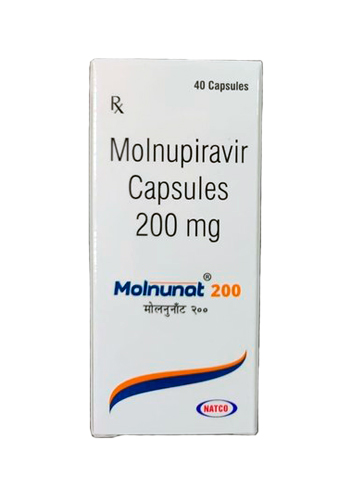
Molnupiravir is another oral antiviral option available for eligible patients. It is taken as four capsules twice daily for five days. This medication is particularly useful for patients who cannot take Paxlovid due to drug interactions. Molnupiravir helps reduce viral replication and can decrease symptom severity.
Remdesivir is an intravenous antiviral used for hospitalized patients with severe COVID-19. Healthcare providers may also recommend supportive care including rest, hydration, and over-the-counter medications for symptom relief. Eligibility for antiviral treatments depends on risk factors and timing of illness onset.
While waiting for recovery or alongside prescribed treatments, several over-the-counter medications can help manage COVID-19 symptoms.
Acetaminophen (Tylenol) and ibuprofen (Advil, Motrin) are effective for reducing fever and body aches. These medications can be purchased at any pharmacy without a prescription. Follow package directions for proper dosing. Do not exceed recommended daily limits. Some people alternate between acetaminophen and ibuprofen for better symptom control, though consult your pharmacist first.
Dextromethorphan (DM) helps suppress cough and is found in many cold medicines available at Canadian pharmacies. Guaifenesin helps thin mucus and clear congestion. Throat lozenges with honey or menthol can soothe a sore throat. Saline nasal drops help relieve nasal congestion. Cough syrups and lozenges are available in various formulations to suit individual preferences.
Stay hydrated by drinking plenty of water, herbal tea, and clear broths. Vitamin C supplements may support immune function, though they do not prevent COVID-19. Rest is essential for recovery. Use a humidifier to ease congestion and coughing. Monitor your symptoms and contact your healthcare provider if they worsen.
Regular testing helps identify COVID-19 infections and prevent transmission to vulnerable individuals.
Rapid antigen tests are available over-the-counter at Canadian pharmacies and are quick and convenient for home use. Molecular tests (PCR) are more accurate and available through healthcare facilities and some pharmacies. Saliva tests are non-invasive and available at testing centres. Test results are typically available within hours to days depending on the type.
Many Canadian pharmacies stock rapid test kits for home use. These tests are covered by some provincial health plans and private insurance. Instructions are included in each kit for proper administration. Store tests according to package directions to maintain accuracy.
Beyond vaccination and medication, several preventive measures help reduce COVID-19 transmission and protect long-term health.
Wash your hands regularly with soap and water for at least 20 seconds. Practice respiratory etiquette by covering your mouth and nose when coughing or sneezing. Maintain physical distance from others when sick. Wear a mask in healthcare settings or when in crowded indoor spaces, especially if immunocompromised. Ensure good ventilation in indoor spaces you frequent.
Some individuals experience long COVID, with symptoms persisting weeks or months after initial infection. Common long COVID symptoms include fatigue, brain fog, shortness of breath, and joint pain. Consult your healthcare provider if symptoms persist. Gradual return to normal activities is recommended. Physical rehabilitation may help restore strength and function.
Maintain regular contact with your healthcare provider. Report any unusual symptoms or concerns about your health. Keep vaccination records accessible. Stay informed about COVID-19 variants and updated public health recommendations. Consider travel insurance that covers COVID-19 if planning international trips.