Asthma is a chronic respiratory condition that affects millions of Canadians. The condition occurs when the airways in your lungs become inflamed and narrow, making it difficult to breathe. Understanding asthma is the first step toward managing it effectively and improving your quality of life.
The exact cause of asthma remains unclear, though it typically results from a combination of genetic and environmental factors. If your parents have asthma, you're more likely to develop it. Environmental triggers include allergens like pollen, dust mites, and pet dander, as well as air pollution, cold air, and respiratory infections. Occupational exposure to certain chemicals or irritants can also trigger asthma development.
Common symptoms include wheezing, shortness of breath, chest tightness, and coughing, particularly at night or during physical activity. Not everyone experiences the same symptoms, and some people may have only occasional symptoms while others deal with daily challenges. Severe asthma attacks require immediate medical attention.
Canada's pharmacy market offers various asthma medications designed to either prevent symptoms or provide relief during attacks. Understanding the differences between these medication types helps you use them properly.
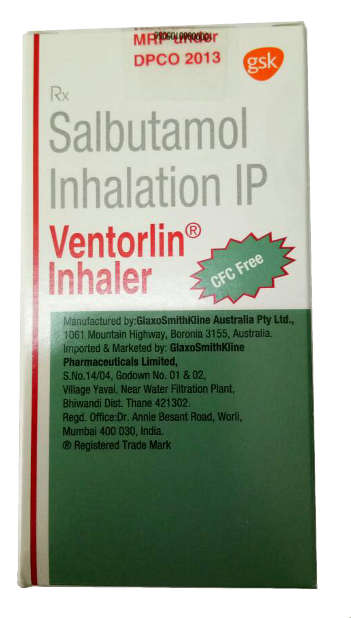
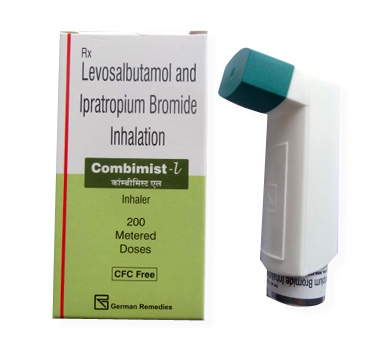
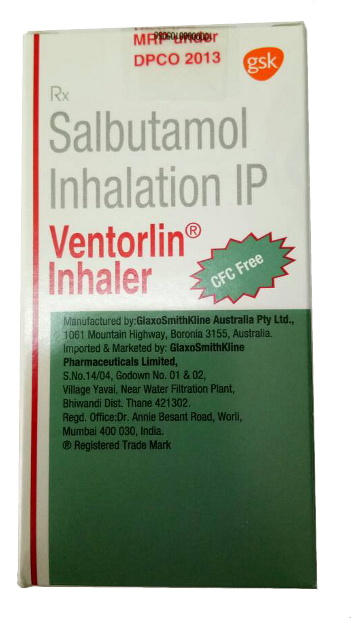
Rescue inhalers provide quick relief during asthma attacks. Salbutamol, marketed as Asmol and Ventolin in Canada, is the most commonly prescribed short-acting beta-2 agonist. These medications work within minutes to open airways and ease breathing. Terbutaline is another option available in Canada. Rescue inhalers are essential for anyone with asthma and should be carried at all times.
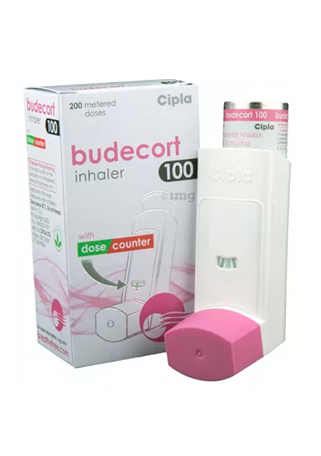
Controller medications prevent asthma symptoms from developing. Inhaled corticosteroids like fluticasone propionate (Flovent) and beclomethasone are popular choices in Canada. Combination inhalers containing both corticosteroids and long-acting beta-2 agonists, such as Seretide and Symbicort, provide both prevention and symptom management. These medications must be used regularly, even when feeling well.
For moderate to severe asthma, oral medications like montelukast (Singulair) block inflammatory chemicals in the airways. Biologic medications such as omalizumab (Xolair) and mepolizumab (Nucala) are available through Canadian pharmacies for severe allergic or eosinophilic asthma. These advanced treatments are typically prescribed by specialists.
Effective asthma management extends beyond taking medications. Developing healthy habits and identifying personal triggers significantly improves symptom control.
Keep an asthma diary to track when symptoms occur and what you were doing beforehand. Common triggers include exercise, allergens, weather changes, stress, and respiratory infections. Once identified, you can avoid or minimize exposure to these triggers. This personalized approach to trigger management is crucial for long-term control.
Using your inhaler correctly ensures medication reaches your lungs effectively. Many people don't use their inhalers properly, reducing medication effectiveness. Ask your pharmacist to demonstrate the correct technique. For children or those having difficulty, spacers and holding chambers make inhalation easier. Regular technique checks during pharmacy visits help maintain proper use.
Regular physical activity actually helps asthma, though exercise can be a trigger for some. Starting slowly and warming up prevents exercise-induced symptoms. Maintaining a healthy weight reduces asthma severity. Avoiding smoke, strong perfumes, and air pollution minimizes irritation. Adequate sleep and stress management also support overall asthma control.
Recognizing when asthma requires professional intervention is vital for your safety and health outcomes.
Visit your doctor regularly, even when feeling well. These appointments allow your healthcare provider to assess control and adjust medications if needed. Your pharmacist can also monitor your asthma management and suggest improvements. Annual check-ups help catch deteriorating control early.
Seek emergency care if you experience severe shortness of breath not relieved by rescue inhalers, blue lips or fingernails, inability to speak in full sentences, or panic and anxiety about breathing. These signs indicate a severe asthma attack requiring immediate medical attention. Don't wait or try managing alone during emergencies.
Work with your doctor to develop a written asthma action plan. This document outlines daily medication routines, trigger avoidance strategies, and step-by-step instructions for managing attacks. Share this plan with family, friends, and coworkers. Review and update it annually or when your asthma changes.
Asthma affects people differently depending on age and life circumstances. Tailored approaches ensure appropriate management for everyone.
Children with asthma need careful monitoring as their airways are smaller and more sensitive. Pediatric formulations and age-appropriate devices like spacers and nebulizers are available through Canadian pharmacies. Parents should educate children about their condition and ensure schools have emergency medications available. Most children with asthma can participate fully in sports and activities with proper management.
Some adults develop asthma later in life, sometimes triggered by occupational exposure. Workplace modifications and protective equipment may be necessary. Women may experience changes in asthma severity during pregnancy or hormonal cycles. Healthcare providers can adjust medications safely during these life stages while maintaining control.
Your local pharmacy plays an essential role in asthma management beyond simply dispensing medications. Canadian pharmacists are trained professionals who can provide comprehensive support throughout your asthma journey.
Canadian pharmacists can provide comprehensive asthma education, review your medication technique, and help identify potential medication interactions. Many provinces allow pharmacists to adjust asthma medications and provide smoking cessation support. These services improve medication adherence and symptom control. When visiting your pharmacy, don't hesitate to ask questions about your medications and management strategies.
Managing asthma effectively requires reliable access to medications. Available medication support options include:
Discuss coverage options with your pharmacist if cost concerns arise. Many pharmaceutical manufacturers offer patient assistance programs for expensive medications, ensuring access regardless of financial circumstances. Your pharmacy team can help navigate these options and find solutions that work for your budget.
Consistent medication use prevents asthma attacks and improves overall control. Ask your pharmacist about automatic refill programs to ensure you never run out of controller medications. Many pharmacies offer medication reminders via phone, text, or email. This support helps maintain regular use of prevention medications, reducing the likelihood of sudden attacks and emergency room visits.