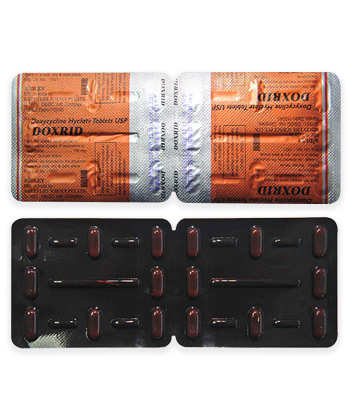
Antibiotics are powerful medications designed to fight bacterial infections by either killing bacteria or stopping their growth. These medications have revolutionized modern medicine since their discovery and remain essential tools in treating a wide range of health conditions. Antibiotics work through different mechanisms—some disrupt bacterial cell walls, while others interfere with protein synthesis or DNA replication.
There are several classes of antibiotics available in Canada, each targeting specific types of bacteria. Penicillins and cephalosporins are beta-lactam antibiotics commonly prescribed for various infections. Macrolides like azithromycin are often used for respiratory infections. Fluoroquinolones such as ciprofloxacin treat urinary tract and respiratory infections. Tetracyclines are effective against acne and certain systemic infections. Each class has unique properties and effectiveness against different bacterial strains.
Antibiotics are prescribed when bacterial infections require treatment. Common conditions include strep throat, urinary tract infections, pneumonia, skin infections, and ear infections. It's crucial to understand that antibiotics don't work against viral infections like the common cold or flu. Taking antibiotics only when prescribed by a healthcare provider helps prevent antibiotic resistance and ensures effective treatment.
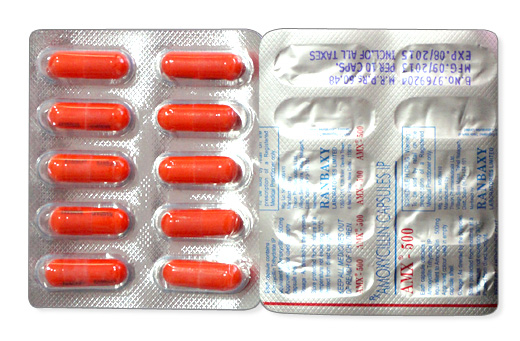
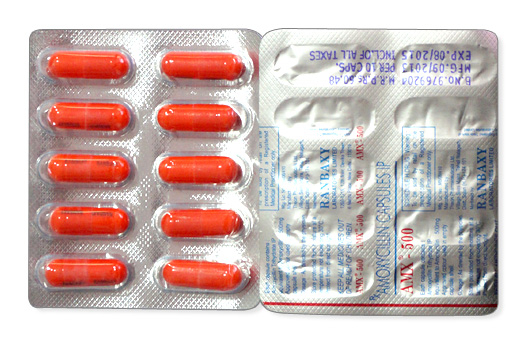
Amoxicillin is one of the most frequently prescribed antibiotics in Canada, used for ear infections, strep throat, and respiratory infections. Amoxicillin-clavulanate combines amoxicillin with clavulanic acid to overcome bacterial resistance. Penicillin V remains available for specific infections despite newer alternatives. These medications are generally well-tolerated with few side effects for most patients.
Azithromycin, commonly known by brand names, is widely available and used for respiratory infections, skin conditions, and sexually transmitted infections. Clarithromycin offers similar benefits and is often prescribed as an alternative. Erythromycin, an older macrolide, is still used in specific situations. These antibiotics are taken orally and are convenient for outpatient treatment.
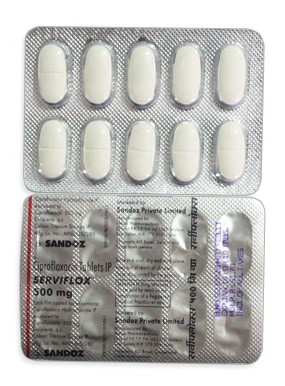
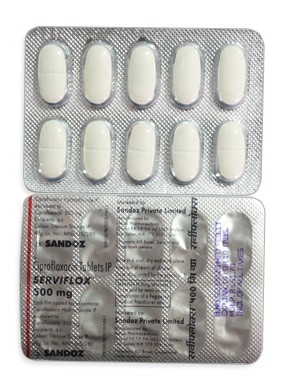
Ciprofloxacin is a broad-spectrum antibiotic used for urinary tract infections, respiratory infections, and certain digestive tract infections. Levofloxacin covers a wide range of bacterial infections and is often prescribed for pneumonia. Norfloxacin is typically used for urinary tract infections. These medications are potent but reserved for infections that don't respond to first-line treatments.
Always take antibiotics exactly as prescribed by your healthcare provider or pharmacist. Dosage varies depending on the type of antibiotic, the infection being treated, and individual factors like age and kidney function. Most antibiotics come with detailed instructions regarding frequency and duration of treatment. Never adjust your dosage without consulting your healthcare provider, as this can lead to treatment failure or resistance.
Some antibiotics should be taken with food to minimize stomach upset, while others are more effective on an empty stomach. Your pharmacist will provide specific guidance about whether to take your medication before or after meals. Consistent timing of doses helps maintain proper medication levels in your body. Setting alarms or using a pill organizer can help you remember to take your medication on schedule.
One of the most important aspects of antibiotic therapy is completing the entire prescribed course, even if you feel better after a few days. Stopping early allows surviving bacteria to multiply and develop resistance. Full treatment ensures complete elimination of the infection and reduces the risk of complications. Most antibiotic courses last between 7 and 14 days, depending on the infection type.
Most people tolerate antibiotics well, but mild side effects can occur. Gastrointestinal issues like nausea, diarrhea, and stomach upset are common with many antibiotics. Some people experience headaches, dizziness, or sensitivity to sunlight, particularly with fluoroquinolones. Skin rashes can develop, though they're usually not serious. These side effects often diminish as your body adjusts to the medication.
Some individuals may experience allergic reactions ranging from mild to severe. Allergic responses can include rashes, hives, itching, or difficulty breathing. Severe allergic reactions like anaphylaxis require immediate medical attention. If you have a known penicillin allergy, inform your healthcare provider before taking any antibiotic, as cross-reactivity with other beta-lactams is possible.
Antibiotics can interact with other medications, including birth control pills, blood thinners, and certain supplements. Always inform your pharmacist about all medications and supplements you're taking. Certain antibiotics aren't suitable for pregnant women, nursing mothers, or people with specific health conditions. Your pharmacist reviews potential interactions and alerts you to any concerns before dispensing your medication.
Antibiotic resistance occurs when bacteria evolve and survive despite antibiotic exposure. This serious public health concern develops when antibiotics are overused, misused, or taken incorrectly. Resistant bacteria spread easily and can cause infections that are difficult or impossible to treat with standard medications. Canada actively monitors antibiotic resistance patterns and encourages responsible use among healthcare providers and patients.
Taking antibiotics only when prescribed by a healthcare provider is crucial for preventing resistance. Never use leftover antibiotics from previous prescriptions or share your medication with others. Complete your full course even if you feel better. Don't request antibiotics for viral infections like colds or flu, as they're ineffective and contribute to resistance. By following these practices, you help preserve the effectiveness of these vital medications:
Healthcare systems in Canada are implementing stewardship programs to optimize antibiotic use. These programs educate healthcare providers about appropriate prescribing and help reduce unnecessary antibiotic use. Patients are encouraged to participate in this effort by asking questions about whether antibiotics are truly necessary and following their healthcare provider's guidance.
Contact your healthcare provider if you experience severe allergic reactions, severe diarrhea, or signs of a serious infection worsening rather than improving. If your symptoms don't improve after several days of treatment, notify your provider as the antibiotic may not be effective. Persistent or severe side effects warrant professional evaluation.
Some infections require follow-up appointments to ensure complete recovery. Your healthcare provider may want to recheck your condition or perform additional tests if the infection was serious. Never stop taking your antibiotic without professional guidance, even if symptoms completely resolve.
Your pharmacist is an excellent resource for questions about your medication. They can clarify dosage instructions, explain potential side effects, and identify drug interactions. Don't hesitate to ask about storage requirements or what to do if you miss a dose. Pharmacists often provide valuable counselling that helps ensure your treatment success and safety.