Antibacterial products are designed to eliminate or inhibit the growth of bacteria on skin, surfaces, and wounds. These products play a crucial role in preventing infections and maintaining hygiene in both personal care and medical settings. Antibacterial agents work by disrupting bacterial cell membranes, inhibiting protein synthesis, or interfering with bacterial DNA replication. They are commonly used for minor cuts, scrapes, burns, and general wound care.
Additionally, antibacterial products help reduce the risk of infection during minor surgical procedures or when handling contaminated materials. In Canada, antibacterial products are regulated by Health Canada to ensure safety and efficacy for consumers. Understanding when and how to use these products properly can significantly improve healing outcomes and prevent serious complications from minor injuries.
Topical antibacterial products are among the most popular forms available in Canadian pharmacies. Neosporin, containing neomycin, bacitracin, and polymyxin B, is widely available and recommended for minor cuts and wounds. Polysporin is another trusted brand that combines bacitracin and polymyxin B, making it effective for preventing infection while promoting healing.
These products are typically applied directly to cleaned wounds two to three times daily. Hydrogen peroxide and antibiotic ointments like mupirocin are also commonly stocked in Canadian pharmacies for more serious minor wounds. Bacitracin ointment alone is available as a cost-effective alternative for basic wound care. Most of these topical treatments are over-the-counter products, making them easily accessible to consumers without prescriptions.
They are particularly useful for families with children who frequently experience minor injuries. The ointment formulations create a protective barrier that prevents dirt and bacteria from entering the wound while keeping it moist for optimal healing.
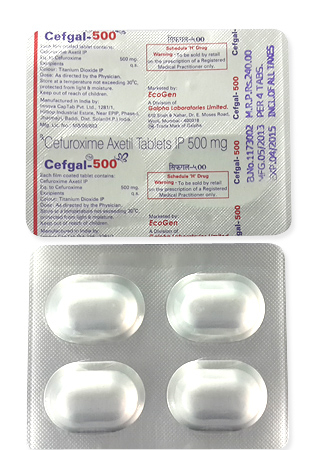
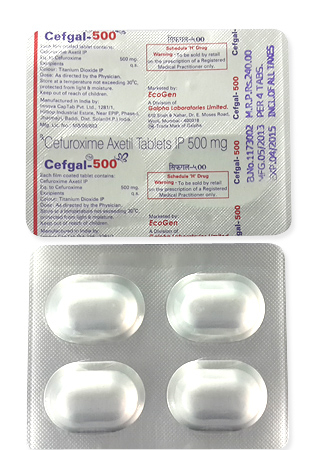
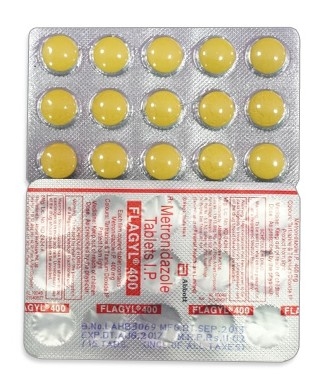
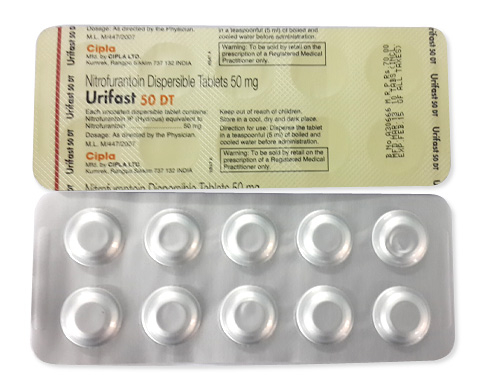
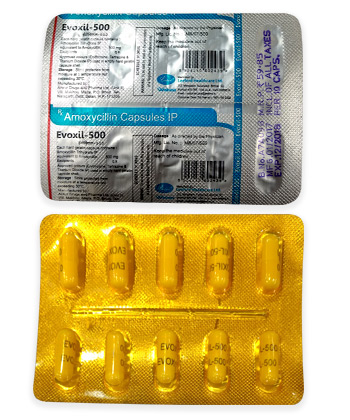
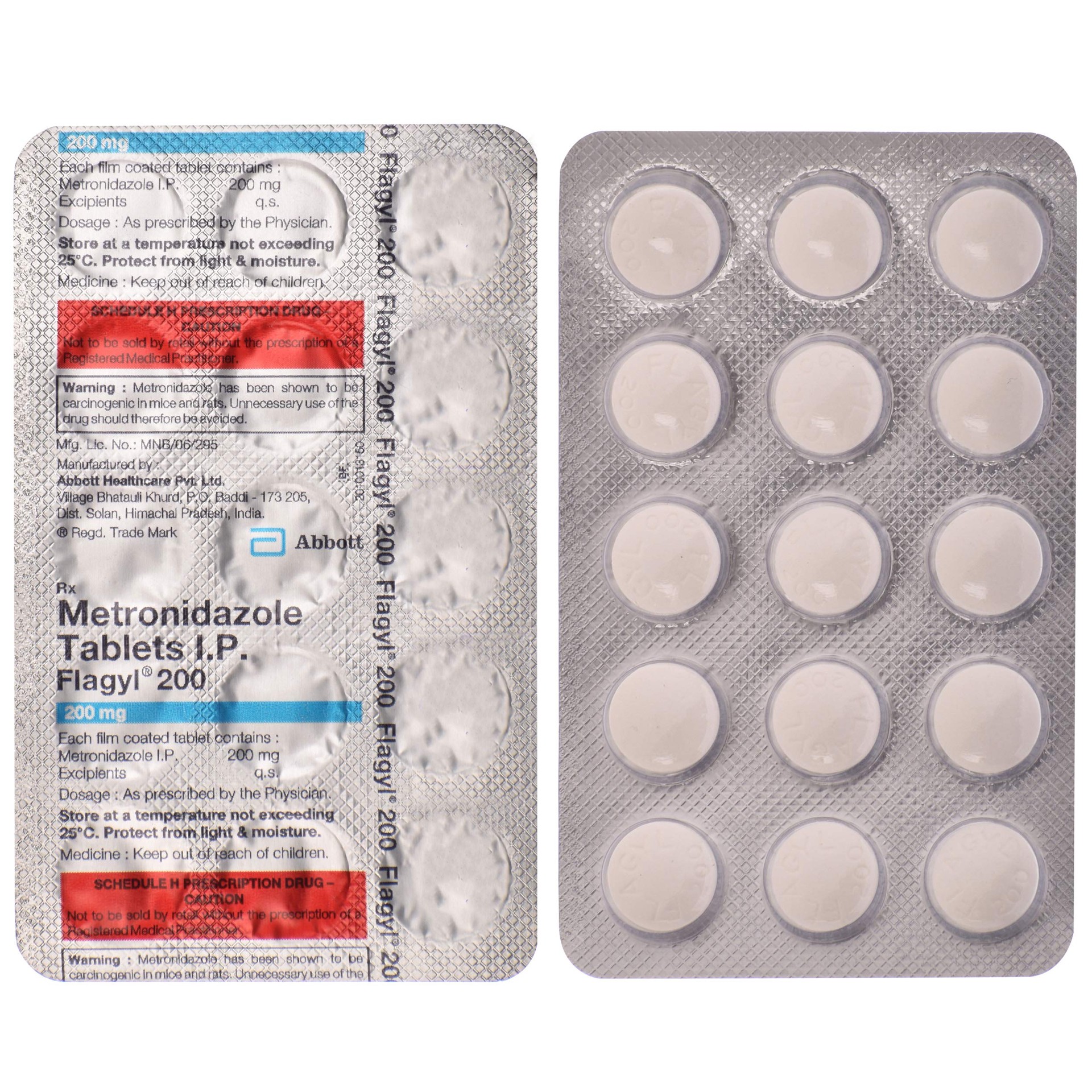
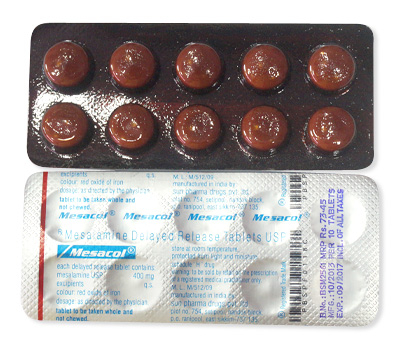
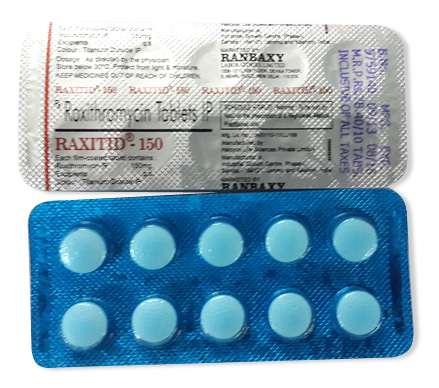
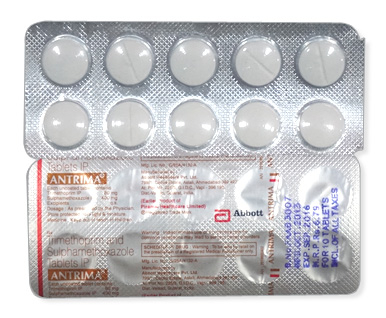
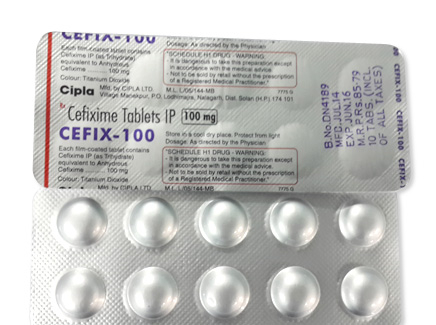
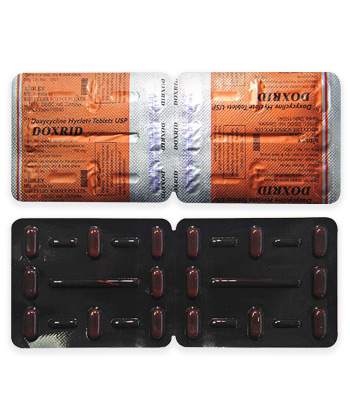
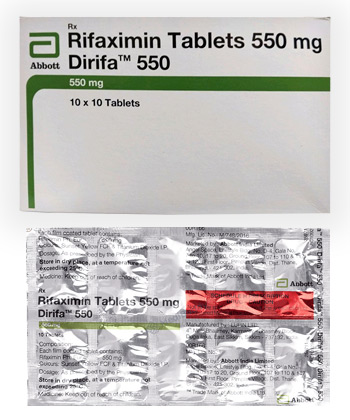
Oral antibacterial medications, commonly referred to as antibiotics, are prescribed for more serious bacterial infections that cannot be treated with topical applications. In Canada, popular oral antibiotics include:
These medications require a prescription from a healthcare provider and should be taken exactly as directed. It is essential to complete the full course of antibiotics even if symptoms improve, as stopping early can lead to antibiotic resistance. Health Canada regulates all oral antibiotics to ensure they meet safety and quality standards before being dispensed to patients.
Hand sanitizers and skin disinfectants are essential antibacterial products for preventing the spread of bacteria and viruses. Alcohol-based hand sanitizers containing at least 60 percent ethanol are highly effective for rapid disinfection when soap and water are unavailable. Popular brands in Canadian pharmacies include Purell, which is available in various formulations including gel, foam, and liquid options. Dettol is another well-known brand offering both liquid disinfectants and wipes for hand and surface cleaning.
These products are particularly important in healthcare settings, food preparation areas, and during times of heightened health concerns. Hand sanitizers are compact and portable, making them ideal for on-the-go use in purses, pockets, or vehicles. Many Canadian workplaces and schools stock hand sanitizers to promote employee and student health.
Skin disinfectants like chlorhexidine are used in medical settings to prepare skin before procedures. For sensitive skin, fragrance-free and moisturising formulations are available to prevent irritation and dryness from frequent use.
Specialised antibacterial wound care products are designed for more comprehensive healing and infection prevention. Antibiotic dressings containing silver ions, such as Aquacel Ag, are available in Canadian pharmacies for moderate to severe wounds. These advanced dressings release antimicrobial agents directly into the wound while maintaining optimal moisture levels.
Gauze pads impregnated with antiseptic solutions like iodine or chlorhexidine provide both physical protection and chemical antibacterial action. Hydrogel dressings combined with antibacterial agents offer soothing relief for burns and abrasions while preventing infection. Foam dressings with antimicrobial properties are ideal for wounds with moderate exudate.
Many of these products are available through Canadian pharmacies and are often recommended by healthcare professionals for post-operative care or chronic wounds. Proper wound care with appropriate antibacterial products significantly reduces infection risk and promotes faster healing. Pharmacists can provide guidance on selecting the right product based on wound type and severity.
Many Canadians seek natural antibacterial alternatives to conventional products. Tea tree oil is a popular natural option known for its antimicrobial properties, available in pure form or in products like soaps and creams. Honey-based wound dressings, including Manuka honey products, are increasingly available in Canadian pharmacies and have been shown to have antibacterial effects.
Calendula, derived from marigold flowers, is used in creams and salves for minor skin irritations and wounds. Colloidal silver products, while controversial, remain available in some Canadian health stores, though Health Canada has specific regulations regarding their use and claims. Zinc oxide is a natural mineral with antibacterial and protective properties commonly found in diaper rash creams and wound care products. Witch hazel offers mild antiseptic properties and is widely available in Canadian pharmacies.
While natural options can be beneficial, it is important to consult with a pharmacist or healthcare provider to ensure they are appropriate for your specific situation. Many people combine natural and conventional antibacterial products for optimal results in wound care and infection prevention.