Parasitic infections occur when unwanted organisms invade the body and cause illness. These tiny creatures can enter through contaminated food, water, insect bites, or skin contact. Common parasites include worms, protozoa, and arthropods that feed on the host's nutrients or blood. Symptoms vary widely depending on the parasite type and infection severity, and may include digestive issues, fatigue, skin irritation, and allergic reactions.
Parasitic infections are more common than many people realize and can affect anyone regardless of age or lifestyle. Early detection and proper treatment are essential to prevent complications. Antiparasitic medications work by disrupting the parasite's life cycle or eliminating it from the body. Understanding these infections helps you recognize symptoms and seek appropriate treatment promptly. Many parasitic diseases can be prevented through proper hygiene and food safety practices.
Internal parasites live within the digestive system or other body organs. Intestinal worms are the most common type and include roundworms, hookworms, and tapeworms. These parasites can cause malnutrition, anemia, and stunted growth in children. Protozoan infections like giardiasis and cryptosporidiosis affect the intestines and cause severe diarrhea.
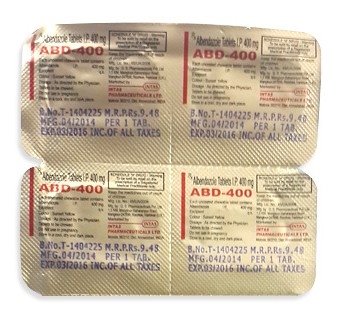
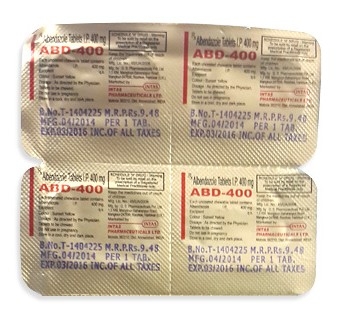
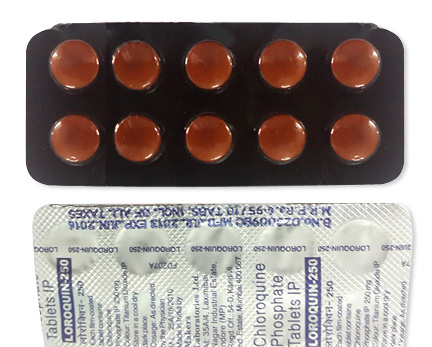
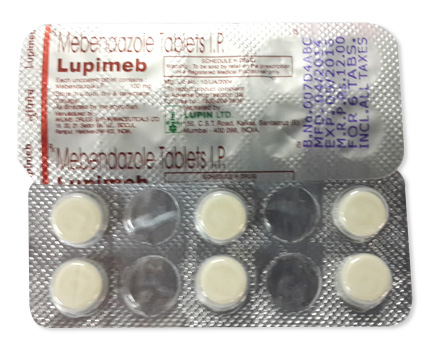
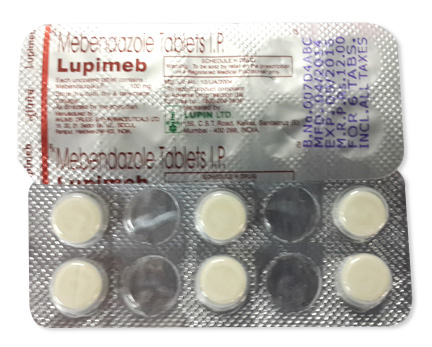
Treatment depends on identifying the specific parasite through laboratory testing. Common antiparasitic medications for internal infections include albendazole, mebendazole, and pyrantel pamoate. These medications paralyze or kill the parasites, allowing them to be expelled naturally. Courses typically last several days to a few weeks depending on the medication and infection type.
External parasites live on the skin's surface and include lice, scabies mites, and certain fleas. These conditions cause intense itching, skin lesions, and potential secondary infections. Head lice commonly affect children and spread through direct contact. Scabies causes burrows beneath the skin and severe itching, especially at night.
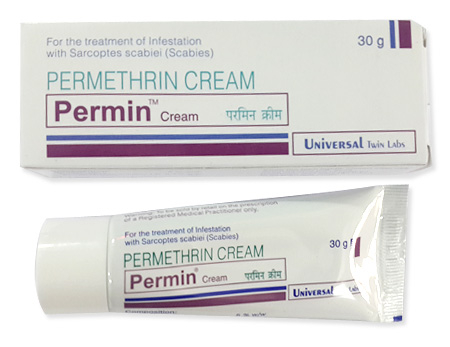
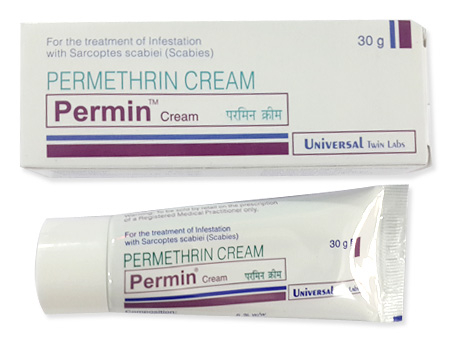
Treatment includes topical creams and lotions like permethrin and ivermectin. Oral antiparasitic medications may be prescribed for severe or widespread infestations. Personal items and bedding require thorough cleaning to prevent reinfection and transmission to others.
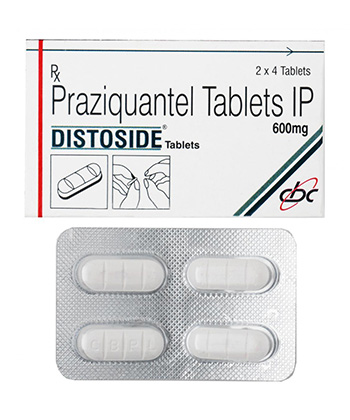
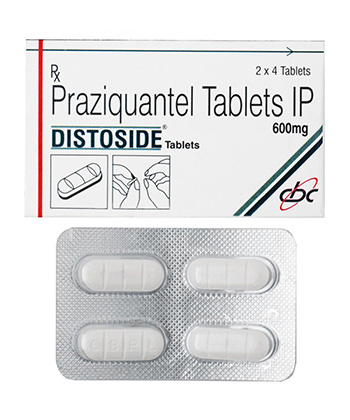
Albendazole is widely prescribed in Canada for various worm infections. It effectively treats hookworms, roundworms, whipworms, and tapeworms. The medication works by inhibiting glucose uptake in parasites, causing their death. Mebendazole is another popular prescription option that treats similar parasitic infections. Metronidazole is commonly used for protozoal infections like giardiasis and trichomoniasis. Praziquantel targets tapeworms and flukes with high effectiveness.
Ivermectin, available in both oral and topical forms, treats head lice, scabies, and certain roundworms. Pyrantel pamoate is often recommended for hookworm and roundworm infections in both adults and children. Most prescription antiparasitics require a doctor's consultation and proper dosing instructions.
Pyrethrin-based products are available without prescription for treating head lice and certain external parasites. These natural insecticides are derived from chrysanthemum flowers and are generally safe for families. Permethrin cream rinse is sold over-the-counter for lice treatment and can be applied at home. Sulfur ointments are available for scabies treatment, particularly for sensitive individuals or pregnant women.
While over-the-counter options provide convenience, they may be less effective for severe infestations. Consulting a pharmacist helps determine if over-the-counter treatment is appropriate for your situation. Some infections still require prescription-strength medications for adequate treatment.
Contaminated food and water are primary transmission routes for many parasitic infections. Travelling to tropical or developing countries increases exposure risk significantly. Poor sanitation conditions create ideal environments for parasites to thrive and spread. Direct contact with infected individuals can transmit certain parasites like head lice and scabies. Insect bites from mosquitoes, flies, and fleas can introduce parasites into the bloodstream.
Swimming in contaminated bodies of water exposes skin and mucous membranes to parasites. Walking barefoot in soil containing hookworm larvae poses infection risks in endemic areas.
Protecting yourself and your family from parasitic infections involves several important practices:
Unexplained digestive symptoms like chronic diarrhea, constipation, or abdominal pain warrant medical evaluation. Persistent fatigue and weakness despite adequate rest may indicate parasitic infection. Unexplained weight loss combined with appetite changes suggests possible parasitic activity. Itching, rashes, and skin lesions that don't respond to standard treatments need investigation.
Anemia symptoms including pale skin, shortness of breath, and dizziness can result from parasitic infections. Allergic reactions like hives, swelling, and difficulty breathing require immediate attention. Neurological symptoms including headaches, dizziness, or muscle pain may indicate systemic parasitic infection.
Contact your healthcare provider if symptoms persist despite over-the-counter treatment attempts. Severe symptoms like high fever, bloody stools, or severe dehydration require urgent medical care. Pregnant or breastfeeding women need specialized consultation before starting antiparasitic treatment. Children showing signs of parasitic infection should receive professional medical evaluation.
Individuals taking multiple medications need pharmacist guidance to prevent drug interactions. Immunocompromised patients require careful assessment before antiparasitic therapy. If you suspect parasitic infection after international travel, seek medical attention promptly.
Always follow prescribed dosing instructions exactly as directed by your healthcare provider. Complete the full course of treatment even if symptoms improve before completion. Taking medication with food or on an empty stomach may affect absorption. Most antiparasitic medications require a single dose or short treatment course spanning days.
Some infections need repeated doses at specific intervals to eliminate all parasites and eggs. Children's dosing differs from adult requirements based on body weight and age. Recording medication times helps ensure consistent adherence to treatment schedules.
Common side effects include nausea, vomiting, abdominal cramping, and headaches. Allergic reactions like rashes or difficulty breathing require immediate medical attention. Certain antiparasitics interact with medications like warfarin, cimetidine, and some antifungals. Alcohol consumption may increase side effects or reduce medication effectiveness.
Informing your pharmacist about all medications prevents potential dangerous interactions. Most side effects are mild and temporary, subsiding after treatment completion. Persistent or severe side effects warrant contact with your healthcare provider for reassessment.