Hydroxychloroquine
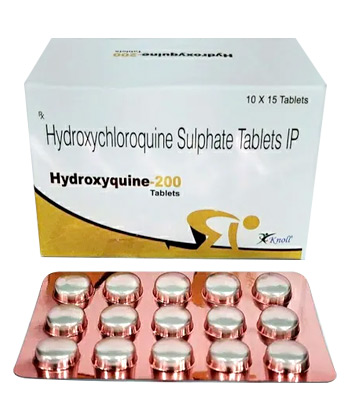
Hydroxychloroquine
- Hydroxychloroquine is sold under brand names such as Plaquenil and APO-Hydroxychloroquine, and it is a prescription-only medicine in Canada and most other jurisdictions; however, some pharmacies may be able to supply it without a receipt after an appropriate assessment.
- Hydroxychloroquine is used to treat and help prevent malaria, and it is also used long term for autoimmune conditions such as rheumatoid arthritis and systemic lupus erythematosus. It is a 4-aminoquinoline antimalarial that works by interfering with parasite metabolism and by modulating immune activity.
- The usual dose depends on the condition: for malaria treatment, 800 mg initially, then 400 mg at 6, 24, and 48 hours; for malaria prevention, 400 mg once weekly starting 1 to 2 weeks before travel; for rheumatoid arthritis or lupus, 200 to 400 mg daily.
- The form of administration is an oral tablet, usually 200 mg, taken by mouth.
- Hydroxychloroquine does not work immediately; for malaria it may begin to help within hours to days, while for rheumatoid arthritis or lupus it may take several weeks before full benefit is noticed.
- The duration of action is about 1 week for malaria prophylaxis when taken weekly, while its anti-inflammatory benefit in chronic autoimmune disease lasts with ongoing daily use and may persist for some time because the drug has a long half-life.
- Alcohol is best avoided or kept to a minimum, especially if you have stomach irritation, liver disease, or are taking other medicines that can affect the liver or stomach.
- The most common side effects are nausea, vomiting, diarrhoea, abdominal pain, loss of appetite, skin rash, and itching; more serious risks with longer use include eye problems such as retinopathy.
- Would you like to try hydroxychloroquine without a prescription?
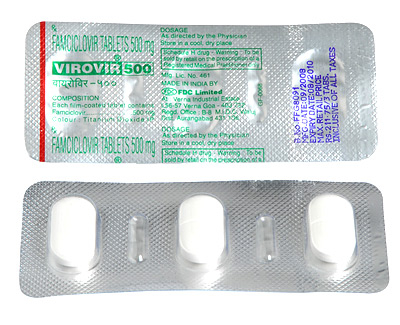



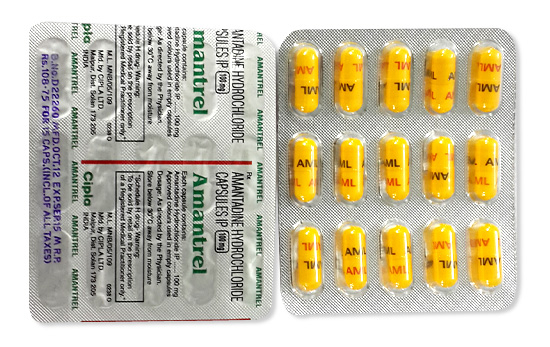
Basic Hydroxychloroquine Information
- INN (International Nonproprietary Name): Hydroxychloroquine
- Brand names available in Canada (English): Plaquenil; APO-Hydroxychloroquine
- ATC Code: P01BA02
- Forms & dosages: Tablet, 200 mg; no creams or injectables commercially available for this molecule
- Manufacturers in Canada (English): Sanofi-Aventis Canada Inc.; Apotex
- Registration status in Canada (English): Marketed; DIN 02017709; prescription only
- OTC / Rx classification: Prescription-only (Rx)
Everyday Use & Best Practices
Morning Vs Evening Dosing In Canadian Routines
Missing a dose usually happens on busy days, not because the medicine is complicated.
Hydroxychloroquine works best when it becomes part of the same daily routine, whether that is breakfast in Toronto, a late supper in Calgary, or a quiet evening dose after the kids are in bed.
It can be taken with or without food, so the main goal is consistency rather than a perfect clock time.
A few simple habits help Canadian patients stay on track.
- Take hydroxychloroquine at the same time every day.
- Set an alarm on your phone or smart watch.
- Use a pill organiser for weekly routines.
- Ask about pharmacy blister packs if you prefer date-marked doses.
- Shift workers can link the dose to a fixed event, such as brushing teeth before bed.
- Travellers crossing time zones in Canada should keep the interval between doses steady rather than chasing the clock exactly.
Caregivers managing several medicines for a parent or child often find a written medication list helpful, especially when appointments and school pickups make the day unpredictable.
Taking With Or Without Meals (Canadian Diet Context)
The tablet form is the hydroxychloroquine sulfate tablet, commonly hydroxychloroquine 200mg, and the Canadian product is Plaquenil with a 200 mg strength.
Food is not required, but taking the dose with a meal or a glass of milk may ease stomach upset.
That can be as simple as taking it with oatmeal at breakfast, a sandwich at lunch, or soup and toast at supper.
Keep the tablets in the original package, away from moisture and direct light, and store them at room temperature.
If bilingual labels help in Quebec or another bilingual setting, ask the pharmacy team to review the label details so the directions stay clear.
Safety Priorities
Who Should Avoid It (Health Canada Advisories)
In Canada, hydroxychloroquine is prescription only and is marketed as Plaquenil under DIN 02017709.
That matters because the medicine needs pharmacist review and ongoing monitoring, especially when other health issues are present.
People with hypersensitivity to hydroxychloroquine or related 4-aminoquinoline compounds should avoid it.
It is also not appropriate with pre-existing retinopathy, in children under 6 years for the tablet form, or in severe liver or kidney impairment when the prescriber judges the risk to be too high.
Extra caution is needed with psoriasis, porphyria, G6PD deficiency, cardiac conduction disorders, QT prolongation risk, and in older adults.
| Avoid | Use Caution | Monitoring Needed |
|---|---|---|
| Known hypersensitivity | Psoriasis or porphyria | Eye checks for chronic use |
| Pre-existing retinopathy | G6PD deficiency | Heart rhythm review if QT risk |
| Children under 6 years, tablet form | Older adults | Kidney and liver follow-up |
| Severe renal or hepatic impairment | Other QT-prolonging drugs | Ongoing pharmacist review |
Activities To Limit (Driving, Workplace Safety)
Dizziness, blurred vision, and fatigue are the main reasons to be cautious with driving or any safety-sensitive work.
That applies to machine operators, nursing staff on night shifts, warehouse workers, students heading to class after a dose, and parents managing school runs in winter traffic.
If vision seems off, or if tiredness feels different from usual, it is safer to avoid driving until the effect is clear.
Any new visual disturbance should be reported promptly because eye safety is a key part of hydroxychloroquine monitoring.
Dosage & Adjustments
General Regimen (DIN References)
Canadian prescriptions are adjusted by diagnosis, response, and tolerability, so the exact hydroxychloroquine dose can differ from person to person.
For rheumatoid arthritis, the usual adult range is 200 to 400 mg daily, taken once or divided.
For lupus, the typical adult range is also 200 to 400 mg daily.
For malaria, treatment and prophylaxis follow protocol-based schedules, including 800 mg then 400 mg at 6, 24, and 48 hours for treatment, or 400 mg weekly for prophylaxis starting 1 to 2 weeks before travel.
| Condition | Typical Adult Regimen | Notes |
|---|---|---|
| Rheumatoid arthritis | 200 to 400 mg daily | May be once daily or split |
| Lupus | 200 to 400 mg daily | Often long-term |
| Malaria treatment | 800 mg, then 400 mg at 6, 24, and 48 hours | Total 2 g |
| Malaria prophylaxis | 400 mg weekly | Start 1 to 2 weeks before travel |
The Canadian product is Plaquenil, DIN 02017709, which helps pharmacies identify the exact hydroxychloroquine 200mg product when discussing refills or supply issues.
Special Cases (Elderly, Comorbidities)
Older adults often start lower and are monitored more closely because side effects are more likely with age.
Kidney disease, liver disease, and severe infection can all change how the medicine behaves in the body.
Children need weight-based dosing only, and that is strictly specialist-led.
Long-term autoimmune treatment may continue for years, so follow-up does not end after the first prescription.
If a dose is missed, take it as soon as remembered unless the next dose is close.
Do not double up.
An overdose is a medical emergency and can involve headache, drowsiness, visual disturbances, arrhythmias, convulsions, and low potassium.
Patient Experiences In Canada
Positive Reports From Canadian Patients
Many Canadian patients describe hydroxychloroquine as easier to live with once it becomes part of a steady routine.
For some people with lupus or rheumatoid arthritis, the biggest benefit is fewer flare-ups over time, not a dramatic overnight change.
Pharmacy counselling is often mentioned as the part that makes the difference, especially when the dose schedule or eye monitoring has to fit around work, family, and winter travel.
Response still varies, so a good experience for one patient does not guarantee the same result for another.
Common Challenges In Forums (Reddit Canada, Health Boards)
Online discussions are anecdotal, but they often point to the same concerns.
- Nausea or stomach upset when starting Plaquenil.
- Waiting longer than expected for symptom improvement.
- Keeping eye-monitoring appointments on schedule.
- Confusion about brand names versus generic hydroxychloroquine.
Those posts can be useful for real-world context, but they are not a substitute for medical advice or monitoring.
Buying Guide
Pharmacy Sources (Shoppers, Rexall, Jean Coutu, London Drugs)
In Canada, hydroxychloroquine is usually filled with a prescription at major chains or independent pharmacies.
Availability can vary by province, city size, and supply chain conditions, so a refill may be easy in one region and slower in another.
Bilingual labelling is common in Quebec and in many bilingual regions, and it helps when the patient is managing several medicines.
In our online pharmacy, hydroxychloroquine is available without a prescription, with discreet delivery to Canada (English) in 5-14 days.
- Bring your prescription or medication details.
- Know the brand or DIN if possible.
- Share all other medicines and supplements.
- Ask about eye-monitoring reminders.
- Confirm whether bilingual labels are needed.
Price Comparison (In-Store Vs Online, Cross-Border Notes)
Canadian patients often compare in-store dispensing, online refill portals, and mail delivery when looking at hydroxychloroquine price and convenience.
Some people also compare U.S. pricing, but cross-border purchasing can raise legal, safety, and labelling issues.
Drug coverage may come from Ontario Drug Benefit, BC PharmaCare, RAMQ, or private insurance, so the final price depends on the plan as much as the pharmacy.
It is worth checking the exact product name and DIN because coverage can hinge on that detail.
What’s Inside & How It Works
Ingredients Overview
The INN is hydroxychloroquine, and the common Canadian brand is Plaquenil.
Canadian tablets are 200 mg film-coated tablets, and there are no commercial creams or injectables for this molecule.
Travellers may see other packaging names such as Quinoric or Axokine, but the active ingredient remains hydroxychloroquine sulfate.
Mechanism Basics
Hydroxychloroquine is an antimalarial medicine that is also used in autoimmune disease management.
At a practical level, it affects immune activity and parasite survival, which is why it has a role in lupus, rheumatoid arthritis, and malaria.
| What It Treats | How It Works |
|---|---|
| Malaria | Interferes with parasite survival |
| Lupus and RA | Modulates immune activity |
Main Indications
Approved Uses In Canada
Hydroxychloroquine is marketed in Canada and prescribed for approved indications such as malaria-related uses and chronic autoimmune conditions based on clinician judgment.
Prescribing follows Canadian medical standards and provincial formularies, and the medicine remains prescription only worldwide.
For chronic disease, it is often part of a broader treatment plan rather than the only therapy.
Off-Label Uses By Canadian Physicians
Off-label use can occur when evidence, monitoring, and a clear diagnosis support it.
| Approved Uses | Off-Label Uses | Reminder |
|---|---|---|
| Malaria treatment and prophylaxis | Specialist-directed uses | Do not self-start from internet advice |
| Lupus | Only when evidence supports it | Imported packaging still needs review |
| Rheumatoid arthritis | Case-by-case decisions | Pharmacist counselling remains important |
Interaction Warnings
Food Interactions (Alcohol, Caffeine)
Food can help with stomach tolerance, so some people take the tablet with breakfast or supper to make it easier to remember.
Alcohol may worsen dizziness or stomach upset in some patients.
Caffeine does not have a universal rule attached to it, but some people feel more jittery or nauseated when they mix stimulant drinks with medicines that already upset the stomach.
- Take it with food if that improves tolerance.
- Keep the routine the same day to day.
- Limit alcohol if dizziness or nausea is a problem.
- Be cautious with energy drinks or strong coffee if they worsen symptoms.
Drug Conflicts (Health Canada Drug Product Database)
The biggest interaction concern is with other medicines that can affect heart rhythm, especially QT-prolonging drugs.
Other medicines that raise toxicity risk also deserve review.
That is why every prescription, over-the-counter product, and supplement should be checked by a pharmacist.
The Health Canada Drug Product Database is useful for product identification, but the practical safeguard is still a direct pharmacist review of the full medication list.
Latest Evidence & Insights
Canadian And International Research
Hydroxychloroquine remains established for certain autoimmune and antimalarial uses, but it is not a cure-all.
Current evidence supports careful dosing and regular eye monitoring for chronic users because retinopathy can be serious and sometimes irreversible.
That is why routine use is based on symptoms, diagnosis, and follow-up rather than social media claims or one-size-fits-all advice.
What The Evidence Means For Patients
The practical takeaway is simple: benefits may take time, and monitoring is part of the treatment plan.
Some people notice improvement gradually rather than immediately, especially in lupus or rheumatoid arthritis.
| Supported Uses | Monitoring Needed | Not Supported By Strong Evidence |
|---|---|---|
| Malaria-related use | Eye monitoring for chronic use | Self-treatment without assessment |
| Lupus | Kidney, liver, and heart review when relevant | Internet-led dosing changes |
| Rheumatoid arthritis | Follow-up for side effects and response | Assuming immediate results |
Alternative Choices
Comparable Medicines With Pros/Cons Checklist
When hydroxychloroquine is not the best fit, Canadian clinicians may consider other options depending on the diagnosis.
- Chloroquine: similar class, but not the same tolerability profile.
- Methotrexate: common for RA and SLE, with different monitoring needs.
- Azathioprine: useful in some autoimmune settings, especially when specialist supervision is in place.
- Mycophenolate mofetil: often used when stronger immunosuppression is needed.
- Biologic DMARDs: targeted options for certain RA or SLE cases, with their own access and monitoring requirements.
- Artemisinin-based combination therapies: used for malaria treatment in appropriate settings.
When An Alternative May Be Better
The best choice depends on diagnosis, pregnancy planning, eye health, heart risk, and how the patient has responded to past treatment.
That is why switching medicine should be a specialist decision rather than a guess based on price alone.
Regulation Snapshot
Health Canada Approval And DIN Requirements
Hydroxychloroquine is prescription only in Canada, and Plaquenil is marketed with DIN 02017709.
Pharmacy dispensing, refills, and insurance claims rely on matching the correct DIN and brand.
Provincial coverage can change the final cost, so patients should check whether the exact product is covered before ordering.
Canadian Buying Realities
Patients can order through licensed Canadian pharmacies online or pick up in store, depending on what is prescribed and stocked.
Cross-border U.S. comparisons can be tempting, but Canadian labelling and approval matter for safety and legal reasons.
FAQ
Common Questions From Canadian Patients
Can I take hydroxychloroquine with food? Yes, and many people do because it can help with stomach upset.
How long before it starts working for lupus or RA? It may take time, so benefits are often gradual rather than immediate.
Do I need eye exams in Canada? Yes, routine ophthalmological monitoring is recommended for chronic users.
What if my pharmacy is out of stock? Ask the pharmacy team about ordering, transfer options, or another licensed source before missing doses.
Guidelines For Proper Use
Canadian Pharmacist And Provincial Health Authority Recommendations
Daily use works best when the dose is tied to a fixed routine, such as breakfast, supper, or bedtime.
A pill box, early refill planning, and a current medication list can prevent missed doses and reduce confusion at the pharmacy.
Hydroxychloroquine should be stored at room temperature, protected from moisture and light, and kept in the original packaging out of reach of children.
Pharmacists in Canada commonly reinforce a few practical points: do not double doses, report vision changes, keep appointments, and tell every clinician that you take hydroxychloroquine 200mg.
Monitoring And Follow-Up Habits
Chronic users should keep routine eye appointments, and people with kidney, liver, or heart risk factors may need additional lab or clinical follow-up.
Rural patients and seasonal travellers should plan refills early because weather and distance can delay access.
- Each month: check that tablets are stored properly and that the routine still works.
- Each refill: confirm the brand, DIN, and tablet strength.
- Each visit: mention new medicines, blurred vision, or heart-related symptoms.
- Before travel: arrange enough tablets for the trip plus a small buffer.
- Anytime: seek urgent help for overdose symptoms or severe vision changes.
Delivery Across Canada (English)
| City | Region | Delivery Time |
|---|---|---|
| Toronto | Ontario | 5-7 days |
| Ottawa | Ontario | 5-7 days |
| Hamilton | Ontario | 5-9 days |
| Montreal | Quebec | 5-7 days |
| Quebec City | Quebec | 5-7 days |
| Calgary | Alberta | 5-7 days |
| Edmonton | Alberta | 5-7 days |
| Vancouver | British Columbia | 5-7 days |
| Victoria | British Columbia | 5-9 days |
| Winnipeg | Manitoba | 5-7 days |
| Halifax | Nova Scotia | 5-7 days |
| St. John’s | Newfoundland and Labrador | 5-9 days |
| Saskatoon | Saskatchewan | 5-9 days |
| Regina | Saskatchewan | 5-9 days |
| London | Ontario | 5-9 days |