Acyclovir Cream
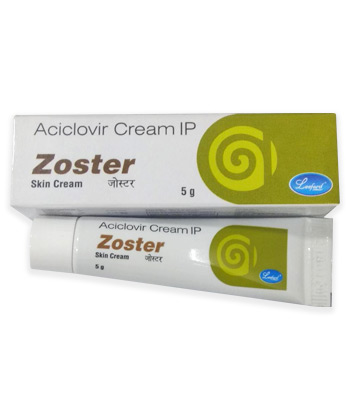
Acyclovir Cream
- In our pharmacy you can buy acyclovir cream without a prescription, available OTC in select stores and online with delivery across Canada; discreet packaging and home delivery options are available.
- Acyclovir cream is used to treat herpes labialis (cold sores) and as a topical adjunct for genital herpes; it is a guanosine‑analogue antiviral that inhibits viral DNA polymerase, blocking herpes simplex virus replication.
- The usual dosage for the 5% cream is to apply to the affected area five times daily, starting at the first sign of symptoms; typical course for cold sores is 4–5 days and for genital lesions 5–10 days.
- The form of administration is topical application (cream or ointment to the skin); tablets, suspension and injectable forms exist for systemic use but are not for topical application.
- Onset time: when started at the prodromal stage it begins to reduce viral replication immediately and patients commonly notice symptomatic improvement within 24–48 hours.
- Duration of action: each application provides local antiviral effect for roughly 4–6 hours (hence dosing about five times daily); the full treatment course typically lasts 4–10 days depending on the indication.
- Alcohol warning: there is no specific interaction between topical acyclovir and alcohol; avoid applying alcohol‑based skin products to the treated area and do not ingest the cream.
- The most common side effec is local irritation such as burning or stinging; other frequent local reactions include mild dryness, flaking, itching and transient redness; systemic adverse effects are rare with proper topical use.
- Would you like to try “acyclovir cream” without a prescription?
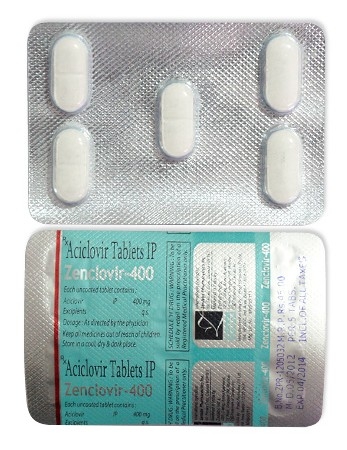
Basic Acyclovir Cream Information
- INN (International Nonproprietary Name): Aciclovir (also spelled Acyclovir in some references).
- Brand Names Available In Canada (English): Zovirax 5% cream (GlaxoSmithKline) and generics from major manufacturers such as Teva and Actavis are listed in the product data; local availability by brand can vary by pharmacy.
- ATC Code: D06BB03.
- Forms & Dosages: Cream 5% (50 mg/g) commonly in 2 g, 5 g and 10 g tubes; ointment 5% in 3 g, 5 g and 10 g tubes; oral tablets and other forms exist but are for systemic use.
- Manufacturers In Canada (English): Not specified in the provided product data.
- Registration Status In Canada (English): Not specified in the provided product data; registration and prescription status can vary by product and brand.
- OTC / Rx Classification: Generally prescription-only for topical 5% cream in developed markets, though select brands in some countries have been reclassified OTC for short-term cold sore use.
Important Practical Instructions & Quick Warnings For Canadian Patients
- Read the product label and any pharmacy-provided Patient Medication Leaflet (bilingual English/French where available).
- Look up the product’s Drug Identification Number (DIN) with your pharmacist or at Health Canada’s Drug Product Database before buying or using.
- Use acyclovir (aciclovir) 5% cream at the first tingle or prodrome for cold sores because topical benefit is time-sensitive.
- Apply only to intact skin and avoid eyes, mouth mucosa and open wounds.
- Store at room temperature (about 20–25°C), keep away from children, and do not freeze or expose to excessive heat.
- If pregnant, breastfeeding, immunocompromised, or taking other antivirals, consult your clinician or provincial telehealth nurse before use.
- If symptoms worsen, spread, or don’t improve in 5–10 days, seek medical review as systemic therapy may be needed.
- Daily-life integration tips: carry a small tube in a purse, workplace drawer, or first-aid kit; avoid sharing lip products; use sunscreen and avoid triggers like cold wind or lip-licking.
Quick Carry / First-Aid Checklist: small 2–5 g tube; clean tissues; small hand sanitizer; lip balm kept separate; travel pharmacy card with DIN and pharmacy contact.
Everyday Use & Best Practices
Morning Vs Evening Dosing In Canadian Routines
How do you fit five-times-daily topical dosing into a busy Canadian workday?
Apply acyclovir 5% cream up to five times daily, spacing applications through waking hours so treated skin gets coverage every few hours.
Sample daily schedule:
- On Waking: apply once after morning hygiene.
- Mid-Morning: reapply during a coffee break or after arriving at work.
- Lunch Break: apply before eating if practical and after handwashing.
- Late Afternoon: reapply during a short break or bathroom visit.
- Bedtime: apply after evening hygiene and brushing teeth to reduce friction and night-time licking.
Carry a small 2–5 g tube in a purse, coat pocket or briefcase for discreet reapplication while commuting.
When applying at work, wash hands before and after application and allow a minute for absorption to reduce transfer to surfaces or colleagues.
Taking With Or Without Meals (Canadian Diet Context)
Topical acyclovir is independent of meals and timing with food or alcohol is not required for effect.
Avoid heavy greasy lip balms immediately after applying the cream because they can dilute the topical product and reduce local contact.
When dining out or driving long distances, reapply during natural breaks such as coffee stops or bathroom breaks.
For rural patients with less frequent pharmacy access, keep one tube at home and another in the vehicle for convenience and prompt treatment.
Safety Priorities
Who Should Avoid It (Health Canada Advisories)
Avoid topical acyclovir if there is a known allergy to aciclovir, penciclovir, or any excipients listed on the product label.
Pregnant and breastfeeding patients should consult a clinician because topical use is often used cautiously and product monographs should guide decisions.
Immunocompromised patients such as transplant recipients, those on chemotherapy, or uncontrolled HIV may require systemic antivirals instead and topical use should be supervised by a clinician.
If you experience a severe local allergic reaction such as swelling, significant blistering, or widespread rash, stop use and seek immediate medical attention.
Activities To Limit (Driving, Workplace Safety)
Topical acyclovir does not impair driving or cognition in normal use.
Avoid activities that risk eye contact or contamination, such as food preparation or close childcare with infants, until the cream has absorbed.
In jobs requiring sterile technique, do not apply before shifts if the cream could contaminate sterile fields.
Outdoor workers should shield the treated area from cold wind and ultraviolet exposure to reduce irritation and secondary trauma to lesions.
Red Flags And When To Stop Use:
- New or worsening pain, spreading redness, or fever.
- Rapidly enlarging lesion area or multiple new lesions.
- Signs of allergic reaction: swelling of face/lips, hives, or breathing difficulty.
- No improvement after 5–10 days or increasing discomfort—seek medical review.
Dosage & Adjustments
General Regimen (DIN References)
The standard topical regimen for herpes labialis is to apply acyclovir 5% cream to the affected area five times daily for 4–5 days or until healed.
Confirm product strength and authenticity by checking the 5% marking on the tube and asking your pharmacist for the Drug Identification Number (DIN).
Typical tube sizes are 2 g, 5 g and 10 g; choose the tube size that fits expected frequency of use and ease of access to your pharmacy.
Special Cases (Elderly, Comorbidities)
No routine topical dose adjustment is required for elderly patients, but monitor for increased skin sensitivity or local irritation.
For patients with severe renal impairment or extensive skin disease, prolonged or large-area topical use should be supervised because systemic absorption, though rare, may be higher.
For children under 12, check the product monograph because many topical formulations are recommended for ages 12 and over; seek paediatric advice for younger children.
| Regimen | Tube Sizes | DIN Note |
|---|---|---|
| Apply 5 times daily for 4–5 days | 2 g, 5 g, 10 g | Confirm DIN on packaging with pharmacist |
User Testimonials
Positive Reports From Canadian Patients
Many report faster crusting and slightly shorter symptom duration when acyclovir cream is used at the prodrome stage.
Patients appreciate small 2–5 g tubes for workplace and travel convenience and value bilingual labels in provinces like Quebec.
Urban pharmacy chains commonly provide prompt access and pharmacist counselling, while rural users often rely on mail-order pharmacy deliveries and provincial telehealth advice.
Common Challenges In Forums (Reddit Canada, Health Boards)
Some users say the topical effect is modest compared with oral antivirals and choose oral valacyclovir or famciclovir for severe outbreaks.
Common issues include confusion about the exact start time, applying to wet or cracked skin, and uncertainty about OTC versus prescription availability.
Social posts warn about counterfeit online sellers and encourage verifying the DIN and buying from licensed Canadian pharmacies.
- Pros: low systemic exposure, targeted use, portable tubes for travel.
- Cons: modest efficacy versus oral agents, frequent dosing, prescription status in Canada can be confusing.
Sample patient quote: "Started at the tingle and it crusted sooner than usual, but I still used an oral script for my bad recurrences."
Buying Guide
Pharmacy Sources (Shoppers, Rexall, Jean Coutu, London Drugs)
Topical acyclovir 5% cream is usually prescription-only in Canada, so check local pharmacy stocks at chains such as Shoppers Drug Mart, Rexall, Jean Coutu/Pharmaprix in Quebec and London Drugs.
Ask the pharmacist to confirm the DIN and manufacturer listed on the tube, such as GSK for Zovirax or generic suppliers like Teva and Actavis.
For bilingual labelling and Quebec-specific requirements, Jean Coutu/Pharmaprix often carry French labelling where required.
Price Comparison (In-Store Vs Online, Cross-Border Notes)
Price depends on brand, tube size and whether provincial drug plans provide coverage for antiviral therapy.
Use provincial drug-benefit formularies such as Ontario Drug Benefit, BC PharmaCare or RAMQ to check coverage; some plans may cover antivirals for eligible clients.
Online Canadian pharmacy prices are often comparable to in-store after dispensing fees; cross-border purchases risk different regulations and variable authenticity.
For rural patients, mail-order pharmacies can provide competitive pricing and reliable home delivery.
What To Confirm When Buying:
- DIN on the package.
- Tube size and strength (5% / 50 mg/g).
- Manufacturer name and expiry date.
- Prescription requirement and provincial coverage.
In our online pharmacy, acyclovir cream is available without a prescription, with discreet delivery to Canada in 5–14 days for eligible customers.
What’s Inside & How It Works
Ingredients Overview
The active ingredient is aciclovir (acyclovir) 5% (50 mg/g).
Typical cream bases include excipients that vary by manufacturer, so check the product leaflet if you have a history of contact dermatitis or excipient sensitivities.
Both Zovirax cream and ointment contain the same amount of active ingredient.
Mechanism Basics
Acyclovir is activated in virus-infected cells and inhibits viral DNA polymerase, reducing viral replication in the lesion.
Topical application limits systemic exposure so systemic adverse effects are rare when used as directed.
Because the drug targets early viral replication, starting at prodrome or first lesion is key for clinical benefit.
| Active Ingredient | Strength | Typical Tube Sizes | ATC Code |
|---|---|---|---|
| Acyclovir (Aciclovir) | 5% (50 mg/g) | 2 g, 5 g, 10 g | D06BB03 |
Main Indications
Approved Uses In Canada
Topical acyclovir 5% cream is used mainly for herpes labialis, commonly called cold sores.
The standard local regimen is application five times daily for 4–5 days or until healed.
Confirm indication and prescription status on the product monograph and with your pharmacist.
Off-Label Uses By Canadian Physicians
Some clinicians may use topical acyclovir as adjunctive therapy for early genital herpes lesions, but systemic therapy is usually preferred in genital disease.
Dermatologists may trial topical antivirals in select situations and off-label use should be documented with informed consent.
| Use | Typical Duration | Notes |
|---|---|---|
| Herpes Labialis (Approved) | 4–5 days | Apply 5 times daily; start at prodrome |
| Genital Herpes (Off-Label Adjunct) | 5–10 days | Systemic therapy usually preferred |
Interaction Warnings
Food Interactions (Alcohol, Caffeine)
Topical acyclovir has no known interactions with food, alcohol or caffeine and food does not affect topical absorption meaningfully.
Avoid applying immediately before consuming greasy or acidic foods if there is a risk of inadvertent ingestion, particularly with young children.
Drug Conflicts (Health Canada Database)
Systemic drug–drug interactions are negligible with properly used topical acyclovir.
Concurrent systemic antivirals or nephrotoxic drugs warrant pharmacist or prescriber review if topical use will be prolonged or over large areas.
For patients on immunosuppressants or renal-cleared medicines, check the product monograph and consult a pharmacist for personalised advice.
- Checklist to review with your pharmacist: current medications, renal status, pregnancy, concurrent antivirals.
Latest Evidence & Insights
Highlight Canadian And International Research
Clinical evidence shows topical acyclovir shortens healing time modestly when started at prodrome while oral antivirals usually provide larger benefits for symptom relief and duration reduction.
Canadian guidance positions topical therapy as a reasonable early self-care option for mild herpes labialis, with systemic therapy preferred for frequent recurrences or immunocompromised patients.
| Comparison | Outcome |
|---|---|
| Topical Acyclovir Vs Placebo | Modest reduction in time to healing and symptom severity when started early |
| Oral Antivirals Vs Topical Acyclovir | Oral agents (valacyclovir, famciclovir) generally show greater reduction in duration and symptom intensity |
Practical Takeaway For Patients
For Canadians seeking a rapid, low-risk topical option for occasional cold sores, acyclovir cream 5% is a valid choice if started at the first tingle.
Expect modest benefit and seek clinician advice for recurrent or severe outbreaks so systemic therapy and prophylaxis options can be considered.
Alternative Choices
Comparable Medicines With Pros/Cons Checklist
Alternatives include topical penciclovir (Denavir) and topical docosanol (Abreva) where available, plus oral agents such as valacyclovir and famciclovir for stronger effects.
- Topical Acyclovir: pros—low systemic exposure and targeted use; cons—smaller clinical effect and frequent dosing.
- Penciclovir: pros—similar topical efficacy in some studies; cons—may also require frequent dosing.
- Oral Antivirals (Valacyclovir, Famciclovir): pros—greater efficacy and less frequent dosing; cons—systemic exposure and prescription cost considerations.
When To Choose Topical Vs Oral (Canadian Access & Cost)
Choose topical acyclovir for mild, infrequent outbreaks or where systemic therapy is contraindicated.
Opt for oral antivirals for frequent recurrences, severe symptoms or immunocompromised status, and check provincial formularies for coverage differences.
| Scenario | Recommended Option |
|---|---|
| Occasional Mild Cold Sores | Topical Acyclovir 5% |
| Frequent Or Severe Outbreaks | Oral Antivirals (Valacyclovir/Famciclovir) |
Regulation Snapshot
Health Canada Approval And DIN Requirements
Topical acyclovir products must be licensed by Health Canada and licensed products carry a Drug Identification Number (DIN) on the package and product monograph.
Confirm the DIN with your pharmacist or Health Canada’s Drug Product Database before purchasing to verify registration and authenticity.
Provincial Plan And Pharmacy Policy Notes
Provincial drug plans may cover antivirals under certain conditions—check Ontario Drug Benefit, BC PharmaCare, RAMQ and private formularies for specific criteria.
Pharmacies must comply with provincial dispensing rules, including bilingual labelling obligations in Quebec and mail-order standards for remote deliveries.
| Level | Check |
|---|---|
| Health Canada | DIN and product monograph |
| Provincial Plan | Coverage criteria and reimbursement |
| Pharmacy | Bilingual labelling and dispensing rules |
FAQ Section
Common Canadian Patient Questions
- Can I buy Zovirax cream OTC in Canada? Generally no—topical acyclovir is usually prescription-only in Canada, but availability can vary; check with your pharmacy.
- How soon should I apply after feeling a tingle? Apply at prodrome as soon as possible since earlier use yields better results.
- Is it safe during pregnancy? Consult your obstetrician or provincial telehealth line because topical use is often considered cautiously and clinician input is recommended.
- Will the cream stain clothing? The cream is generally non-staining but allow it to absorb and avoid rubbing until dry to prevent transfer.
Quick Resources For More Help
- Health Canada Drug Product Database.
- Your community pharmacist at Shoppers Drug Mart, Rexall, Jean Coutu or London Drugs.
- Provincial health lines such as 811 where available.
Guidelines For Proper Use
Canadian Pharmacist And Provincial Health Authority Recommendations
Pharmacists advise verifying product authenticity by checking the DIN and applying to clean, dry skin only.
Use the cream only as directed—apply five times daily and avoid mucous membranes and eyes.
Provincial guidance encourages early treatment and reporting severe reactions, and remote pharmacies can provide counselling by phone.
Practical Checklist For Application And Follow-Up
Application steps:
- Wash hands before application.
- Gently dry the lesion area.
- Apply a small film of cream to the affected area.
- Allow the cream to absorb and then wash hands again.
- Avoid sharing towels, utensils or lip products while lesions are active.
Follow up with a clinician if there is no improvement in 5–10 days, symptoms worsen, or new lesions appear.
Keep a simple record of outbreak frequency to discuss with your clinician when considering systemic prophylaxis options.
Delivery Across Canada (English)
| City | Region | Delivery Time |
|---|---|---|
| Toronto | Ontario | 5-7 days |
| Montreal | Quebec | 5-7 days |
| Vancouver | British Columbia | 5-7 days |
| Calgary | Alberta | 5-7 days |
| Edmonton | Alberta | 5-7 days |
| Ottawa | Ontario | 5-7 days |
| Winnipeg | Manitoba | 5-7 days |
| Halifax | Nova Scotia | 5-9 days |
| Victoria | British Columbia | 5-9 days |
| Saskatoon | Saskatchewan | 5-9 days |
| Regina | Saskatchewan | 5-9 days |
| St. John's | Newfoundland and Labrador | 5-9 days |
| London | Ontario | 5-7 days |
| Kitchener | Ontario | 5-7 days |
| Kelowna | British Columbia | 5-9 days |
Closing Notes From Your Pharmacist
Cold sores are common and prompt treatment at the first sign offers the best chance of shortening an episode with topical therapy.
Always check the product label for the 5% strength and confirm the DIN with your pharmacist to ensure you have a licensed product.
If outbreaks are frequent or severe, ask your pharmacist about options for oral antivirals and provincial coverage that may make systemic therapy more practical.
Keep the application checklist and DIN information handy, and contact your local pharmacy for counselling and authentic supply options when needed.