Clotrimazole
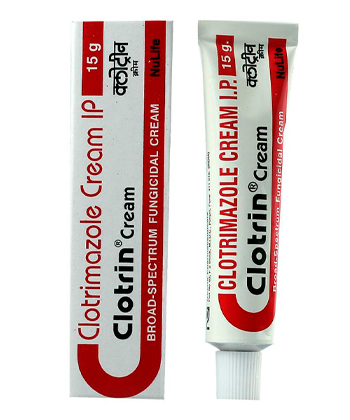
Clotrimazole
- In Canadian pharmacies and many e-pharmacies, you can buy clotrimazole over the counter (no prescription) for common 1% topical creams, lotions and powders; note that some vaginal tablets, higher‑strength or combination products may require a prescription in certain jurisdictions.
- Clotrimazole is an antifungal (imidazole derivative) used to treat superficial fungal infections such as tinea (athlete’s foot, ringworm, jock itch), vulvovaginal candidiasis and oropharyngeal thrush; it works by inhibiting fungal ergosterol synthesis (lanosterol 14α‑demethylase), disrupting fungal cell membranes and causing fungal cell death.
- Usual dosages: 1% topical cream applied to the affected area 2–3 times daily for 2–4 weeks; vulvovaginal options include 100 mg vaginal tablet nightly for 6 nights or a single 500 mg tablet; oropharyngeal lozenge typically 10 mg five times daily for up to 14 days (where available).
- Forms of administration include topical (cream, lotion, solution, powder), vaginal tablet/ovule, and rarely oral lozenge for oropharyngeal candidiasis.
- Onset: symptomatic improvement is often seen within 24–72 hours, but visible/mycological cure may take days to weeks depending on the infection and formulation.
- Duration of action/treatment: treatment courses vary by indication—topical therapy generally 2–4 weeks, vaginal therapy 1–6 days (single 500 mg dose or multi‑night 100 mg regimen); full resolution may require continuing treatment for a short period after symptoms resolve.
- Alcohol warning: there is no specific alcohol prohibition for topical or vaginal clotrimazole, but avoid excessive alcohol if you are using systemic antifungals concurrently; always follow product instructions and consult a healthcare provider for combined therapies.
- The most common side effects are local and mild: topical application can cause skin irritation, burning, redness, itching, peeling or rash; vaginal use can cause local burning, itching, pelvic cramps or altered discharge.
- Would you like to try clotrimazole without a prescription?
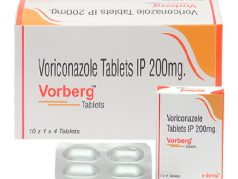
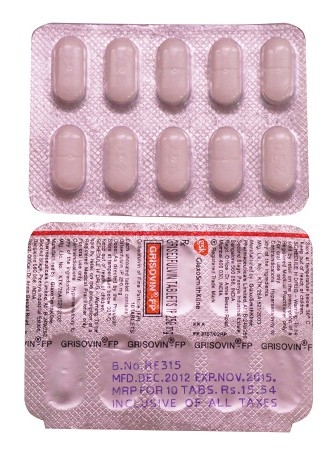
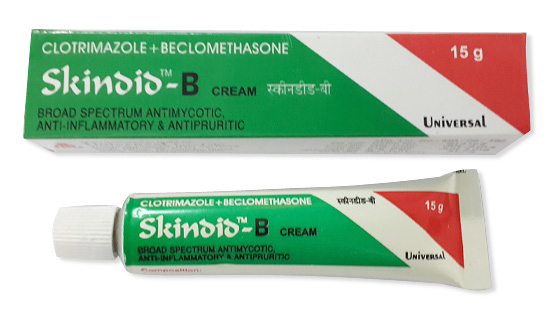
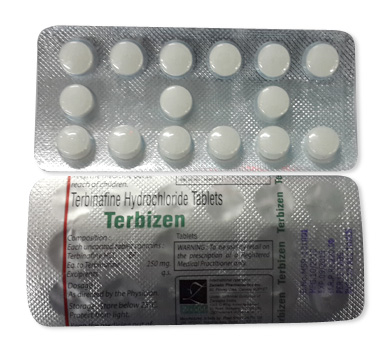
Basic Clotrimazole Information
- INN (International Nonproprietary Name): Clotrimazole.
- Brand Names Available In Canada (English): Canesten, Clotrimaderm, Desenex, Myclo‑Derm, Neo‑Zol (typically available as creams, lotions, and vaginal tablets).
- ATC Code: D01AC01 (topical), G01AF02 (vaginal use).
- Forms & Dosages: Cream 1% and 2%; vaginal tablets 100 mg and 500 mg; solution 1%; lotion 1%; powder/dusting powder 1%.
- Manufacturers In Canada (English): Major global manufacturers include Bayer (Canesten), GSK and generics; local and international suppliers supply Canesten, Clotrimaderm and other brands.
- Registration Status In Canada (English): Topical and vaginal clotrimazole formulations are approved and commonly available OTC and by prescription; check the Drug Identification Number (DIN) on packaging for Health Canada registration.
- OTC / Rx Classification: 1% topical creams, solutions and dusting powders are usually OTC; some vaginal products or combination/higher strength preparations may require a prescription depending on formulation.
Instructions, Warnings, And Daily‑Life Integration (Canadian Patients)
Quick question: Where can you find clotrimazole and how should you handle it at home?
For most skin fungal infections and vaginal thrush in Canada, clotrimazole is available over the counter in 1% topical creams, lotions and dusting powders, and as 100 mg or 500 mg vaginal tablets sold under brands such as Canesten, Clotrimaderm and Neo‑Zol.
Always read the product label for the Drug Identification Number (DIN) and active strength and keep the packaging for bilingual (English/French) information and expiry details.
Do not use clotrimazole on the eyes or on mucous membranes unless the product is specifically labelled for vaginal use.
Stop use and seek care if you develop severe rash, swelling or any sign of a systemic allergic reaction.
If you are pregnant or breastfeeding, consult a pharmacist or prescriber before use; topical and vaginal products are generally considered safe but should be reviewed for individual circumstances.
- Store below 25 °C and away from direct sunlight and moisture.
- Keep products out of reach of children and pets.
- Do not freeze creams or lotions; keep in original packaging.
- Rural patients can order from Shoppers Drug Mart online, London Drugs or provincial e‑pharmacies; expect bilingual labelling and variable provincial coverage (for example ODB, BC PharmaCare, RAMQ).
Everyday Use & Best Practices
Morning Vs Evening Dosing In Canadian Routines
A common worry is fitting treatment around work and family routines.
For 1% topical creams used for athlete’s foot, jock itch and ringworm, apply the cream two to three times daily, with many Canadians finding morning and evening applications most practical.
Apply topical clotrimazole after showering and after drying the area thoroughly in the morning, and again before bed so the medicated area stays dry overnight.
For vaginal tablets, follow the package instructions precisely: either a single 500 mg intravaginal dose or 100 mg intravaginal tablets nightly for six nights depending on product selection.
Use phone reminders or place a small sticker on the bathroom mirror when treating a vaginal infection or when on multiple medicines to help track doses.
Taking With Or Without Meals (Canadian Diet Context)
Topical and vaginal clotrimazole are unaffected by food, so no meal timing is required for effectiveness.
Oral clotrimazole lozenges are uncommon in Canada, but if present they dissolve in the mouth and should not be followed by eating or drinking for 30 minutes to allow full local action.
If mornings include a hearty Canadian breakfast—coffee, oatmeal, or toast—plan to apply topical cream after drying off so the medication will not be washed away by showering or sweating.
- Morning: Shower, dry the area thoroughly, then apply 1% cream and put on clean, breathable clothing.
- Evening: Reapply cream before bed and change socks or underwear if damp.
- Vaginal tablet routine: Insert at bedtime to reduce leakage and maximise contact time.
Safety Priorities
Who Should Avoid It (Health Canada Advisories)
Patients with a known allergy to clotrimazole or other imidazole antifungals must not use these products.
Health Canada guidance advises checking product packaging for any allergy warnings and never using clotrimazole in the eyes.
Avoid topical use on broken, excoriated or heavily inflamed skin unless directed by a healthcare professional because absorption may increase.
Topical and intravaginal forms are usually acceptable in pregnancy and lactation but should be reviewed with a pharmacist or prescriber, especially during the first trimester.
Children under two years should only receive clotrimazole if recommended by a healthcare provider.
Activities To Limit (Driving, Workplace Safety)
Topical and vaginal clotrimazole products do not impair driving or operating machinery in routine use.
If you experience unexpected systemic effects such as dizziness (rare with topical use), avoid driving and seek medical attention.
At work, especially for food handlers or healthcare staff, cover treated areas and follow workplace policies; some employers require clearance if visible lesions persist.
- Contraindications: Known hypersensitivity to clotrimazole or imidazoles; ophthalmic use is prohibited.
- Seek care if you have severe rash, swelling, blistering, or signs of systemic allergic reaction.
Dosage & Adjustments
General Regimen (DIN References)
Standard topical dosing in Canada for skin tinea infections is 1% cream applied to the affected area two to three times daily for two to four weeks and continued for at least two weeks after symptoms clear.
For vulvovaginal candidiasis the typical options are a 100 mg vaginal tablet nightly for six nights or a single 500 mg intravaginal tablet depending on the brand and package directions.
Always confirm the product’s Drug Identification Number (DIN) on the packaging to ensure Health Canada registration and to check exact formulation and expiry.
Special Cases (Elderly, Comorbidities)
No routine dose reduction is required for elderly patients, but monitor closely for increased skin sensitivity and interactions with pre‑existing dermatitis or fragile skin.
Topical and vaginal forms do not require adjustment for liver or kidney impairment; oral systemic azole forms (rare) do need caution and are typically avoided in severe liver disease.
Patients who are immunocompromised or who have recurrent infections should see a prescriber for possible longer courses or systemic therapy.
| Indication | Typical Dose | Typical Duration |
|---|---|---|
| Tinea Pedis/Corporis/Cruris | 1% cream applied 2–3 times daily | 2–4 weeks, continue 2 weeks after symptom resolution |
| Vulvovaginal Candidiasis | 100 mg vaginal tablet nightly × 6 nights OR single 500 mg tablet | 1–6 days depending on product |
| Oropharyngeal Candidiasis (Lozenge; uncommon) | 10 mg lozenge dissolve in mouth 5×/day | 14 days or at least 48 hours after symptom resolution |
User Testimonials
Positive Reports From Canadian Patients
Many Canadian users report symptom relief within a few days when treating athlete’s foot or vaginal thrush with OTC clotrimazole brands such as Canesten or Neo‑Zol.
Common positives mentioned include low cost, easy access at community pharmacies like Shoppers Drug Mart and bilingual instructions on the box.
Rural patients often note the convenience of online ordering from national chains with home delivery.
Common Challenges In Forums
Recurring themes on community boards include relapses after stopping treatment too soon and local irritation or burning sensations for a small number of users.
Other frequent issues are confusion between external creams and intravaginal tablets, and occasional frustration about provincial coverage for OTC antifungals.
- Pros: Effective, widely available, bilingual labelling, multiple formulations (cream, powder, vaginal tablet).
- Cons: Possible local irritation, relapse if course not completed, variable provincial coverage.
Bring this checklist to the pharmacist: symptoms, prior treatments, pregnancy status, allergies, product DIN if available.
Buying Guide
Pharmacy Sources (Shoppers, Rexall, Jean Coutu, London Drugs)
Clotrimazole is widely stocked over the counter at Shoppers Drug Mart, Rexall, Jean Coutu (Québec), London Drugs and most independent community pharmacies across Canada.
Look for brand names such as Canesten and Clotrimaderm or generics labelled with clotrimazole 1% cream or 100 mg/500 mg vaginal tablets.
Urban pharmacies tend to carry multiple strengths and formats, while smaller rural stores may stock the most common OTC options; use chain websites or provincial e‑pharmacies to order if needed.
Price Comparison (In‑Store vs Online, Cross‑Border Notes)
Prices vary across retailers: single‑use vaginal tablets or small cream tubes bought in store are often pricier than bulk online purchases or store generics.
Provincial drug plans rarely cover OTC antifungals unless a prescriber writes a prescription and submits it for coverage.
Cross‑border purchases may appear cheaper, but ensure identical formulation and check Health Canada import rules before bringing products into Canada.
| Purchase Channel | Pros | Cons |
|---|---|---|
| In‑Store Pharmacy | Immediate pickup, pharmacist counselling, bilingual packaging | Higher unit price for small packs |
| Online Chain Pharmacy | Delivery to remote areas, often better prices and loyalty points | Delivery time varies; keep packaging for DIN and instructions |
| Cross‑Border Import | Possible price savings | Regulatory and import considerations; ensure identical active strength |
For convenience, our online pharmacy stocks clotrimazole OTC with discreet delivery across Canada in 5–14 days.
What’s Inside & How It Works
Ingredients Overview
The active ingredient is clotrimazole, an imidazole antifungal commonly available as 1% topical creams and 100 mg or 500 mg vaginal tablets in Canada.
Some products come in 2% strengths in other regions, but Canadian OTC topical products are most typically 1% strength.
Non‑active ingredients vary by brand and include cream bases, applicators and excipients—check packaging for potential allergens.
Mechanism Basics
Clotrimazole works by inhibiting fungal ergosterol synthesis through blockade of lanosterol 14‑α‑demethylase, disrupting fungal cell membrane integrity.
The result is fungal growth arrest and cell death for dermatophytes and Candida species that cause common skin and vaginal infections.
Topical application provides high local concentrations with minimal systemic absorption, which reduces the risk of systemic side effects.
| Component | Role |
|---|---|
| Clotrimazole (Active) | Blocks ergosterol synthesis → damages fungal cell membrane |
| Cream Base/Excipients | Provides spreadability and skin adhesion; check for sensitivities |
Main Indications
Approved Uses In Canada
Clotrimazole is approved in Canada for superficial fungal infections such as tinea pedis (athlete’s foot), tinea corporis (ringworm), tinea cruris (jock itch) and vulvovaginal candidiasis.
Available formulations include 1% topical creams, lotions and powders, and 100 mg and 500 mg vaginal tablets sold under Canesten, Clotrimaderm and similar brands.
ATC classifications are D01AC01 for topical use and G01AF02 for vaginal use.
Off‑Label Uses By Canadian Physicians
Clinicians sometimes use clotrimazole off‑label for localized cutaneous Candida infections or as part of combination therapy with topical corticosteroids for inflamed fungal presentations, typically under prescription.
Oropharyngeal lozenges exist in some markets but are not commonly used in Canada; systemic agents are preferred for severe or widespread infections.
- Match symptoms such as persistent itching, a ring‑shaped rash, scaling skin or vaginal discharge to the appropriate formulation.
- When in doubt, consult a pharmacist for a quick assessment and a recommended OTC product or referral.
Interaction Warnings
Food Interactions (Alcohol, Caffeine)
Because topical and vaginal clotrimazole have negligible systemic absorption, there are no clinically relevant interactions with food, alcohol or caffeine.
If using an oral lozenge (rare), avoid eating or drinking for 30 minutes after dosing to allow the lozenge to dissolve and act locally.
Avoid applying alcohol‑based topical products to irritated skin as alcohol can increase stinging or burning sensations.
Drug Conflicts (Health Canada Database)
Topical clotrimazole is unlikely to cause systemic drug interactions.
Caution is required when using systemic azoles together with other medications that are strong CYP inhibitors or substrates, although this is rarely a concern with topical formulations.
Combination topical products that contain corticosteroids can increase systemic exposure if applied over large areas or under occlusion; consult the Health Canada Drug Product Database for updates if you are taking multiple antifungal agents.
| Interaction Type | Risk Level | Advice |
|---|---|---|
| Topical Clotrimazole + Oral Drugs | Low | Unlikely; consult pharmacist if on multiple systemic azoles |
| Combination Products With Corticosteroids | Moderate If Misused | Avoid long‑term use without supervision |
Latest Evidence & Insights
Clinically, clotrimazole remains an effective topical antifungal for uncomplicated dermatophyte and Candida infections.
Randomized trials show comparable outcomes between clotrimazole and other topical azoles such as miconazole for superficial infections.
Terbinafine may deliver faster cure rates for dermatophyte skin infections in some studies, while clotrimazole retains broader activity against yeast such as Candida.
For vulvovaginal candidiasis, single 500 mg intravaginal dosing or a six‑night 100 mg intravaginal regimen demonstrates high cure rates in clinical studies.
| Drug | Efficacy vs Dermatophytes | Efficacy vs Candida | Typical Duration |
|---|---|---|---|
| Clotrimazole | Good | Good | 2–4 weeks topically; 1–6 days intravaginal |
| Miconazole | Comparable | Good | Similar topical durations |
| Terbinafine | Often Faster For Dermatophytes | Less Active Versus Candida | Shorter topical course for tinea |
Alternative Choices
When clotrimazole is not suitable or fails, other topical and systemic antifungals are available.
Miconazole is a close OTC alternative with similar spectrum and is commonly used in Canada.
Terbinafine often clears dermatophyte infections faster and is available OTC topically for skin tinea, with oral terbinafine reserved for extensive or nail infections by prescription.
Econazole and ketoconazole are alternatives but may be prescription only or used less commonly due to safety considerations for oral use.
- Miconazole: Similar spectrum and OTC availability; good for yeast and dermatophytes.
- Terbinafine: Typically faster for dermatophytes; less active vs Candida; oral form is prescription for nail infections.
- Ketoconazole/Econazole: Considered in select cases; note systemic safety concerns for oral ketoconazole.
Decision points include distinguishing yeast from dermatophyte infections, site of infection, pregnancy, previous treatment response, and cost or formulary coverage.
Regulation Snapshot
Clotrimazole topical and vaginal formulations are approved and commonly available OTC in Canada, but always check the product’s DIN for Health Canada registration details.
ATC classifications are D01AC01 for topical and G01AF02 for vaginal use, reflecting imidazole antifungal status.
Provincial drug plans typically do not cover OTC purchases unless a prescriber issues a prescription; coverage varies between Ontario Drug Benefit, BC PharmaCare and RAMQ.
Pharmacists across provinces may recommend OTC clotrimazole after a brief assessment and in some provinces offer expanded care or minor ailments programs for treatment and documentation.
| Authority | Notes |
|---|---|
| Health Canada | Approves topical/vaginal clotrimazole; check DIN on packaging |
| Provincial Formularies | OTC purchases usually out‑of‑pocket unless prescribed |
| Community Pharmacists | Can provide counselling and minor ailment assessments in some provinces |
FAQ Section
How long until I feel better?
Many patients notice reduced itching and burning within two to three days for skin infections, but complete topical courses run two to four weeks and should continue at least two weeks after symptoms stop.
Vaginal tablets often relieve discomfort within 24–48 hours, with full course durations depending on the product used.
Can I use cream and vaginal tablet simultaneously?
Use products only as directed; topical creams are for external skin only and vaginal tablets are for insertion inside the vagina—do not mix different formulations unless advised by a pharmacist.
Is it safe during pregnancy?
Topical and intravaginal clotrimazole are generally considered safe in pregnancy, but consult your prenatal provider or pharmacist to confirm based on your situation.
What if symptoms recur?
See a healthcare provider if infections recur; recurrent episodes may need laboratory testing, longer therapy or systemic treatment and investigation for underlying causes such as diabetes or immune suppression.
- When To See A Doctor: symptoms worsen, fever or spreading redness, recurrent infections, severe pain or any systemic signs.
Guidelines For Proper Use
Pharmacist and provincial health authority recommendations start with a brief assessment covering onset, symptoms, prior treatments, pregnancy status and allergies.
For topical tinea, wash and fully dry the area and apply 1% cream two to three times daily; avoid occlusion unless specifically directed by a prescriber.
For vulvovaginal candidiasis, insert the vaginal tablet at bedtime to minimise leakage, using 100 mg nightly for six nights or a single 500 mg tablet as directed by the package.
Use gloves or wash hands before and after application to reduce spread.
Prevention tips include keeping feet dry, changing socks regularly, using breathable footwear, avoiding sharing towels and laundering bedding at warm temperatures when treating an active infection.
Pharmacists should document DIN, counsel on expected side effects like local burning or itching and provide written bilingual instructions when possible.
- Patient Counselling Checklist For Pharmacists: confirm diagnosis, check pregnancy/allergy status, demonstrate application, note DIN and expiry, advise on when to seek further care.
Delivery Across Canada (English)
| City | Region | Delivery Time |
|---|---|---|
| Toronto | Ontario | 5–7 days |
| Montreal | Quebec | 5–7 days |
| Vancouver | British Columbia | 5–7 days |
| Calgary | Alberta | 5–7 days |
| Edmonton | Alberta | 5–7 days |
| Ottawa | Ontario | 5–7 days |
| Winnipeg | Manitoba | 5–7 days |
| Halifax | Nova Scotia | 5–7 days |
| Victoria | British Columbia | 5–9 days |
| Saskatoon | Saskatchewan | 5–9 days |
| Regina | Saskatchewan | 5–9 days |
| St. John's | Newfoundland and Labrador | 5–9 days |
| London | Ontario | 5–9 days |
| Kitchener | Ontario | 5–9 days |
Closing Notes And Practical Reminders
When selecting a product, always verify the active ingredient is clotrimazole at the intended strength and confirm the DIN on the box for registration details.
Keep the packaging until treatment is complete in case a pharmacist needs the DIN or batch number for reference.
Most common side effects are local and mild; stop use and seek medical attention for severe allergic signs or worsening infection.
If symptoms persist after a full, correctly applied course, obtain a clinical evaluation for possible alternative diagnoses, laboratory confirmation or systemic therapy.
For questions about product selection, dosing or provincial coverage, consult your local pharmacist; they can provide counselling and document the DIN for your records.