
Lamisil
Lamisil
- In our pharmacy you can buy Lamisil topical forms (cream, spray) without a prescription, with delivery across Canada in 3–14 days and discreet packaging; oral Lamisil (terbinafine 250 mg tablets) is prescription-only and must be supplied with a prescription.
- Lamisil (terbinafine) is an antifungal used to treat nail and skin fungal infections (onychomycosis, tinea corporis/cruris/pedis, athlete’s foot). It is fungicidal via inhibition of squalene epoxidase, blocking ergosterol synthesis and causing fungal cell death.
- Usual doses: oral terbinafine 250 mg once daily for adults (6 weeks for fingernail, 12 weeks for toenail; 2–6 weeks for skin infections); topical: apply a thin layer of 1% cream or spray once or twice daily for 1–4 weeks depending on the condition.
- Forms of administration: oral tablet (250 mg) and topical preparations (cream 1%, spray 1%), applied to the affected area; tablets taken by mouth once daily.
- Onset time: topical treatment may relieve symptoms (itching, redness) within a few days while fungal clearance can take weeks; oral therapy attains therapeutic levels in hours but clinical improvement for nail infections may be seen only after weeks to months.
- Duration of action: terbinafine has a long terminal elimination half-life after repeated dosing (around 16 days) with persistent drug levels in skin and nails; topical effects last while treatment continues and until the fungus is eradicated.
- Alcohol warning: avoid excessive alcohol while taking oral terbinafine due to potential increased risk of liver injury; report any signs of liver problems (dark urine, jaundice, persistent nausea) and discuss alcohol use with your healthcare provider.
- The most common side effec is gastrointestinal upset (nausea, diarrhea, dyspepsia); other frequent effects include headache, rash, taste disturbances and mild liver enzyme elevations.
- Would you like to try Lamisil without a prescription?
Basic Lamisil Information
- INN (International Nonproprietary Name): Terbinafine
- Brand Names Available In Canada (English): not specified
- ATC Code: D01BA02
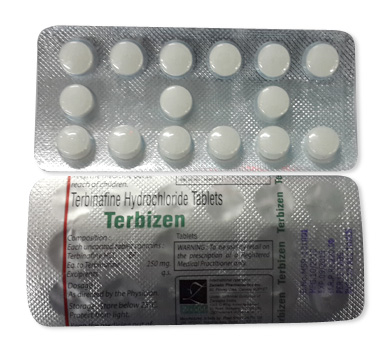
- Forms & Dosages: Oral tablet 250 mg; Topical cream 1%; Topical spray 1% (typical packs: 7, 14, 28, 30 tablets; 7–30 g tube; 15–30 ml spray)
- Manufacturers In Canada (English): not specified
- Registration Status In Canada (English): not specified
- OTC / Rx Classification: Oral tablet — prescription-only; Topical forms — OTC in some jurisdictions
Worried about taking lamisil safely at home and keeping it effective?
Read the product label at pickup and confirm the Drug Identification Number (DIN) and bilingual EN/FR information before leaving the pharmacy.
Keep blister packs or tubes for reference in case you need ingredients, batch numbers, or expiry dates later.
If you have chronic or active liver disease, do not take oral terbinafine unless your prescriber has given clear sign-off; oral terbinafine is contraindicated in chronic/active liver disease.
For topical use, avoid sharing tubes or sprays with others and dry the affected area thoroughly before applying the cream or spray.
Store lamisil products at 15–30°C and protect from moisture and light.
If you take other medicines—especially antidepressants or beta‑blockers—ask the pharmacist about CYP2D6 interactions before starting oral therapy.
Daily-life tip: schedule a once-daily tablet with a consistent routine, for example with breakfast or bedtime, and set a phone reminder.
Ask the pharmacy team for a simple checklist at pick-up to track baseline tests, dose time, and follow-up dates.
Everyday Use & Best Practices
Morning Vs Evening Dosing In Canadian Routines
Which time of day works best for lamisil depends on your routine and the infection you are treating.
Oral terbinafine tablets are usually 250 mg once daily and should be taken at the same time each day to build a routine.
For many Canadians the evening works well because there are fewer interruptions and it is easier to remember after chores or before sleep.
Shift workers or rural patients can pair the dose with a daily activity, for example after morning coffee or after brushing teeth at night.
Use blister packs to tick off doses or a simple weekly pillbox for long courses such as 6–12 weeks for onychomycosis.
Bring the checklist from the pharmacy to every prescriber appointment so dose adherence and monitoring can be confirmed.
Taking With Or Without Meals (Canadian Diet Context)
Terbinafine has moderate oral absorption—about 40–50%—so it can be taken with or without food.
If you have a sensitive stomach, take the tablet with a light Canadian-style snack such as toast or yogurt to reduce nausea.
Topical Lamisil cream 1% or spray 1% is usually applied once or twice daily to clean, dry skin.
Allow the area to air-dry for a few minutes before dressing and avoid tight occlusive bandages unless directed by a prescriber.
- Skin Prep: wash, dry thoroughly, and remove visible scales before applying topical cream or spray.
- Application: apply a thin layer 1–2 times daily as directed.
- Clothing: allow a few minutes of air-drying to prevent transfer to garments.
Safety Priorities
Who Should Avoid It (Health Canada Advisories)
Do not use oral terbinafine if you have chronic or active liver disease; this is an absolute contraindication.
Stop and seek medical care for signs of liver injury such as dark urine, jaundice, or persistent nausea and vomiting.
Avoid oral terbinafine if you have known hypersensitivity to terbinafine or any formulation excipient.
Topical forms are lower risk but should be used with caution in patients with severe psoriasis or systemic autoimmune diseases such as lupus unless advised by a clinician.
Pharmacists should document hepatic and renal history and confirm the DIN where available at dispensing.
- Checklist At Pharmacy: hepatic history, renal status, allergies, medication review, DIN confirmation.
Activities To Limit (Driving, Workplace Safety)
Some patients report dizziness or fatigue while taking terbinafine.
Avoid driving, operating heavy machinery, or safety-sensitive work until you know how the medicine affects you.
Severe taste disturbance or persistent fatigue can affect nutrition and workplace performance; report these to your prescriber promptly.
Printable red-flag checklist for employers or occupational health:
- New or worsening jaundice
- Dark urine or pale stools
- Persistent nausea, vomiting, or abdominal pain
- Marked dizziness, confusion, or severe fatigue
Dosage & Adjustments
General Regimen (DIN References)
The standard oral dose for adults is terbinafine 250 mg once daily.
Treatment duration varies by indication: 6 weeks for fingernail onychomycosis and 12 weeks for toenail onychomycosis.
For tinea corporis/cruris the usual oral course is 2–4 weeks and for tinea pedis 2–6 weeks.
Topical formulations (cream or spray 1%) are applied thinly 1–2 times daily for 1–4 weeks depending on the infection.
Check the product’s DIN at dispensing and confirm provincial coverage with your pharmacist.
Special Cases (Elderly, Comorbidities)
No routine dose change is required for the elderly, but increased monitoring of liver enzymes and renal function is recommended.
In moderate to severe renal impairment (CrCl <50 mL/min) consider dose reduction by approximately 50% or avoid—consult a specialist if needed.
Oral terbinafine should be avoided in hepatic impairment due to risk of accumulation and toxicity.
Oral use in children under 18 is not routinely recommended and should be specialist-directed with weight-based dosing if used.
| Indication | Typical Dose | Duration / Adjustment |
|---|---|---|
| Onychomycosis (Fingernail) | Terbinafine 250 mg once daily | 6 weeks |
| Onychomycosis (Toenail) | Terbinafine 250 mg once daily | 12 weeks |
| Tinea Corporis/Cruris | Terbinafine 250 mg once daily | 2–4 weeks |
| Tinea Pedis (oral or topical) | Oral 250 mg or Topical 1% cream/spray | Oral 2–6 weeks; Topical 1–4 weeks |
User Testimonials
Positive Reports From Canadian Patients
"Topical Lamisil cream cleared my athlete’s foot within three weeks and stopped the itching." — anonymized patient report.
"After a 12-week oral course my toenails started to show improvement at around four months." — anonymized patient report.
"The tablet was convenient once a day, and my pharmacist gave me a pillbox and checklist which helped me finish the course." — anonymized patient report.
- Expectation Checklist: topical improvement in 1–4 weeks; nail appearance improves over months.
- Patience Rule: oral treatment for nails requires long courses and delayed visible results.
Common Challenges In Forums (Reddit Canada, Health Boards)
Common posts report taste disturbance, transient gastrointestinal upset, and concerns about liver safety.
Many users recommend baseline liver tests and follow-up monitoring before and during oral therapy.
Rural patients often describe delays in specialist referrals and value pharmacist triage at local community pharmacies such as Shoppers Drug Mart.
Cross-border price comparisons appear frequently, but authenticity, import rules, and customs can complicate buying from outside Canada.
Always talk to your clinician before acting on forum advice and confirm monitoring plans with your local pharmacist.
Buying Guide
Pharmacy Sources (Shoppers, Rexall, Jean Coutu, London Drugs)
In Canada, oral lamisil tablets (terbinafine 250 mg) are prescription-only, while some topical products may be available OTC depending on the product.
National chains such as Shoppers Drug Mart, Rexall, Jean Coutu, and London Drugs as well as independent community pharmacies dispense lamisil products.
Ask the pharmacist to check the DIN, explain generic versus brand options, and document interactions and monitoring requirements.
In our online pharmacy, lamisil is available without a prescription, with discreet delivery to Canada (English) in 5-14 days.
- Bring To The Pharmacy: current medication list, provincial health card, and any prior treatment notes or photos of the affected area.
Price Comparison (In-Store Vs Online, Cross-Border Notes)
| Product | Typical Pack | Typical Price Range |
|---|---|---|
| Lamisil 250 mg (30 tablets) | 30-tablet pack | not specified |
| Terbinafine Generic 250 mg (30 tablets) | 30-tablet pack | not specified |
| Lamisil Cream 1% (15 g) | Tube 15 g | not specified |
Cross-border shoppers compare prices with US suppliers, but beware of importation rules, customs delays, and authenticity concerns.
For lengthy courses, calculate the total course cost (e.g., 12 weeks) and check provincial formularies for possible coverage or special authorization.
What’s Inside & How It Works
Ingredients Overview
The active ingredient is terbinafine (International Nonproprietary Name).
Oral tablets are typically 250 mg and topical forms are usually 1% cream or spray in 7–30 g/mL packs.
Excipients vary by manufacturer; check the package if you have known excipient allergies.
Brand packaging may list Novartis or a generic manufacturer such as Sandoz, Teva, Zentiva, or others.
Mechanism Basics
Terbinafine is an allylamine antifungal that inhibits squalene epoxidase, blocking ergosterol synthesis and causing fungal cell death.
The drug is fungicidal against dermatophytes, which explains its effectiveness in nail and skin infections.
Pharmacokinetics: oral absorption is about 40–50% with extensive first-pass metabolism and a long terminal half-life after repeated dosing (~16 days).
Tissue accumulation in adipose and skin provides sustained levels in nails and skin, which supports efficacy even after dosing stops.
- Practical Implications: long tissue levels help nail cure but mean systemic exposure requires liver monitoring in at-risk patients.
Main Indications
Approved Uses In Canada
Terbinafine treats dermatophyte skin infections and onychomycosis.
Oral terbinafine 250 mg once daily is standard for nail infections and for skin tinea infections at the durations noted earlier.
Topical 1% cream or spray is recommended for localized tinea and athlete’s foot, with availability OTC depending on the product and jurisdiction.
Off-Label Uses By Canadian Physicians
Canadian clinicians may use terbinafine off-label for resistant dermatophyte infections or when itraconazole or fluconazole are unsuitable.
Oral use in under-18s is generally not routine and is managed by specialists when required.
For recurrent or atypical infections, diagnostic testing such as KOH preparation or culture is recommended before prolonged systemic therapy.
| Indication | Typical Regimen | Expected Duration |
|---|---|---|
| Onychomycosis | Terbinafine 250 mg once daily (oral) | 6–12 weeks depending on nail |
| Tinea Corporis/Cruris | Terbinafine 250 mg once daily (oral) or topical 1% | 2–4 weeks (oral); 1–4 weeks (topical) |
| Tinea Pedis | Oral 250 mg or topical 1% cream/spray | 2–6 weeks (oral); 1–4 weeks (topical) |
Interaction Warnings
Food Interactions (Alcohol, Caffeine)
There is no major interaction with caffeine, but alcohol should be minimised during oral terbinafine therapy because of hepatic risk.
Patients should avoid heavy alcohol consumption and report any symptoms suggesting liver injury promptly.
Drug Conflicts (Health Canada Database)
Terbinafine is metabolised by the liver and inhibits CYP2D6, which can affect drugs metabolised by this pathway.
High-risk classes include certain antidepressants and some beta‑blockers; these combinations require pharmacist review and possible alternatives.
Always bring a complete list of prescription, OTC, and herbal medications to the pharmacist for an interaction check.
| Drug Class | Interaction Risk |
|---|---|
| Antidepressants (some SSRIs) | Potential interaction via CYP2D6 inhibition — increased concentrations or adverse effects |
| Beta‑Blockers (some) | Possible altered metabolism — consult pharmacist |
| Other CYP2D6 Substrates | Variable risk — pharmacist review recommended |
Latest Evidence & Insights
Highlight Canadian And International Research
Systematic reviews show terbinafine is effective for dermatophyte infections and onychomycosis and often offers higher mycological cure rates than some comparators for nail disease.
Pharmacokinetic data explain the long tissue effect that supports nail treatment success after sustained dosing.
| Agent | Cure Rate Summary | Adverse Event Notes |
|---|---|---|
| Terbinafine (oral) | Higher mycological cure rates vs some comparators for onychomycosis | Taste disturbance, liver enzyme elevations (monitoring advised) |
| Itraconazole (oral) | Effective; variable absorption and drug interactions | More drug interactions; hepatic monitoring needed |
| Fluconazole (oral) | Used off-label for some dermatophytes; mixed results for nails | Generally well tolerated but less effective for dermatophyte nails in some studies |
Practical Takeaways For Patients
Short oral courses clear most skin tinea infections quickly, while nail infections require longer therapy and realistic timelines for visible improvement.
Obtain baseline liver function tests for oral therapy if you have risk factors and repeat tests if you develop symptoms.
For recurrent infections, consider fungal culture or dermatologist referral rather than repeated empirical systemic courses.
- Action Checklist: baseline LFTs if at risk, mid-course assessment at ~6 weeks for nail therapy, photograph nails monthly to document progress.
Alternative Choices
List Of Comparable Medicines With Pros/Cons Checklist
Alternatives to terbinafine include itraconazole and fluconazole for oral therapy, and topical agents such as ciclopirox or efinaconazole for nails.
- Itraconazole: broader spectrum but more drug interactions and variable absorption.
- Fluconazole: used for Candida and some dermatophytes; variable efficacy for nail dermatophytes.
- Ciclopirox: topical option for onychomycosis; less systemic risk but lower cure rates compared with oral therapy.
- Efinaconazole: topical solution for toenail onychomycosis; useful when systemic therapy is contraindicated but can be costly.
When To Choose Alternatives (Practical Guidance)
Consider alternatives if terbinafine is contraindicated due to hepatic disease, if the patient takes high‑risk CYP2D6 substrates, or after documented terbinafine failure.
For mild, localized infections, topical agents minimise systemic exposure and monitoring requirements.
Document the clinical reasoning when requesting provincial reimbursement or special authorization for alternative therapy.
Regulation Snapshot
Health Canada Approval And DIN Requirements
Oral terbinafine is generally prescription-only and topical forms may be OTC in some markets.
In Canada, marketed products carry a Drug Identification Number (DIN) and bilingual labelling; confirm the DIN at dispensing.
Pharmacists should verify product approval status and counsel on proper use and monitoring.
Provincial Reimbursement Notes (ODB, BC Pharmacare, RAMQ)
Formularies vary by province; onychomycosis often requires prior authorization or special criteria for coverage under programs such as the Ontario Drug Benefit (ODB), BC PharmaCare, or RAMQ.
Prepare a short checklist for reimbursement requests: medical note, photos, prior treatments, and documentation of contraindications to alternatives.
Rural pharmacies may be slower to stock branded products; ask about generic options from established manufacturers at your local pharmacy.
FAQ Section
Common Canadian Patient Questions
Q1: Can I buy Lamisil cream without a prescription in Canada?
A1: Topical 1% forms may be available OTC depending on the product and province; oral 250 mg tablets are prescription-only. Check with your local pharmacy and verify the DIN.
Q2: How long until I see toenail improvement?
A2: Toenail improvement is slow; oral courses run 12 weeks for toenails but visible improvement may take 6–12 months as the nail grows out.
Q3: Do I need liver tests before starting?
A3: Baseline liver function tests are advisable for oral therapy in patients with risk factors; repeat tests if symptoms arise.
Q4: Can I drink alcohol while taking terbinafine?
A4: Minimise alcohol while on oral terbinafine because of hepatic risk and discuss alcohol use with your prescriber.
Guidelines For Proper Use
Canadian Pharmacist And Provincial Health Authority Recommendations
Pharmacists should confirm the indication, review current medications for CYP2D6 interactions, counsel on hepatic injury signs, and verify DIN and brand vs generic at dispensing.
Topical counselling should stress skin prep, complete drying, and avoiding occlusion unless directed by a prescriber.
Provincial recommendations advise baseline LFTs for systemic therapy in patients with liver risk factors and clinical monitoring otherwise.
Monitoring Checklist And Follow-Up
Printable monitoring checklist for patients starting oral terbinafine:
- Baseline liver function tests if risk factors present.
- Medication review for CYP2D6 substrates and interacting drugs.
- Pregnancy and breastfeeding status confirmed before starting oral therapy.
- Renal function check if moderate/severe impairment is suspected.
- Symptom diary for taste changes, fatigue, jaundice, or abdominal pain.
- Schedule a mid-course check (for nails, around 6 weeks) and ongoing photo documentation of nail progress.
Refer to a dermatologist if there is no improvement or if infections recur despite adequate therapy and adherence.
Delivery Across Canada (English)
| City | Region | Delivery Time |
|---|---|---|
| Toronto | Ontario | 5-7 days |
| Montreal | Quebec | 5-7 days |
| Vancouver | British Columbia | 5-7 days |
| Calgary | Alberta | 5-7 days |
| Edmonton | Alberta | 5-7 days |
| Ottawa | Ontario | 5-7 days |
| Winnipeg | Manitoba | 5-7 days |
| Quebec City | Quebec | 5-7 days |
| Halifax | Nova Scotia | 5-7 days |
| Victoria | British Columbia | 5-7 days |
| Kelowna | British Columbia | 5-9 days |
| St. John's | Newfoundland and Labrador | 5-9 days |
| Thunder Bay | Ontario | 5-9 days |
| Whitehorse | Yukon | 5-9 days |
| Nanaimo | British Columbia | 5-9 days |