Fungal infections are common conditions caused by microscopic fungi that thrive in warm, moist environments on or in the body. These infections can affect various parts including the skin, nails, mouth, and internal organs. Anyone can develop a fungal infection, though certain factors increase risk such as weakened immunity, prolonged antibiotic use, diabetes, or poor hygiene. Fungal infections range from mild and annoying to serious and potentially life-threatening depending on the type and location.
Common symptoms include itching, redness, scaling, discoloration, and discomfort. Early treatment with appropriate antifungal medications helps prevent complications and reduces discomfort. Understanding the type of fungal infection you have is essential for selecting the right treatment approach and ensuring effective recovery.
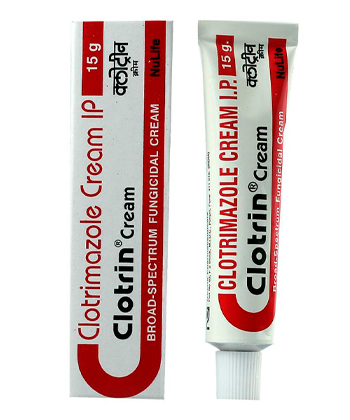
Topical antifungal products are applied directly to affected skin areas and are ideal for surface-level infections. These include creams, ointments, powders, and sprays that work locally without entering the bloodstream. Popular Canadian options include clotrimazole, miconazole, and tolnaftate, which effectively treat athlete's foot, ringworm, and other skin conditions. Topical treatments typically show results within one to two weeks of consistent application. They are generally well-tolerated with minimal side effects and are available over-the-counter at most Canadian pharmacies.
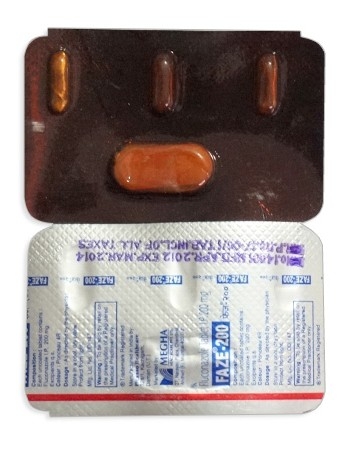
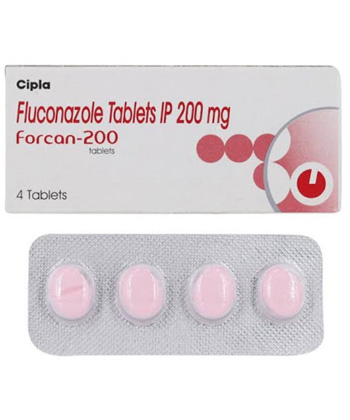
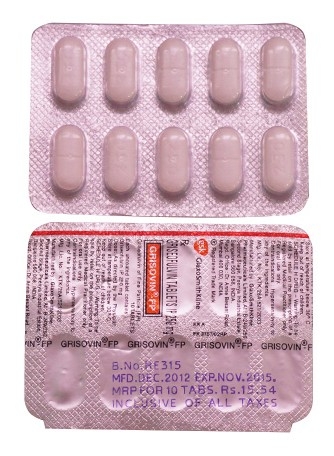
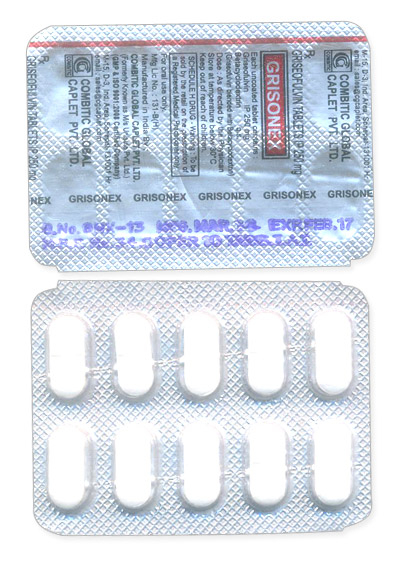
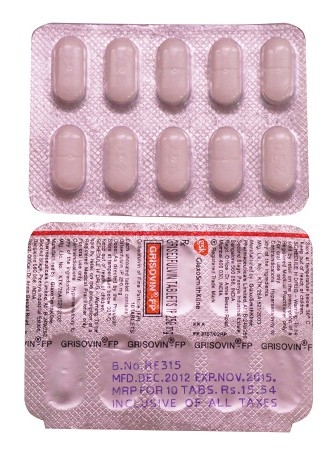
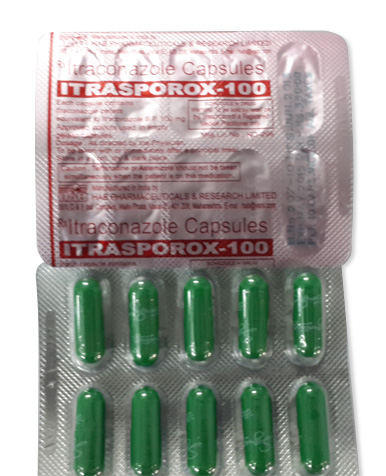
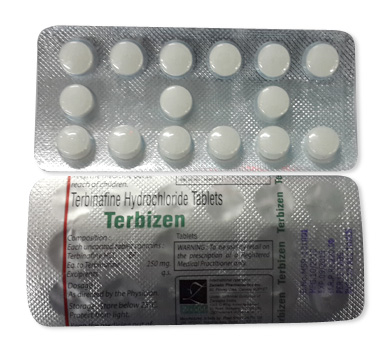
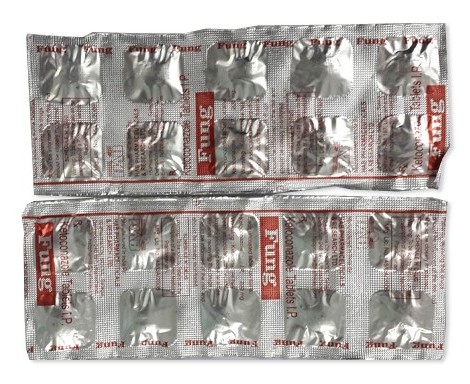
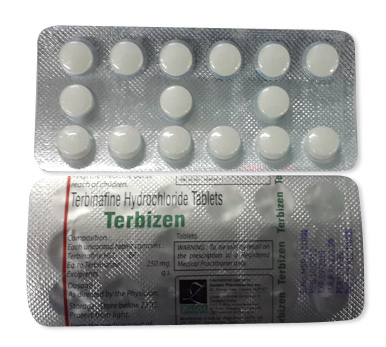
Oral antifungal medications are taken by mouth and distributed throughout the body via the bloodstream. These systemic treatments are necessary for more serious infections or when topical applications prove ineffective. Common oral antifungals available in Canada include fluconazole, itraconazole, and terbinafine. These medications are particularly effective for nail infections, oral thrush, and vaginal yeast infections. Oral antifungals require a prescription and must be taken exactly as directed by your healthcare provider. Treatment duration varies from a few days to several weeks depending on the infection severity.
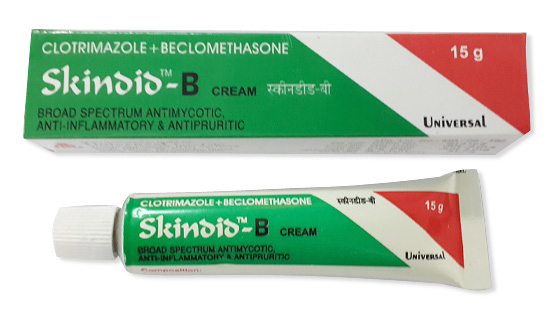
Combination antifungal products contain multiple active ingredients or combine antifungals with other compounds like corticosteroids or antibacterials. These products address infections that involve both fungal and bacterial components or reduce inflammation alongside fungal treatment. Canadian pharmacies stock various combination options suited for different infection types and locations.
Athlete's foot, clinically known as tinea pedis, and ringworm are highly contagious fungal infections affecting the skin. Athlete's foot typically appears between toes and on the soles of feet, causing intense itching and scaling. Ringworm presents as circular, red, scaly patches on skin and can affect any body area. Both conditions respond well to topical antifungal creams containing tolnaftate, clotrimazole, or miconazole applied twice daily for two to four weeks. If infections persist or spread extensively, oral medications like terbinafine may be prescribed. Keeping affected areas clean and dry significantly improves treatment success.
Nail fungal infections cause discoloration, thickening, and deterioration of fingernails or toenails. This condition develops slowly and can be persistent and difficult to treat. Topical antifungal treatments have limited effectiveness for nail infections because the nail structure prevents deep penetration. Oral antifungals like terbinafine or itraconazole are typically required and must be taken for extended periods, sometimes up to three months. These medications reach the nail bed and new nail growth, gradually replacing infected nails with healthy ones. Regular monitoring ensures treatment effectiveness and early detection of any side effects.
Vaginal yeast infections caused by Candida albicans are extremely common among Canadian women and cause itching, discharge, and discomfort. Oral thrush appears as white patches in the mouth and throat. Both conditions respond rapidly to antifungal treatments. Over-the-counter topical creams like miconazole or clotrimazole work well for vaginal infections. For oral thrush or recurrent infections, prescription oral antifungals such as fluconazole provide systemic relief. Most women experience symptom improvement within three to seven days of starting appropriate treatment.
Over-the-counter antifungal products work effectively for mild to moderate surface infections like athlete's foot, ringworm, and uncomplicated yeast infections. These products are accessible, affordable, and safe when used as directed. Common over-the-counter options include clotrimazole cream, miconazole powder, and tolnaftate spray. If symptoms persist after two weeks of treatment or worsen during use, consult a pharmacist or healthcare provider. Pregnant women or individuals with weakened immune systems should seek professional advice before self-treating with any product.
Certain situations require professional medical evaluation before starting antifungal treatment. These include infections affecting large body areas, nail infections, repeated infections, immunocompromised conditions, pregnancy-related infections, and infections failing to respond to over-the-counter treatments. Healthcare providers can accurately diagnose infection types, recommend appropriate prescription medications, and monitor for potential complications or drug interactions. Prescription antifungals sometimes require periodic blood tests to ensure safety during extended treatment courses.
Several factors influence which antifungal medication suits your situation best. These include infection location and severity, medication allergies, current medications and potential interactions, liver or kidney function, pregnancy status, and personal tolerance to specific treatments. Your pharmacist or doctor considers all these factors when recommending appropriate options. Never assume one person's successful treatment will work equally well for another, as individual circumstances vary significantly.
Fungal infections are often preventable through simple lifestyle practices. Keep skin clean and dry, especially in warm and moist areas like between toes and skin folds. Avoid walking barefoot in public areas like pools, gyms, and shower facilities. Wear breathable clothing and moisture-wicking socks to prevent environments where fungi thrive. Change out of damp clothes and swimsuits promptly. Maintain good personal hygiene by washing regularly and trimming nails properly. Avoid sharing personal items like nail clippers, towels, or nail files with others, as fungal infections spread easily through shared items and surfaces.
Once an antifungal treatment successfully eliminates an infection, ongoing prevention helps avoid recurrence. Continue keeping affected areas clean and dry. Some people benefit from periodic application of antifungal powder to particularly susceptible areas. If recurring infections develop, discuss underlying causes with your healthcare provider, such as diabetes management, immune system issues, or medication side effects. Certain individuals may require maintenance antifungal treatments to prevent repeated infections throughout the year.
Popular antifungal medications stocked in Canadian pharmacies include clotrimazole, available as creams, lotions, and powders for various fungal infections. Miconazole is available in similar formulations and is effective for athlete's foot, ringworm, and yeast infections. Tolnaftate powder and spray effectively treat athlete's foot and ringworm. Terbinafine cream provides fast relief for many skin infections, while oral terbinafine tablets treat nail and persistent skin infections. Fluconazole oral tablets treat yeast infections, oral thrush, and other systemic fungal conditions. Itraconazole capsules address more complex fungal infections.
All prescription antifungals require healthcare provider consultation, while many topical options are available without prescriptions. Canadian pharmacists can recommend appropriate products based on your specific infection and provide guidance on proper use and application techniques. Our knowledgeable pharmacy team is here to help you select the most suitable antifungal treatment for your needs and answer any questions about proper application and expected outcomes.