Pepcid
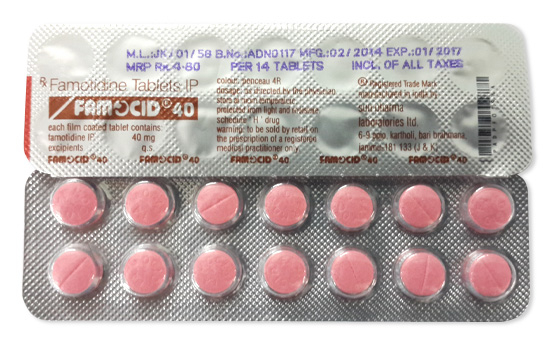
Pepcid
- In our pharmacy in Canada you can buy pepcid (famotidine) without a prescription for OTC strengths (typically 10–20 mg); higher strengths (40 mg) and liquid formulations may require a prescription—shipping Canada-wide with discreet packaging is available.
- Pepcid is used to treat heartburn, gastro‑oesophageal reflux disease (GERD), and peptic ulcers and to reduce excess stomach acid; it is a histamine H2‑receptor antagonist that blocks H2 receptors on gastric parietal cells, decreasing acid secretion.
- Usual adult doses: 20 mg twice daily for heartburn/GERD; 20 mg twice daily or 40 mg once daily for duodenal/gastric ulcers; 40 mg once daily for some ulcer regimens; Zollinger‑Ellison dosing is individualized (20–160 mg every 6 hours). Dose adjustments are required in renal impairment and for children by weight.
- Administered orally: available as tablets (10, 20, 40 mg), chewable tablets, orally disintegrating tablets, and powder for suspension (reconstituted as a liquid).
- Onset of action is typically within 30–60 minutes, with relief for acute heartburn often noticed within an hour.
- Duration of action is usually up to about 10–12 hours for acid suppression, which is why many regimens use twice‑daily dosing.
- Avoid excessive alcohol while using pepcid, as alcohol can worsen stomach irritation and may increase side effects; consult your healthcare provider about alcohol use if you have liver disease or other concerns.
- The most common side effect is headache; other relatively common effects include dizziness, constipation, diarrhea and fatigue.
- Would you like to try pepcid without a prescription?

Instructions And Warnings For Canadian Patients
Basic Pepcid Information
- INN (International Nonproprietary Name): famotidine
- Brand Names Available In Canada (English): not specified
- ATC Code: A02BA03 (Histamine H2-receptor antagonists)
- Forms & Dosages: Tablets 10 mg, 20 mg, 40 mg; Chewable tablets 10 mg, 20 mg; Orally disintegrating tablets 20 mg; Powder for suspension 40 mg/5 mL (powder for reconstitution, Rx only)
- Manufacturers In Canada (English): not specified
- Registration Status In Canada (English): not specified
- OTC / Rx Classification: Lower strengths (10–20 mg) commonly available OTC in many markets; 40 mg tablets and suspensions are often Rx-only
Read this before using famotidine (Pepcid).
If you have kidney disease, are pregnant or breastfeeding, or take other prescriptions, speak with a pharmacist or prescriber before starting famotidine.
Store tablets below 25°C in a dry place away from light.
Liquid suspensions are typically Rx-only and may have specific refrigeration or reconstitution instructions on the label; follow those directions exactly.
Lower-strength famotidine (10–20 mg) is commonly available over the counter in many countries, while 40 mg tablets and suspensions are often prescription-only; check Health Canada and DIN status before importing products.
When buying, look for a clear Drug Identification Number (DIN) on the package to confirm Health Canada approval where applicable.
Quick Purchase Checklist:
- Confirm INN: famotidine
- Check strength (10/20/40 mg) and formulation (tablet, chewable, ODT, suspension)
- Verify DIN on the label or ask the pharmacist
- Bring renal function results if you have kidney disease
Storage Table:
| Form | Storage | Notes |
|---|---|---|
| Tablets / Chewables / ODT | Store below 25°C, dry, away from light | Keep in original packaging; chewables should be chewed fully |
| Powder For Suspension / Liquid | Follow label; many are Rx-only and have reconstitution/refrigeration instructions | Avoid freezing; transport with care |
Everyday Use & Best Practices
Morning Vs Evening Dosing In Canadian Routines
Do you wonder whether to take famotidine in the morning or at night?
Timing depends on the reason you are taking it and your daily routine.
For episodic heartburn, 10–20 mg as needed is common and can be taken when symptoms appear.
For GERD or ulcer regimens, typical schedules include 20 mg twice daily or 40 mg once daily at bedtime for gastric ulcer therapy.
If you work shifts or keep irregular hours, set a consistent 12-hour interval for twice-daily dosing and use phone alarms to keep doses even.
Taking With Or Without Meals (Canadian Diet Context)
Does eating a spicy poutine or big family meal change how you should take it?
Famotidine can be taken with or without food, making it convenient around typical Canadian meals.
For predictable post-meal heartburn, taking 20 mg about 30–60 minutes before a heavy or trigger meal can reduce symptoms.
For ulcer bedtime dosing, take the dose at night to reduce nocturnal acid production and discomfort.
Chewable tablets should be chewed fully and ODTs allowed to dissolve on the tongue.
- As-needed heartburn: 10–20 mg at symptom onset
- GERD: 20 mg twice daily (about 12 hours apart)
- Ulcer therapy: 40 mg once nightly for gastric ulcer
- Shift-workers: keep 12-hour spacing for twice-daily regimens
| Use | Typical Dose | Timing Notes |
|---|---|---|
| As-Needed Heartburn | 10–20 mg | Take at symptom onset or 30–60 minutes before trigger meals |
| Scheduled GERD/Ulcer | 20 mg twice daily or 40 mg once daily | Use regular dosing; bedtime dosing for ulcers preferred |
Safety Priorities
Who Should Avoid It (Health Canada Advisories)
Are there people who should not take famotidine?
Do not use famotidine if you have a known allergy to famotidine or other H2 blockers such as ranitidine, cimetidine, or nizatidine.
Caution is advised for patients with severe renal or hepatic impairment; dose reduction or monitoring may be required.
Older adults should have dose adjustments based on renal function, as accumulation increases risk of adverse effects.
Pregnant or breastfeeding patients should use famotidine only if clearly needed and after discussion with a clinician.
Activities To Limit (Driving, Workplace Safety)
Can famotidine affect your ability to drive or operate machinery?
Common side effects include dizziness or headache, so avoid driving or operating heavy machinery until you know how famotidine affects you.
In safety-sensitive work such as construction or commercial driving, document medication use on occupational health forms if required.
If confusion, fainting, or severe dizziness occurs, stop the drug and seek urgent medical care.
- Red flags: severe dizziness, fainting, confusion, severe allergic reaction
- Reportable symptoms: new irregular heartbeat, fainting, sudden severe dizziness
| Symptom | Action |
|---|---|
| Dizziness | Avoid driving or operating machinery; seek advice |
Dosage & Adjustments
General Regimen (DIN References)
What dose should you expect for common conditions?
Standard adult regimens: GERD commonly 20 mg twice daily; duodenal ulcer 20 mg twice daily or 40 mg once daily; gastric ulcer 40 mg once daily at bedtime.
Prevention dosing may be 20 mg once daily depending on indication.
Confirm the product DIN on the package in Canada and follow pharmacist counselling at national chains such as Shoppers Drug Mart, Rexall, London Drugs, or Jean Coutu.
Special Cases (Elderly, Comorbidities)
How do kidney, liver, age, and other conditions change dosing?
Reduce dose when creatinine clearance is below 50 mL/min — typically by halving dose or increasing dosing interval as advised by the prescriber.
Elderly patients should start at lower doses and be monitored for accumulation and CNS effects.
Severe hepatic impairment requires monitoring for central nervous system side effects.
| Indication | Adult Dose | Renal Adjustment |
|---|---|---|
| Duodenal Ulcer | 20 mg twice daily or 40 mg once daily | Reduce dose if CrCl <50 mL/min (e.g., halve dose) |
| Gastric Ulcer | 40 mg once daily (bedtime) | Reduce dose or frequency with renal impairment |
DIN Checklist For Canadian Packaging:
- Look for Drug Identification Number (DIN)
- Confirm strength and formulation match prescriber directions
- Ask pharmacist for renal dosing advice if you have kidney disease
User Testimonials
Positive Reports From Canadian Patients
Does famotidine actually help Canadians with heartburn?
Many users report quick symptomatic relief for episodic heartburn with famotidine 10–20 mg or Pepcid AC chewables, particularly for night-time acid and meal-triggered reflux.
Customers value OTC access at Shoppers Drug Mart and pharmacist counselling at national chains for dosing clarification.
Some patients combine famotidine with antacids for breakthrough symptoms and find reasonable symptom control for mild-to-moderate reflux.
Common Challenges In Forums (Reddit Canada, Health Boards)
What do online communities discuss about famotidine in Canada?
Frequent complaints include confusion between OTC and Rx strengths, inconsistent bilingual labelling in some provinces, patchy rural pharmacy stock, and variable provincial coverage like ODB, BC PharmaCare, and RAMQ.
Cross-border pricing and availability in the U.S. are regular topics, with advice to see a GP if symptoms persist beyond two weeks or alarm features appear.
- Positive Outcomes: rapid relief for episodic heartburn, convenient chewables, helpful pharmacist advice
- Common Issues: dosing confusion, stock variability, provincial coverage differences
When To Seek Care Checklist:
- Symptoms lasting more than two weeks despite treatment
- Alarm signs: weight loss, vomiting blood, black stools
Buying Guide
Pharmacy Sources (Shoppers, Rexall, Jean Coutu, London Drugs)
Where can Canadians buy famotidine?
Famotidine products are sold at national chains such as Shoppers Drug Mart, Rexall, London Drugs, Jean Coutu, independent pharmacies, and online pharmacy services.
Check the package for a DIN to confirm Health Canada approval when buying in Canada.
OTC lower strengths (10–20 mg) are commonly available; 40 mg tablets and suspensions may require a prescription.
Price Comparison (In-Store Vs Online, Cross-Border Notes)
What about price and cross-border options?
In-store prices vary by region and outlet; generic famotidine is typically cheaper than branded Pepcid.
Online pharmacies may offer lower unit prices but consider shipping, potential cold-chain needs for liquids, and delivery times.
Cross-border: Pepcid AC is widely OTC in the U.S., and some Canadians buy there, but importing large quantities can breach regulations; always verify DIN and provincial pharmacy policy before import.
Note: our online pharmacy offers pepcid without a prescription with discreet delivery to Canada in 5-14 days.
| Source | Typical Price | Notes |
|---|---|---|
| In-Store (National Chains) | Variable | Immediate pickup; pharmacist counselling available |
| Online Pharmacies | Often lower unit price | Watch shipping and handling for liquids |
| United States Retail | Often lower for OTC 10–20 mg | Check import rules and DIN equivalence |
Safe Online Purchase Checklist:
- Confirm DIN or reputable manufacturer listing
- Check expiry date and storage requirements
- Prefer licensed Canadian pharmacies for easier returns and counselling
What’s Inside & How It Works
Ingredients Overview
What exactly is in a Pepcid tablet or generic famotidine product?
The active ingredient is famotidine (INN), with excipients varying by formulation and manufacturer.
Formulations include tablets, chewables, orally disintegrating tablets, and powder for suspension; check the label for sugars, flavours, or allergen warnings important for diabetics or those with allergies.
Some over-the-counter packs combine famotidine with antacid components; read package claims closely to know what you are taking.
Mechanism Basics
How does famotidine reduce heartburn?
Famotidine is an H2-receptor antagonist that blocks histamine H2 receptors on stomach parietal cells, reducing gastric acid secretion and helping heal ulcers and relieve reflux symptoms.
Compared with proton-pump inhibitors, H2 blockers usually act faster for short-term relief but may be less effective for severe erosive GERD.
| Feature | H2 Blockers (Famotidine) | PPIs (Omeprazole) |
|---|---|---|
| Onset | Faster relief for symptoms | Slower onset |
| Duration | Intermediate | Longer, stronger suppression |
| Typical Use | Mild-to-moderate heartburn, nocturnal acid | Severe or erosive GERD, mucosal healing |
Main Indications
Approved Uses In Canada
What conditions is famotidine approved to treat?
Famotidine is used for symptomatic relief of heartburn and GERD, treatment and prevention of gastric and duodenal ulcers, and for conditions requiring acid suppression such as Zollinger–Ellison syndrome with individualized dosing.
Health Canada-approved indications depend on product labelling and DIN; always consult the package and pharmacist.
Off-Label Uses By Canadian Physicians
How do clinicians sometimes use famotidine beyond the label?
Canadian clinicians may use famotidine for stress-ulcer prophylaxis in hospital settings, for low-intensity reflux control when PPIs are contraindicated, or as an adjunct with antacids for breakthrough symptoms.
Typical treatment timelines: ulcer therapy 6–8 weeks and GERD 6–12 weeks, with prevention dosing ongoing only if clinically indicated.
- Approved: Heartburn/GERD, gastric and duodenal ulcer treatment and prevention, individualized dosing for Zollinger–Ellison
- Off-Label: Stress-ulcer prophylaxis in select hospitalized patients, adjunct therapy for breakthrough symptoms
| Condition | Typical Duration |
|---|---|
| Duodenal/Gastric Ulcer | 6–8 weeks |
| GERD | 6–12 weeks |
Interaction Warnings
Food Interactions (Alcohol, Caffeine)
Will food or drink change how famotidine works?
Famotidine has minimal direct food interactions, and alcohol does not reduce its acid-suppressing effect.
However, alcohol and caffeine can worsen reflux symptoms and reduce perceived benefit from treatment, so tracking triggers is helpful.
Drug Conflicts (Health Canada Database)
Which medicines interact with famotidine?
Famotidine has fewer interactions than cimetidine, but caution is warranted with drugs cleared renally or drugs that affect the QT interval.
Always check Health Canada’s product monograph or interaction database for specific combinations and consult your pharmacist when on multiple medications including anticoagulants or antiarrhythmics.
- Common interacting classes: drugs with renal clearance concerns, QT-prolonging agents
- Lower interaction risk than cimetidine, but review all prescriptions and OTCs
When You Talk To Your Pharmacist Checklist:
- Provide a full list of prescription, OTC, and herbal medicines
- Mention kidney or liver disease and any cardiac history
- Ask about timing when using antacids or other acid-suppressing products
Latest Evidence & Insights
What does recent research say about famotidine?
Recent literature supports famotidine’s effectiveness for mild-to-moderate heartburn and as part of ulcer management, with PPIs remaining superior for severe erosive disease.
Canadian guidelines emphasise tailoring therapy to disease severity and individual patient risk, including renal function and comorbidities.
Smaller studies examine famotidine for stress-ulcer prophylaxis in hospital settings, but practice varies by institution and formulary.
| Study Type | Finding | Canadian Applicability |
|---|---|---|
| Randomized Trials | Effective for symptom relief and ulcer healing in mild-moderate disease | Supports OTC use for episodic heartburn; follow product monograph |
| Observational / Hospital Studies | Variable use for stress-ulcer prophylaxis; institutional variation | Check local hospital formulary and guidelines |
Safety Signals:
Rare central nervous system effects have been reported in renal impairment; monitor renal function and adjust dosing accordingly.
Confirm Health Canada monograph and DIN listing for marketed products when available.
Alternative Choices
What are practical alternatives to famotidine for acid control?
Proton-pump inhibitors such as omeprazole or esomeprazole offer stronger, longer-lasting acid suppression and are preferred for erosive GERD and mucosal healing.
Other H2 blockers like ranitidine have been withdrawn or restricted in many markets, while cimetidine remains an option but has more drug interactions.
Antacids and alginate formulations provide rapid, short-lived symptom relief and may be useful for immediate relief.
| Agent | Pros | Cons |
|---|---|---|
| Famotidine | Faster onset for symptomatic relief, OTC options, fewer interactions than cimetidine | Less effective than PPIs for severe erosive disease |
| PPIs | Stronger acid suppression and mucosal healing | Slower onset, more long-term safety considerations |
| Antacids / Alginate | Immediate relief | Short duration |
Decision Checklist For Patients:
- Mild episodic heartburn: consider famotidine or antacid
- Frequent/severe reflux or erosive disease: consider PPI after clinical review
- Multiple medications: famotidine may be preferred over cimetidine due to fewer interactions
Regulation Snapshot
Health Canada Approval And DIN Requirements
How is famotidine regulated in Canada?
Products marketed in Canada should display a Drug Identification Number (DIN) and comply with the product monograph where applicable.
Some strengths and formulations may be available over the counter while others are prescription-only; verify the label and DIN.
Provincial Formulary Notes
Does public coverage apply?
Provincial public drug plans differ in coverage; Ontario Drug Benefit, BC PharmaCare, and RAMQ list varying formularies and reimbursement criteria.
Hospitals and regional authorities may have preferred generic famotidine on their formularies; check the local pharmacy or provincial website for specific coverage rules.
| Check | What To Bring |
|---|---|
| Provincial Coverage Lookup | DIN (if available) and provincial health card |
- Bring DIN and provincial card when asking about coverage
- Ask the pharmacist to check formulary and coverage rules
FAQ Section
Can I Buy Pepcid Over The Counter In Canada?
Some lower strengths (10–20 mg) may be available OTC; 40 mg tablets or suspensions often require a prescription, so check the DIN and pharmacy stock.
Is Famotidine Safe If I Have Kidney Disease?
Use caution — dose reduction is commonly needed for creatinine clearance below 50 mL/min; consult your prescriber or pharmacist and bring recent renal function results.
How Long Until Famotidine Works For Heartburn?
Many patients notice relief within 30–60 minutes when used for symptomatic dosing; for ulcer healing follow prescribed 6–8 week courses.
Can I Take Famotidine With My Other Meds?
Famotidine has fewer interactions than some H2 blockers but always review all medicines with your pharmacist — provide a full list including OTCs and supplements.
What To Tell Your Pharmacist Checklist:
- All prescription and OTC medicines
- Any kidney or liver problems
- Pregnancy or breastfeeding status
For the official product monograph and interaction details, refer to the Health Canada product monograph where available.
Guidelines For Proper Use
Canadian Pharmacist And Provincial Health Authority Recommendations
What should pharmacists check when counselling about famotidine?
Pharmacists should confirm indication, check renal function, review other medications and allergies, and ensure the correct strength and DIN is supplied.
Provincial authorities recommend follow-up for persistent symptoms beyond recommended trial periods (for example, more than two weeks for episodic heartburn).
Practical Counselling Points (Bilingual Labelling, Rural Access)
How do practical issues affect Canadian patients?
Advise patients on bilingual labelling expectations, bring provincial health card to claim coverage, and for rural patients consider mail-order or long-distance delivery options from national chains.
Recommend safe disposal of unused medicines according to municipal household hazardous waste guidelines.
Pharmacy Counselling Checklist:
- Confirm indication and duration
- Check renal function and adjust dose if necessary
- Warn about dizziness and when to seek urgent care
- Set a follow-up timeline based on indication
| Indication | Follow-Up Timeline |
|---|---|
| Episodic Heartburn | Review if symptoms persist >2 weeks |
| Ulcer Or GERD | Follow up at 6–12 weeks as appropriate |
Delivery Across Canada (English)
| City | Region | Delivery time |
|---|---|---|
| Toronto | Ontario | 5-7 days |
| Montreal | Quebec | 5-7 days |
| Vancouver | British Columbia | 5-7 days |
| Calgary | Alberta | 5-7 days |
| Edmonton | Alberta | 5-7 days |
| Ottawa | Ontario | 5-7 days |
| Winnipeg | Manitoba | 5-7 days |
| Quebec City | Quebec | 5-7 days |
| Hamilton | Ontario | 5-7 days |
| London | Ontario | 5-9 days |
| Halifax | Nova Scotia | 5-9 days |
| Victoria | British Columbia | 5-9 days |
| Saskatoon | Saskatchewan | 5-9 days |
| Regina | Saskatchewan | 5-9 days |
| St. John’s | Newfoundland and Labrador | 5-9 days |