Imodium
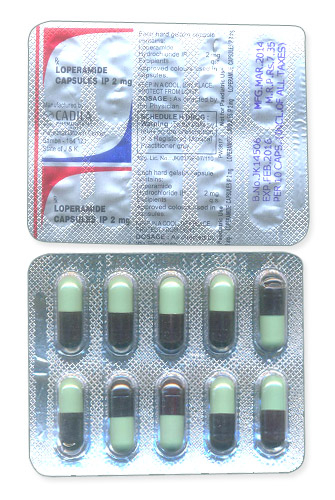
Imodium
- You can buy imodium over the counter in pharmacies across Canada without a prescription; it is widely available OTC in many countries and also sold online with home delivery—certain pediatric, high‑dose or special formulations may require local prescription rules.
- Imodium is used for acute nonspecific diarrhoea (adults and children ≥2 years), chronic diarrhoea including IBS‑related diarrhoea, and to reduce ileostomy discharge. It works as a peripheral μ‑opioid receptor agonist in the gut to slow intestinal motility and increase fluid absorption, with minimal central opioid effects at recommended doses.
- Usual dosage: Adults — 4 mg initially then 2 mg after each loose stool (maximum 16 mg/day). Children 2–12 years — typically 2 mg initially then 1 mg after each loose stool (maximum about 6 mg/day depending on age/weight); contraindicated under 2 years. For chronic diarrhoea start low (e.g. 4 mg/day) and titrate as needed under medical supervision.
- Forms of administration: oral tablets (2 mg), capsules (2 mg), oral solution (1 mg/5 mL), and orally disintegrating films (2 mg).
- Onset time: usually begins to work within about 1 hour, with noticeable symptomatic relief commonly within 1–2 hours.
- Duration of action: effects may persist up to 24 hours; dosing is adjusted based on stool frequency and clinical response.
- Alcohol warning: avoid excessive alcohol while treating diarrhoea—alcohol can worsen dehydration and may increase side effects; use caution combining imodium with alcohol or with strong CYP3A4/CYP2C8 or P‑glycoprotein inhibitors which can raise drug levels.
- The most common side effect is constipation; other common effects include abdominal cramps, nausea and flatulence; rare but serious risks include severe constipation/toxic megacolon and cardiac arrhythmias in overdose.
- Would you like to try imodium without a prescription?

Basic Imodium Information
- INN (International Nonproprietary Name): Loperamide
- Brand Names Available In Canada (English): Imodium; generic loperamide marketed by Perrigo, Teva and other suppliers; Imodium oral solution (1 mg/5 mL) and 2 mg tablets/capsules are the common trade presentations.
- ATC Code: A07DA03
- Forms & Dosages: Tablets 2 mg; Capsules 2 mg; Oral Solution 1 mg/5 mL; Orally Disintegrating Film 2 mg.
- Manufacturers In Canada (English): Johnson & Johnson (brand holder worldwide), ratiopharm, Perrigo, Teva and various regional manufacturers or generic suppliers.
- Registration Status In Canada (English): Not specified
- OTC / Rx Classification: OTC (Over-The-Counter) in most countries for adults and older children; prescription status may apply for some paediatric versions or different local rules.
Instructions & Warnings (Start Here For Canadian Patients):
Read Health Canada labelling and your pharmacist’s advice before use.
Keep Imodium (INN: loperamide) out of reach of children.
Do not use for bloody diarrhoea, high fever, suspected C. difficile, acute dysentery, or unexplained abdominal pain without a clinical review.
For travel packs, carry standard doses: tablets are commonly 2 mg and oral solution 1 mg/5 mL.
Include a small disposal bag for used tissues or packaging in your travel pouch.
If symptoms persist longer than 48 hours or you develop severe abdominal pain, fever, or blood in stool, seek medical care promptly.
Provincial differences exist for paediatric age cutoffs; children under 2 years are contraindicated.
Quick travel checklist:
- 2–6 of 2 mg tablets in carry-on
- Small bottle of oral solution (1 mg/5 mL) if needed for children or vomiting
- Oral rehydration salts
- Symptom warning card with red flags (fever, blood, severe pain)
Morning Vs Evening Dosing In Canadian Routines
Worried about whether to take imodium in the morning or at night?
For acute adult diarrhoea the usual regimen is 4 mg initially (two 2 mg tablets), then 2 mg after each loose stool up to 16 mg per day.
If symptoms start in the morning take the initial dose and allow an hour to see if the diarrhoea settles before leaving the house.
Evening dosing follows the same dosing rule, but avoid heavy late meals if you tend to become constipated after treatment.
Many Canadians find taking imodium with breakfast or a light snack reduces minor stomach upset.
Loperamide may be taken with or without food, so flexibility fits most daily routines.
The oral solution (1 mg/5 mL) is handy when solid food isn’t tolerated or for dose-splitting in children per product labelling.
- Travel pouch checklist: 4–6 × 2 mg tablets, 30–60 mL oral solution, small disposal bag, rehydration sachet.
Taking With Or Without Meals (Canadian Diet Context)
Concerned that your maple-glazed breakfast or late poutine will change how the medicine works?
Loperamide can be taken with or without food, so normal Canadian meal patterns do not require dose timing changes.
If you have a sensitive stomach take your dose after a light snack in the morning to minimise nausea.
Avoid combining treatment with large alcoholic meals when you are dehydrated or already constipated.
The oral liquid form is useful when vomiting or reduced appetite means tablets aren’t practical.
Monitor bowel movement frequency after a dose and delay non-essential activities for an hour when first testing response.
- Tip: If you commonly experience constipation on imodium, take smaller evening meals and hydrate well.
Who Should Avoid It (Health Canada Advisories)
Do you or your child fall into a high-risk group for imodium use?
Health Canada and product monographs list absolute contraindications such as children under 2 years, known hypersensitivity, acute dysentery, acute ulcerative colitis, invasive bacterial enterocolitis and suspected C. difficile.
Avoid loperamide if you have abdominal pain without diarrhoea or have bloody stools and a high fever.
Use caution in severe hepatic impairment as reduced metabolism may increase exposure and risk.
People with known cardiac conduction problems or those taking QT‑prolonging drugs should consult a pharmacist before use because high or misused doses have been linked to arrhythmias.
- Do Not Use If: under 2 years, bloody stool, high fever, known allergy to loperamide or excipients.
Activities To Limit (Driving, Workplace Safety)
Worried about safety on the commute or at work after taking imodium?
Most people remain alert at recommended doses, but dizziness and tiredness are reported in some cases.
If you feel drowsy, dizzy or light‑headed after taking loperamide, avoid driving or operating heavy machinery until you are certain you are alert.
Workers in safety‑sensitive roles should confirm they are fully clear-headed before resuming duties.
Avoid alcohol while dehydrated or experiencing constipation to reduce added CNS and dehydration risk.
- Workplace checklist: delay driving for an hour after first dose, report dizziness to a pharmacist, avoid alcohol if unwell.
General Regimen (DIN References)
Looking for the standard dosing to keep on hand?
Adult dosing for acute diarrhoea is 4 mg initially, then 2 mg after each loose stool, not exceeding 16 mg per day.
Pediatric dosing is lower and varies by product monograph—commonly 2 mg initially then 1 mg after each loose stool with a maximum around 6 mg/day depending on age and weight.
Available forms in Canada include 2 mg tablets/capsules and oral solution 1 mg/5 mL, which allow dose adjustment.
Product packaging in Canada should display a Drug Identification Number (DIN) for authenticity—check the label before use.
- Quick table: Adult: 4 mg then 2 mg prn (max 16 mg/day). Child (age‑dependent): lower doses per DIN and label.
Special Cases (Elderly, Comorbidities)
Is it safe for seniors or people with medical conditions?
Elderly patients typically do not need formal dose reductions but should be monitored for constipation and ileus.
Use lower end of dosing in hepatic impairment because reduced metabolism can increase loperamide exposure.
No specific renal dose adjustment is generally required since elimination is mainly fecal.
For chronic diarrhoea or IBS‑D, clinicians may begin at 4 mg/day and titrate to effect under supervision.
- Special precautions: review liver disease, concurrent QT‑prolonging drugs, and possible drug interactions with a pharmacist.
Positive Reports From Canadian Patients
Want to know what real Canadians say about imodium?
Many patients report rapid symptom relief after one or two doses, especially for non‑infectious or travel‑related diarrhoea.
Users praise the convenience of 2 mg tablets and the flexibility of the oral solution for children or people who can’t swallow pills.
People with ileostomies often report predictable control of output when doses are titrated carefully with a clinician.
- What Patients Say: fast relief, handy travel size, oral solution useful for children, reduces work/flight disruptions.
Common Challenges In Forums (Reddit Canada, Health Boards)
Curious about the downsides people discuss online?
Community posts note imodium is less effective for infectious diarrhoea and that misuse risks include constipation and cramps.
Some Canadians express confusion about paediatric age cutoffs and differences between domestic and U.S. pack sizes.
Concerns also appear about C. difficile after antibiotics, where loperamide is contraindicated until assessed by a clinician.
- Red Flags From Users: no improvement within 48 hours, new fever, severe abdominal pain, or bloody stool — stop treatment and seek care.
Pharmacy Sources (Shoppers, Rexall, Jean Coutu, London Drugs)
Where do Canadians typically buy imodium?
Imodium and generic loperamide (suppliers include Perrigo, Teva, Apotex) are widely available OTC at national chains such as Shoppers Drug Mart, Rexall, Jean Coutu and London Drugs.
Independent community pharmacies and online retailers also stock 2 mg tablets and 1 mg/5 mL oral solution.
Pharmacists at these chains can provide counselling and prepare small travel‑dose packs on request.
- Buying checklist: check DIN on the label, compare brand vs generic price, ask pharmacist about paediatric guidance.
Price Comparison (In-Store Vs Online, Cross-Border Notes)
Looking to save a few dollars on imodium?
Generic loperamide is usually cheaper than brand Imodium, and buying multi‑packs in-store often reduces unit cost compared with single convenience packs online.
Cross‑border shopping to the U.S. can show different pack options but be mindful of customs and Health Canada import rules.
Rural patients often rely on local pharmacists for substitution and price advice.
- Safe Online Purchase Checklist: verify DIN, check expiry dates, confirm seller reviews, and prefer Canadian pharmacies for import simplicity.
Ingredients Overview
What exactly is inside an imodium product?
The active ingredient is loperamide, typically as loperamide hydrochloride, at 2 mg per tablet or 1 mg per 5 mL in oral solution.
Inactive ingredients vary by manufacturer and may include binders, fillers and flavours in liquids—check the product monograph if you have sensitivities.
Different brands (Imodium, generics, Loperamid‑ratiopharm®) may use different excipients.
- Active: loperamide (as loperamide hydrochloride). Common inactive: fillers, binders, flavouring agents in liquids.
Mechanism Basics
How does loperamide stop diarrhoea without making you feel high?
Loperamide is a peripheral μ‑opioid receptor agonist in the gut that slows intestinal motility and increases transit time, reducing stool frequency and liquidity.
At recommended doses it has minimal central nervous system activity because it is excluded from the brain by P‑glycoprotein transporters.
Overdose or interactions that increase systemic levels can produce central or cardiac effects, so follow labelled doses and pharmacist advice.
- Simple Schematic: binds gut μ‑opioid receptors → reduces peristalsis → increases fluid absorption → firmer stools and fewer bowel movements.
Approved Uses In Canada
When is imodium an appropriate choice?
Approved indications include acute nonspecific diarrhoea in adults and children above product‑specified ages, chronic diarrhoea in adults, and reduction of ileostomy discharge.
It is not suitable for bloody diarrhoea, fever with systemic signs, invasive bacterial diarrhoea or suspected C. difficile infection.
- When To Use: symptomatic control of non‑infectious diarrhoea, short courses for traveller’s diarrhoea without systemic signs.
Off-Label Uses By Canadian Physicians
Do doctors ever use imodium for other reasons?
Off‑label uses sometimes include targeted flare control for IBS‑D and supervised longer‑term titration for chronic diarrhoea when alternative strategies have failed.
For ileostomy management clinicians titrate doses to output and monitor electrolytes.
- When Not To Use: bloody stools, high fever, suspected invasive infection — seek medical care instead.
Food Interactions (Alcohol, Caffeine)
Will your morning coffee or an evening glass of wine interfere with imodium?
Loperamide may be taken with or without food and caffeine has no major direct pharmacological interaction, though caffeine can stimulate bowel activity and reduce the drug’s subjective effect.
Avoid alcohol when dehydrated or constipated because it can worsen dizziness and overall dehydration risk.
- Practical Tip: hydrate with water or oral rehydration solutions and avoid excess alcohol while unwell.
Drug Conflicts (Health Canada Database)
Which medicines can raise loperamide levels or add cardiac risk?
Co‑administration with strong CYP3A4 or CYP2C8 inhibitors and P‑glycoprotein inhibitors (for example some azole antifungals, macrolide antibiotics, and certain antivirals) can increase systemic loperamide concentrations and raise cardiac risk.
Combining loperamide with QT‑prolonging drugs or antiarrhythmics may increase arrhythmia risk—consult a pharmacist for a medication review.
| Interacting Drug Class | Examples | Recommended Action |
|---|---|---|
| Strong CYP3A4 inhibitors | Some azole antifungals | Consult pharmacist; avoid or monitor |
| P‑glycoprotein inhibitors | Certain antivirals, macrolides | Consult pharmacist; avoid high doses |
| QT‑prolonging drugs | Some antiarrhythmics, antipsychotics | Review cardiac risk with prescriber |
Highlight Canadian And International Research
What does the latest evidence say about safety and use?
Research supports loperamide as effective for symptomatic relief of non‑infectious diarrhoea and for traveller’s diarrhoea when combined with rehydration.
Regulatory advisories and case reports have highlighted cardiac risks with misuse or very high doses and with interacting medicines, prompting packaging recommendations to limit overdose risk.
For IBS‑D some trials demonstrate benefit for stool frequency, but chronic use should be supervised by specialists.
| Topic | Key Finding |
|---|---|
| Acute diarrhoea | Effective symptom control when used short‑term with rehydration |
| Safety | Cardiac risk documented with overdose and certain drug interactions |
- Practical Takeaway: prioritise rehydration, stop use and seek care if fever, bloody stools, severe pain or no improvement within 48 hours.
List Of Comparable Medicines With Pros/Cons Checklist
Looking for alternatives to imodium?
Diphenoxylate/atropine (Lomotil) is a prescription antidiarrheal with central opioid potential and more side effects.
Bismuth subsalicylate (Pepto‑Bismol) is OTC and useful for traveller’s diarrhoea but has aspirin‑like effects and is not for children with viral illnesses.
Racecadotril (Hydrasec) is an antisecretory agent available in some markets and may be preferred in specific clinical situations.
- Pros/Cons Checklist: imodium = fast motility reduction, OTC; bismuth = antisecretory/antimicrobial effects, avoid in children with aspirin allergy; diphenoxylate = Rx, more CNS effects.
Non-Drug Options (Hydration, Probiotics)
When should you reach for water or a probiotic instead of pills?
Oral rehydration solutions are the foundation of diarrhoea care and should accompany any antidiarrheal treatment.
Probiotics can reduce duration and severity in some infectious diarrhoeas, but benefits vary by strain and situation.
Dietary measures such as light, bland meals and avoiding lactose for a short period can help recovery.
- Non‑Drug Checklist: oral rehydration salts, bland diet, probiotics as adjunct, zinc only per clinician advice in special cases.
Health Canada Approval And DIN Requirements
How is imodium regulated in Canada?
Loperamide products are marketed OTC in many countries and product labels should display a Drug Identification Number (DIN) to indicate regulatory listing or approval.
Check the DIN on packaging to confirm authenticity and consult the product monograph for age restrictions.
Regulatory notes internationally have encouraged limiting unit‑dose blister packaging to reduce overdose risk.
- Regulatory Tip: look for a DIN and read age‑specific guidance before giving to children.
Provincial Coverage And Pharmacy Rules (OTC Vs Rx For Kids)
Does public drug coverage pay for imodium?
Provincial drug plans such as Ontario Drug Benefit, BC PharmaCare and RAMQ generally do not fund routine OTC antidiarrhoeals, though exceptions exist.
Age recommendations can vary by product monograph and some paediatric formulations may be restricted or require pharmacist review.
- Coverage Note: confirm provincial rules and ask your community pharmacist about substitutions and paediatric guidance.
Can I Take Imodium For Traveller’s Diarrhoea?
Yes, imodium is suitable for symptomatic relief of non‑febrile, non‑bloody traveller’s diarrhoea when combined with rehydration.
Seek medical care if you have fever, bloody stools, severe abdominal pain, or if symptoms do not improve within 48 hours.
Is It Safe For Seniors?
Seniors can generally use loperamide at recommended doses but should be monitored for constipation, ileus and interactions.
Review liver function and current medications with your pharmacist to reduce risk.
Can Children Use Imodium?
Children under 2 years are contraindicated.
Dosing for ages 2–12 is reduced and depends on product monograph and weight—consult a pharmacist or paediatrician before use.
What About Pregnancy Or Breastfeeding?
Data in pregnancy and breastfeeding are limited; many clinicians consider loperamide when benefits outweigh risks but recommend consultation with an obstetric provider or pharmacist.
- Red Flags Requiring Immediate Care: fever, bloody stool, severe abdominal pain, signs of dehydration, symptoms lasting >48 hours.
Canadian Pharmacist And Provincial Health Authority Recommendations
Follow product labelling and advice from your pharmacist before taking imodium.
Provincial health authorities advise stopping loperamide and seeking urgent care for high fever, bloody stools, severe or worsening abdominal pain, or if no improvement within 48 hours.
Practical Checklist For Disposal, Storage, When To Seek Urgent Care
Store imodium at room temperature below 25°C, protect from moisture and heat, and do not freeze oral liquids.
Dispose of unused or expired medicine through community pharmacy take‑back programs — do not flush.
In suspected overdose—especially in children—seek emergency care immediately because cardiac and CNS effects can occur.
- Practical Checklist: confirm age‑appropriate product (check DIN), pack rehydration salts, avoid alcohol, review interacting medications, record doses to prevent double dosing.
Ordering And Access
Imodium is available without a prescription at many Canadian pharmacies and via our online pharmacy with discreet delivery to Canada (English) in 5–14 days.
When ordering online, verify the DIN, check expiry dates and use a licensed Canadian pharmacy when possible.
Delivery Across Canada (English)
| City | Region | Delivery Time |
|---|---|---|
| Toronto | Ontario | 5–7 days |
| Montreal | Quebec | 5–7 days |
| Vancouver | British Columbia | 5–7 days |
| Calgary | Alberta | 5–7 days |
| Edmonton | Alberta | 5–7 days |
| Ottawa | Ontario | 5–7 days |
| Winnipeg | Manitoba | 5–7 days |
| Quebec City | Quebec | 5–7 days |
| Halifax | Nova Scotia | 5–9 days |
| Victoria | British Columbia | 5–9 days |
| Saskatoon | Saskatchewan | 5–9 days |
| Regina | Saskatchewan | 5–9 days |
| Hamilton | Ontario | 5–7 days |
| Kitchener | Ontario | 5–7 days |
| London | Ontario | 5–9 days |