
Lisinopril
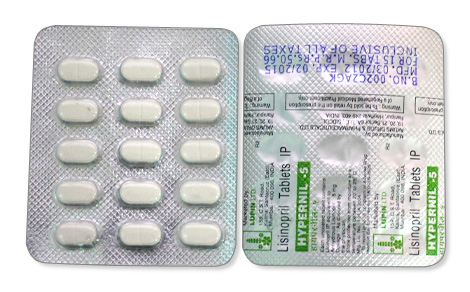
Lisinopril
- Lisinopril is a prescription-only medicine in Canada and most countries; it should be obtained from a licensed pharmacy with a valid prescription and used under medical supervision—if a pharmacy offers it without a prescription this is not recommended and may be illegal.
- Lisinopril is used for hypertension, heart failure, post‑myocardial infarction care and diabetic nephropathy; it is an ACE inhibitor that blocks angiotensin‑converting enzyme, reducing angiotensin II formation, lowering blood pressure and cardiac workload.
- Typical dosages: hypertension start 10 mg daily (maintenance 20–40 mg daily, max 40 mg); heart failure start 2.5–5 mg daily, titrate up to 40 mg; post‑MI often 5 mg then 10 mg daily as tolerated; diabetic nephropathy commonly 10–20 mg daily up to 40 mg—dosing must be individualized and renal function monitored.
- Administered orally as tablets (commonly 2.5, 5, 10, 20, 30, 40 mg) or as an oral solution (1 mg/mL, Qbrelis); combination tablets with hydrochlorothiazide or amlodipine are also available.
- Onset of antihypertensive effect is usually within about 1 hour after an oral dose, with more noticeable effects over the first few hours.
- The antihypertensive effect generally lasts about 24 hours, which permits once‑daily dosing for most patients.
- Avoid excessive alcohol while taking lisinopril; alcohol can worsen dizziness and hypotension—use caution and avoid heavy drinking.
- The most common side effect is a dry persistent cough; other common effects include dizziness, headache, fatigue, hypotension and hyperkalaemia; angioedema is rare but serious.
- Would you like help obtaining lisinopril with a valid prescription or discussing safe, regulated alternatives?
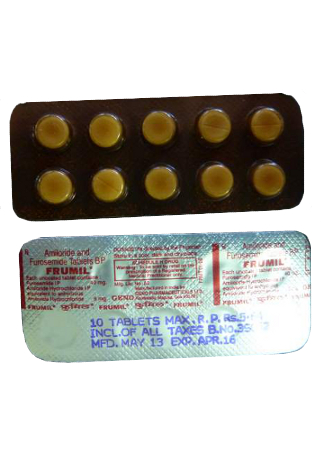
Basic Lisinopril Information
- INN (International Nonproprietary Name): Lisinopril.
- Brand Names Available In Canada (English): Prinivil; Zestril (bilingual packaging noted).
- ATC Code: C09AA03.
- Forms & Dosages: Oral tablets (2.5 mg, 5 mg, 10 mg, 20 mg, 30 mg, 40 mg) and oral solution listed in other jurisdictions (Qbrelis 1 mg/mL).
- Manufacturers In Canada (English): Merck; AstraZeneca; multiple generics from international suppliers.
- Registration Status In Canada (English): Not specified.
- OTC / Rx Classification: Prescription-only (Rx) in major markets.
Follow Health Canada guidance before changing a dose or brand by checking the product DIN and patient leaflet and consulting your prescriber or pharmacist.
Start at lower doses if elderly or volume-depleted, and carry a list of current medicines, allergies, and recent bloodwork (creatinine and potassium) when you visit clinics or pharmacies.
Stop lisinopril immediately and seek emergency care if you develop swelling of the face, tongue, or throat, or severe difficulty breathing, as this may indicate angioedema.
Avoid lisinopril during pregnancy because of fetal risk, and notify your prescriber if you are breastfeeding.
Monitor blood pressure, kidney function and serum potassium regularly, particularly after starting or changing dose or when adding NSAIDs, potassium supplements or diuretics.
Take lisinopril at the same time each day and use dose reminders on your phone or pharmacy blister packs when possible.
Everyday Use & Best Practices
Morning Vs Evening Dosing In Canadian Routines
Which time of day is best is a common question for patients who want simple routines.
Lisinopril is typically taken once daily and many Canadians prefer morning dosing to match home blood-pressure checks and clinic hours.
If you work shifts or live in a rural area with limited pharmacy hours, pick a consistent 24-hour window that fits your daily routine, for example, after breakfast.
If first-dose lightheadedness is a concern, discuss taking the first dose at bedtime with your prescriber to reduce fall risk.
Older adults should pair dosing with an established habit such as toothbrushing or morning coffee and may benefit from blister packs or dose organisers from Shoppers Drug Mart or London Drugs.
Taking With Or Without Meals (Canadian Diet Context)
Lisinopril may be taken with or without food and has no major food interactions documented.
In Canada’s varied food settings—from heavier breakfasts in rural areas to lighter urban meals—try to take lisinopril the same way each day for consistency.
Avoid large amounts of alcohol around dosing because the combination can increase dizziness or hypotension.
Bring DIN information to your provincial pharmacy (Rexall, Jean Coutu) to help ensure correct generic or brand substitution at the counter.
- Quick Dosing Tips: Take at same time daily; pair with a habit like brushing teeth; use phone alarms; ask pharmacist about blister packs or compliance packaging.
- When To Consider Evening Dosing: If you experience first-dose dizziness or if bedtime dosing fits your routine better after discussing with your clinician.
| Option | Pros | Cons |
|---|---|---|
| Morning Dosing | Matches BP checks; easier with morning routines. | May cause daytime dizziness in some people. |
| Evening Dosing | Reduces fall risk from first-dose hypotension for some patients. | May interfere with overnight monitoring or morning clinic schedules. |
Safety Priorities
Who Should Avoid It (Health Canada Advisories)
Stop prescribing or using lisinopril in patients with prior angioedema from any ACE inhibitor or known hypersensitivity to lisinopril.
Avoid use in pregnancy and stop immediately if pregnancy is planned or confirmed due to fetal risk.
Patients with bilateral renal artery stenosis should not receive lisinopril.
Those with severe hyperkalemia, rapidly worsening renal function, or a history of ACE-inhibitor–induced angioedema need specialist review before use.
Always confirm the DIN on the package and that the active ingredient listed is lisinopril to prevent dispensing errors.
Activities To Limit (Driving, Workplace Safety)
Lisinopril can cause dizziness or fainting, particularly after the first dose or when volume-depleted.
Employees in safety-sensitive roles such as commercial drivers, machine operators, and remote-site workers should discuss timing and monitoring with occupational health.
Avoid sudden position changes, heavy alcohol and strenuous activity when starting or increasing dose.
Carry a medical card noting lisinopril therapy when working in remote or rural settings with delayed emergency response.
- Contraindications Checklist: Prior ACE-inhibitor angioedema; pregnancy; bilateral renal artery stenosis; hypersensitivity.
- Printable Safety Card (Short): Medication: lisinopril; Emergency: stop and seek care if swelling of face/tongue/throat or breathing difficulty; Contact: local pharmacist/clinic.
Dosage & Adjustments
General Regimen (DIN References)
Usual adult starting dose for hypertension is 10 mg once daily with maintenance typically 20–40 mg daily and a maximum of 40 mg daily.
For heart failure start lower, commonly 2.5–5 mg daily, and titrate slowly up to 40 mg as tolerated.
In Canada, check the product DIN and manufacturer when dispensing to match brand and strength requested by prescriber.
Most Canadian supplies are tablets in strengths from 2.5 mg to 40 mg; an oral solution (Qbrelis 1 mg/mL) is listed in other jurisdictions.
Obtain baseline creatinine and potassium, and recheck levels within 1–2 weeks after initiation or dose change.
Special Cases (Elderly, Comorbidities)
Elderly patients should start low (2.5–5 mg) and titrate slowly while monitoring for falls and renal changes.
For renal impairment dose adjustments by CrCl are recommended: usual dosing if CrCl ≥30 mL/min; start 2.5–5 mg if CrCl 10–30 mL/min; start 2.5 mg and monitor closely if CrCl <10 mL/min.
When patients are already on diuretics, consider withholding or reducing diuretic before the first lisinopril dose to reduce risk of symptomatic hypotension.
Hepatic impairment usually does not require routine dose change but watch for excessive hypotension.
| Use | Typical Starting Dose | Maintenance | Max |
|---|---|---|---|
| Hypertension | 10 mg daily | 20–40 mg daily | 40 mg daily |
| Heart Failure | 2.5–5 mg daily | Up to 40 mg daily | 40 mg daily |
| Post-MI | 5 mg daily | 10 mg daily (after stabilization) | 10 mg daily |
- Lab Monitoring Checklist: Baseline creatinine and potassium; repeat at 1–2 weeks after start/titration; periodic checks thereafter.
- Keep: A current medication list with DINs and recent lab values for prescribers and pharmacists.
User Testimonials
Positive Reports From Canadian Patients
<p"Has this drug helped?" is the question often seen in the pharmacy counselling area.Many Canadians report effective blood-pressure control on lisinopril with fewer headaches and improved energy compared with previous therapies.
Patients like once-daily dosing and bilingual packaging provides reassurance for francophone users.
Pharmacist counselling and access through major chains such as Shoppers Drug Mart and Rexall are commonly praised for side-effect management and adherence support.
Common Challenges In Forums (Reddit Canada, Health Boards)
Online discussions commonly list a persistent dry cough as the top reason for switching from lisinopril to an ARB.
First-dose dizziness and uncertainty about brand versus generic substitution are frequent complaints in rural forums.
Rural posters often mention limited pharmacy hours and occasional stockouts, while cross-border shoppers compare pricing and availability of liquid forms.
- Top 5 Reported Benefits: Effective BP control; once-daily dosing; perceived improved energy; renal protection for diabetes; pharmacist counselling.
- Top 5 Common Issues: Dry cough; first-dose lightheadedness; confusion over brand/generic; access in rural areas; questions about lab monitoring.
Buying Guide
Pharmacy Sources (Shoppers, Rexall, Jean Coutu, London Drugs)
Lisinopril is prescription-only in Canada and is available at national chains such as Shoppers Drug Mart, Rexall, Jean Coutu and London Drugs as well as independent community pharmacies.
Bring your prescription and DIN information to avoid dispensing errors and to help the pharmacist advise on generic versus brand options and combination products.
Pharmacists can provide blister packs, compliance packaging and help with prior authorizations and bridging when switching brands or strengths.
Price Comparison (In-Store Vs Online, Cross-Border Notes)
Generic lisinopril is typically inexpensive in Canada but out-of-pocket cost varies by province and benefit plan.
Online Canadian pharmacies and telepharmacy services offer home delivery and may show price differences; confirm accreditation before ordering.
Cross-border U.S. purchases can show different labelling and DIN equivalents, so Health Canada recommends buying from licensed Canadian pharmacies when possible.
In our online pharmacy, lisinopril is available without a prescription, with discreet delivery to Canada (English) in 5-14 days.
| Pharmacy | Likely Cost (Generic) | Coverage Notes |
|---|---|---|
| Shoppers Drug Mart | Low–Moderate | Check provincial plan and private insurance. |
| Rexall | Low–Moderate | Community pharmacists can assist with substitutions. |
| Jean Coutu | Low–Moderate | Especially in Quebec; bilingual packaging available. |
| London Drugs | Low–Moderate | Support for blister packs and remote delivery. |
| Online Canadian Pharmacies | Varies | Confirm accreditation and delivery times; check provincial formularies. |
What’s Inside & How It Works
Ingredients Overview
The active ingredient is lisinopril (INN) and tablet strengths include 2.5 mg, 5 mg, 10 mg, 20 mg, 30 mg and 40 mg depending on manufacturer.
Oral solution Qbrelis (1 mg/mL) is listed in some jurisdictions but tablets are the usual Canadian supply.
Excipients differ between manufacturers; check the package leaflet if you have known excipient allergies.
Combination products such as lisinopril + hydrochlorothiazide (Zestoretic) and lisinopril + amlodipine (Acedip) have distinct DINs and packaging.
Mechanism Basics
Lisinopril is an ACE inhibitor that reduces angiotensin-converting enzyme activity, lowering angiotensin II and aldosterone levels.
That causes vasodilation, reduced blood pressure and decreased cardiac afterload, which helps in hypertension, heart failure and post-myocardial infarction care.
The renal haemodynamic changes explain the benefit in diabetic nephropathy and the need to monitor creatinine and potassium after starting or changing dose.
- Active Vs Excipients: Active = lisinopril; excipients vary by product—check leaflet.
- Mechanism Steps: ACE inhibition → less angiotensin II → vasodilation → lower BP and reduced cardiac workload.
Main Indications
Approved Uses In Canada
Health Canada–aligned indications for lisinopril include treatment of hypertension, adjunct therapy for heart failure, post-myocardial infarction management and renal protection in diabetic nephropathy.
Typical starting doses reflect standard practice: for hypertension start at 10 mg daily and titrate as needed; for heart failure start lower and build up slowly.
Always check the product monograph and DIN for age-related guidance and specific approved uses for the brand dispensed.
Off-Label Uses By Canadian Physicians
Off-label use may occur for certain proteinuric kidney diseases or in complex combination antihypertensive strategies where evidence supports benefit.
Off-label decisions should be clinician-directed, documented and accompanied by informed patient consent and a monitoring plan that includes labs and blood-pressure logs.
Provincial formularies may limit coverage for off-label indications, so verify with the relevant provincial drug plan before prescribing.
- Indication-Specific Monitoring: Hypertension: BP checks and periodic labs; Heart failure: renal function and K+ monitoring; Diabetic nephropathy: urine protein and renal labs.
Interaction Warnings
Food Interactions (Alcohol, Caffeine)
No major food interactions are documented for lisinopril, but alcohol can increase dizziness and hypotension when combined with lisinopril.
No significant interaction with caffeine is reported, though blood-pressure control should be monitored if dietary habits change.
Avoid potassium-based salt substitutes without clinician advice because they can raise risk of hyperkalemia when used with lisinopril.
Drug Conflicts (Health Canada Database)
Major interacting drugs include potassium-sparing diuretics and potassium supplements which increase hyperkalemia risk.
NSAIDs can reduce renal function and blunt the antihypertensive effect of lisinopril, particularly in volume-depleted patients.
Lithium co-administration carries a risk of increased lithium levels and potential toxicity.
Other antihypertensives may add hypotensive effects; avoid routine combination with ARBs unless specialist advice is given.
| High-Risk Combination | Potential Problem | Monitoring Steps |
|---|---|---|
| Potassium-Sparing Diuretics / K Supplements | Hyperkalemia | Check serum K+ within 1–2 weeks and periodically. |
| NSAIDs | Reduced renal function; less antihypertensive effect | Monitor creatinine; avoid long-term NSAID use if possible. |
| Lithium | Increased lithium levels | Measure lithium levels and adjust dosing carefully. |
Latest Evidence & Insights
Canadian And International Research Highlights
Clinical trials and guideline reviews show ACE inhibitors like lisinopril reduce morbidity and mortality in heart failure and post-MI settings and improve blood-pressure control.
Hypertension Canada and international guidance include ACE inhibitors among first-line options for many patients and support their use for renoprotection in diabetes.
Cough remains a commonly reported adverse effect and is the most frequent reason for switching patients to ARBs such as losartan.
Practical Takeaways For Patients And Clinicians
Practical points include routine monitoring of blood pressure, creatinine and potassium after initiation or dose changes as a safety priority.
Consider switching to an ARB if a persistent cough develops that affects quality of life.
Continue therapy long-term when tolerated because benefits for cardiovascular and renal outcomes accrue over time.
| Trial / Guideline | Key Outcome | Patient-Relevant Implication |
|---|---|---|
| ACE Inhibitor Trials (Summary) | Reduced HF morbidity and mortality | Important in heart-failure management and post-MI care. |
| Hypertension Canada Guidance | ACE inhibitors as first-line for many patients | Reasonable initial choice with monitoring plan. |
- Evidence-Based Monitoring Checklist: Baseline labs, BMP at 1–2 weeks after start/titration, periodic BP logs, and symptom review for cough or angioedema.
Alternative Choices
Comparable Medicines (ACE Inhibitors)
Other ACE inhibitors include enalapril, ramipril, perindopril and captopril; these agents differ in dosing frequency and side-effect profiles.
ARBs such as losartan, valsartan and telmisartan are preferred alternatives if a patient develops an ACE-inhibitor cough or intolerance.
Diuretics, calcium-channel blockers and beta-blockers are alternative or adjunctive choices depending on the patient’s comorbidities and target blood-pressure strategy.
Pros/Cons Checklist For Switching
When considering a switch, document the reason such as cough, angioedema or intolerance and outline the desired therapeutic effect and monitoring plan.
Check cost and provincial formulary coverage and whether prior authorization is required for the alternative agent or specific brand.
Pharmacists can advise on equivalent doses, expected side effects and practical steps for safe transition between agents.
| Medication | Dosing Frequency | Typical Side Effects |
|---|---|---|
| Ramipril | Once daily | Cough, dizziness, hyperkalemia |
| Enalapril | Once or twice daily | Cough, hypotension |
| Losartan (ARB) | Once daily | Lower cough risk; dizziness; hyperkalemia |
Regulation Snapshot
Health Canada Approval And DIN Requirements
Lisinopril is prescription-only and products are marketed with DINs and bilingual labelling for Canada when distributed by manufacturers such as Merck and AstraZeneca.
Manufacturers must follow Health Canada post-market surveillance and adverse-event reporting requirements.
For up-to-date product monographs and DIN details consult the Health Canada Drug Product Database.
Provincial Coverage And Listing Notes
Provincial drug plans vary in coverage for lisinopril and combination products and listing depends on eligibility, formulary tier and brand.
Pharmacists can help navigate formularies and advise about substitutions and prior-authority requirements for specific brands or combinations like Zestoretic.
| Resource | Where To Find |
|---|---|
| DIN Information | Health Canada Drug Product Database |
| Provincial Formularies | Provincial health ministry or formulary lookup tools |
FAQ Section
Common Patient Questions
Q: Can I stop lisinopril if I feel fine?
A: No; do not stop without consulting your prescriber because abrupt cessation may worsen blood-pressure or heart-failure control.
Q: What if I become pregnant?
A: Stop immediately and contact your clinician because lisinopril is contraindicated in pregnancy.
Q: Why did I develop a cough?
A: A dry persistent cough is a common ACE-inhibitor side effect and your clinician may consider switching you to an ARB if it persists.
Q: How often should I have labs?
A: Baseline labs and recheck at 1–2 weeks after starting or changing dose, then periodic monitoring per clinician recommendation.
Where To Get More Help In Canada
For non-urgent questions contact your community pharmacist at Shoppers Drug Mart, Rexall or your local independent pharmacy.
Use provincial telehealth lines for advice outside pharmacy hours and consult Hypertension Canada for patient resources and guidance.
For urgent reactions such as angioedema or severe hypotension go to emergency or call 911 immediately.
- FAQ Checklist: Do not stop abruptly; stop if pregnant; report angioedema immediately; baseline and 1–2 week labs recommended.
Guidelines For Proper Use
Canadian Pharmacist And Provincial Health Authority Recommendations
Pharmacists and provincial authorities recommend verifying DIN and brand at dispensing and counselling patients about first-dose hypotension risk.
Ensure baseline creatinine and potassium before starting, and schedule follow-up labs 1–2 weeks after initiation or titration.
Provide adherence supports such as blister packs, med reminders and documentation of medication history in provincial electronic records.
Practical Checklist For Patients
Confirm DIN and brand and record the start date and dose on a medication card.
Schedule baseline labs and follow-up dates, and note symptoms that require urgent care such as angioedema or fainting.
Avoid pregnancy while taking lisinopril and do not start potassium supplements without clinician advice.
For rural residents consider mail-order or timed refills to prevent stockouts and carry a copy of your prescription and product monograph when travelling to the United States.
- Printable Checklist: DIN and brand, start date/dose, lab dates, urgent symptoms list, pharmacy contact for refills.
Delivery Across Canada (English)
| City | Region | Delivery Time |
|---|---|---|
| Toronto | Ontario | 5-7 days |
| Montreal | Quebec | 5-7 days |
| Vancouver | British Columbia | 5-7 days |
| Calgary | Alberta | 5-7 days |
| Edmonton | Alberta | 5-7 days |
| Ottawa | Ontario | 5-7 days |
| Winnipeg | Manitoba | 5-7 days |
| Quebec City | Quebec | 5-7 days |
| Hamilton | Ontario | 5-9 days |
| Kitchener | Ontario | 5-9 days |
| London | Ontario | 5-9 days |
| Halifax | Nova Scotia | 5-7 days |
| Victoria | British Columbia | 5-7 days |
| Saskatoon | Saskatchewan | 5-9 days |
| Regina | Saskatchewan | 5-9 days |