Blood pressure is the force of blood pushing against your artery walls as your heart pumps. It's measured in two numbers: systolic pressure (the top number) and diastolic pressure (the bottom number), recorded in millimetres of mercury (mmHg). A normal blood pressure reading is typically around 120/80 mmHg. When blood pressure consistently rises above 130/80 mmHg, it's considered high blood pressure or hypertension.
Hypertension affects millions of Canadians and often develops without noticeable symptoms, earning it the nickname "the silent killer." Left untreated, high blood pressure can lead to serious health complications including heart disease, stroke, kidney problems, and vision loss. Understanding your blood pressure numbers is the first step toward managing your health effectively. Regular monitoring helps catch elevated readings early, allowing for timely intervention through lifestyle changes or medication.
Several factors contribute to high blood pressure, including age, family history, obesity, stress, excessive sodium intake, and lack of physical activity. Some people are more at risk than others, making regular blood pressure checks essential for early detection and prevention of serious complications.
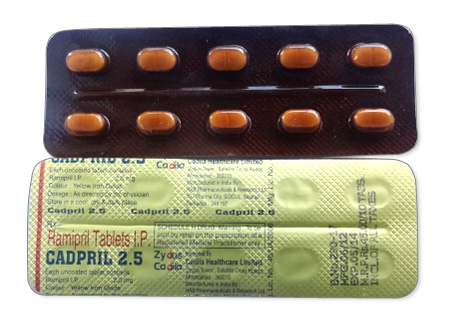
ACE inhibitors and Angiotensin II Receptor Blockers (ARBs) are commonly prescribed in Canada. Popular ACE inhibitors include Lisinopril, Enalapril, and Ramipril. ARBs such as Losartan, Valsartan, and Olmesartan work similarly but with different mechanisms. These medications help relax blood vessels and reduce the workload on your heart, making them excellent first-line treatments for many patients.
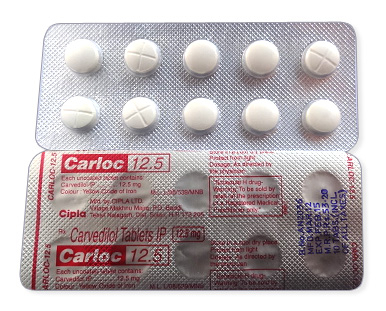
Beta-blockers like Metoprolol, Atenolol, and Bisoprolol are widely available across Canadian pharmacies. These medications slow your heart rate and reduce the force of heart contractions, effectively lowering blood pressure. They're particularly beneficial for patients with heart disease or those who've had a heart attack.
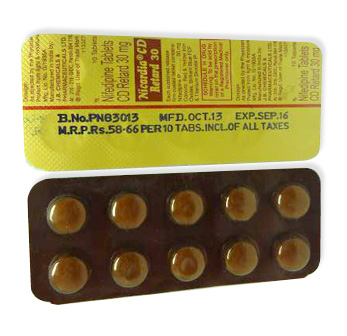
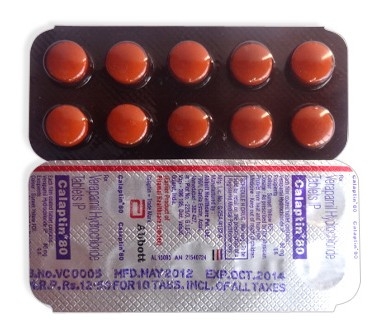
Medications such as Amlodipine, Diltiazem, and Verapamil belong to this class. Available throughout Canada, calcium channel blockers prevent calcium from entering heart and blood vessel cells, causing relaxation and improved blood flow. They're known for being well-tolerated with minimal side effects.
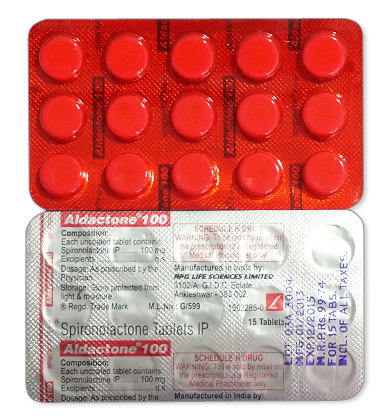
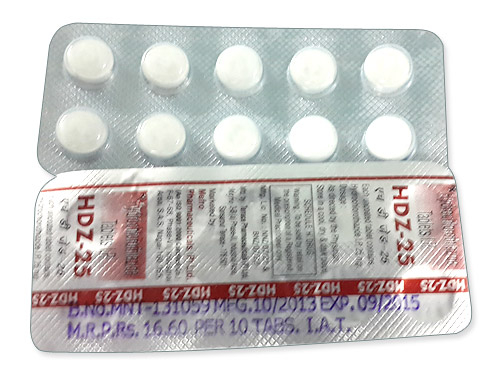
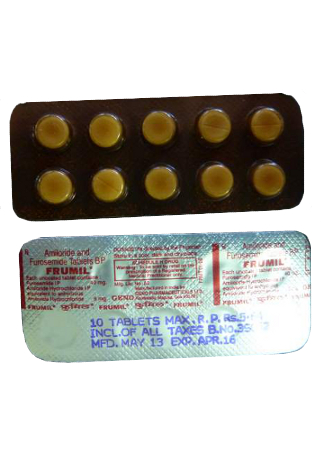
Diuretics like Hydrochlorothiazide (HCTZ), Furosemide, and Spironolactone help your kidneys remove excess sodium and water, reducing blood volume and pressure. These are often used as first-line treatments or in combination therapies across Canadian healthcare settings.
Many Canadians benefit from combination medications that include two drugs in one pill, such as ACE inhibitor plus diuretic or ARB plus calcium channel blocker combinations. This approach improves medication adherence and simplifies daily routines.
Most people with high blood pressure experience no symptoms, which is why regular monitoring is crucial. However, some individuals may notice headaches, shortness of breath, nosebleeds, or chest discomfort, though these symptoms don't always indicate hypertension.
Risk factors include being overweight or obese, family history of high blood pressure, excessive alcohol consumption, high salt intake, lack of physical activity, chronic stress, and advancing age. African Canadians and Indigenous peoples face higher rates of hypertension and related complications, making awareness and prevention even more important.
You should seek medical attention if you experience sudden severe headaches, chest pain, difficulty breathing, or vision changes, as these may indicate a hypertensive crisis. Regular blood pressure monitoring at home or during pharmacy visits helps track your readings and identify concerning trends. If your readings consistently exceed 140/90 mmHg, consult your healthcare provider about treatment options.
Before or alongside medication, lifestyle modifications can significantly impact blood pressure control. Reducing sodium intake to less than 2,300 mg daily is recommended by Canadian health authorities. Choose fresh fruits, vegetables, whole grains, and lean proteins while limiting processed foods high in sodium.
Regular physical activity is essential. Aim for at least 150 minutes of moderate-intensity aerobic exercise weekly, such as brisk walking, cycling, or swimming. Strength training twice weekly also benefits blood pressure management. Maintaining a healthy weight through balanced nutrition and exercise reduces strain on your cardiovascular system.
Stress management techniques can help lower blood pressure naturally. Consider the following approaches:
Limiting alcohol consumption to no more than two drinks daily for men and one for women protects your cardiovascular health. Avoiding tobacco completely and quitting smoking if you currently smoke can improve blood pressure within weeks. Adequate sleep of seven to nine hours nightly supports healthy blood pressure regulation. Some people find supplements like potassium-rich foods, magnesium, and CoQ10 helpful, though always consult your pharmacist or doctor before starting supplements, as they may interact with medications.
Home blood pressure monitoring empowers you to track your health between doctor visits. Automatic upper-arm blood pressure monitors are reliable and easy to use, available at most Canadian pharmacies. Take readings at the same time daily, ideally in the morning before medication and evening before bed, keeping a log for your healthcare provider.
Proper technique ensures accurate readings: sit with feet flat on the floor, back supported, arm at heart level, and bladder empty. Avoid caffeine, exercise, and stress for 30 minutes before measuring. Take two or three readings one minute apart and record the average. Wrist and finger monitors are less reliable than upper-arm devices, though they offer portability. Many Canadian pharmacies offer free blood pressure checks during pharmacy visits. Digital records or apps can help you track trends and share information with your healthcare team.
Discuss your home readings with your doctor regularly. If readings remain elevated despite medication, your treatment plan may need adjustment. Monitoring helps ensure your current medication is working effectively and supports conversations about dosage or medication changes.
Your pharmacist is a valuable resource for blood pressure management. They can explain how your medications work, discuss potential side effects, and answer questions about interactions with other drugs or supplements. Regular pharmacy visits allow for medication reviews and adjustments. Canadian pharmacists can provide vaccinations, medication therapy management, and lifestyle counselling. They help ensure you're taking medications correctly for maximum effectiveness. Some provinces allow pharmacists expanded roles in managing chronic conditions like hypertension.
Maintain open communication with your doctor about your blood pressure control, any side effects from medications, and lifestyle changes you're making. Attend regular check-ups where your doctor can assess your overall cardiovascular health and adjust treatment as needed. If you're struggling with medication costs, discuss generic alternatives with your pharmacist. Many effective blood pressure medications are available as affordable generics in Canada. Some provinces offer programs assisting with medication costs for eligible residents.
Track your progress together with your healthcare team. Celebrate successes like improved readings, healthy lifestyle changes, or reduced medication side effects. Blood pressure management is a long-term commitment requiring ongoing collaboration between you and your healthcare providers.