
Hydroquinone
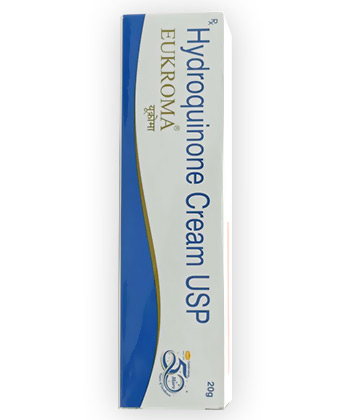
Hydroquinone
- Hydroquinone can be purchased in some pharmacies and online in Canada and other markets, and availability may vary by strength and local regulations. Lower-strength products may be sold without a prescription in some places, while 2% to 4% and higher-strength creams are often prescription-only. Always check local pharmacy rules before buying.
- Hydroquinone is used to lighten areas of excess pigmentation such as melasma, age spots, lentigines, and post-inflammatory hyperpigmentation. It works by inhibiting tyrosinase, an enzyme needed for melanin production, which reduces the formation of skin pigment.
- The usual dose is a thin layer of 2% to 4% cream applied to the affected area once or twice daily, depending on the condition and product strength. Treatment is typically limited to a few months and should be reviewed by a healthcare professional if used longer.
- The form of administration is topical, usually as a cream, but gels, lotions, and combination products are also available.
- Hydroquinone does not work immediately; visible improvement usually begins after about 4 to 8 weeks of regular use, and sometimes longer depending on the severity of the pigmentation.
- The duration of action depends on continued use and sun protection. It is usually used for 2 to 4 months for melasma and up to about 3 months for age spots, with ongoing benefit maintained only while treatment and sun avoidance continue.
- Alcohol does not have a direct interaction with topical hydroquinone, but heavy alcohol use may worsen skin irritation or interfere with overall skin health. Avoid applying the product on irritated skin, and use sunscreen daily.
- The most common side effects are skin redness, mild burning or stinging, dryness, and peeling. More serious reactions can include allergic contact dermatitis, irritation, nail discoloration, and, with prolonged or high-strength use, rare ochronosis.
- Would you like to try hydroquinone without a prescription?
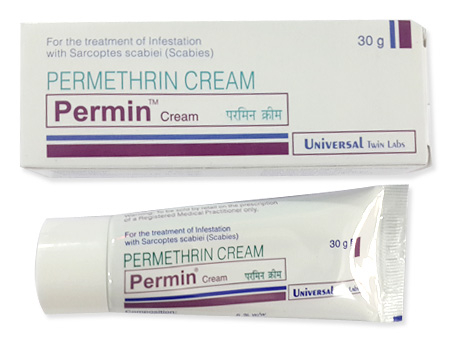
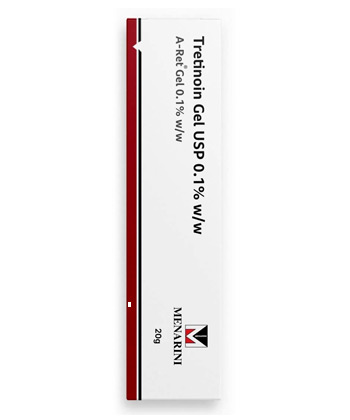
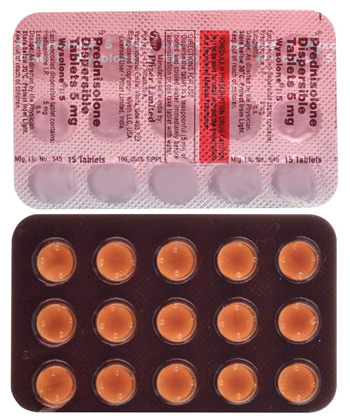
Basic Hydroquinone Information
- INN (International Nonproprietary Name): Hydroquinone
- Brand names available in Canada (English): Eldoquin, Lustra, Melanex, Melquin
- ATC Code: D11AX11
- Forms & dosages: Cream 2%, 4%, 5%; Gel 2%, 4%; Lotion 2%, 4%; Combination products with tretinoin, corticosteroids, or sunscreen
- Manufacturers in Canada (English): Valeant, Brinton, Obagi
- Registration status in Canada (English): Prescription status varies by product and strength; confirm the DIN and pharmacy labelling before purchase
- OTC / Rx classification: Rx in most regulated markets for 2% to 4% and higher concentrations; OTC for ≤2% in some regions
Hydroquinone For Everyday Use
Morning Vs Evening Dosing In Canadian Routines
Wondering whether hydroquinone belongs in the morning or at bedtime?
For most Canadians, the easiest routine is once daily at night, because that fits a simple cleanse-and-apply habit and avoids extra sun exposure.
Use the exact timing your prescriber or pharmacist recommends.
If you are using a hydroquinone cream 4% or another topical hydroquinone product, apply a thin layer only to the darkened spots unless you were told to treat a wider area.
Morning use is less common, since daylight can worsen pigmentation and make skin more reactive.
If daytime application is part of your plan, broad-spectrum SPF 30+ is non-negotiable.
A practical nightly routine for many patients looks like this: cleanse, pat dry, apply a small amount, then moisturise if allowed by your clinician.
Taking With Or Without Meals In A Canadian Diet Context
Because hydroquinone is topical, meals do not affect how it works.
That makes it easier to tie into a routine that already exists, such as after brushing your teeth or before bed.
Hydroquinone cream should go on after washing your face and before moisturiser, unless your prescriber gave different directions.
In winter, heated homes can make skin drier and more sensitive, so a gentle fragrance-free moisturiser may help if your clinician approves it.
A simple nightly checklist is often the best approach:
- Wash and dry the skin.
- Apply a thin layer to the affected spots.
- Wash hands after use.
- Wait before layering other products unless advised.
- Use sunscreen every morning.
Hydroquinone Safety Priorities
Who Should Avoid It
Are you dealing with a rash, a fresh sunburn, or sensitive skin around the eyes?
Those are exactly the situations where hydroquinone safety needs extra attention.
- Do not use it on broken skin, eczema, or recent sunburn.
- Avoid putting it near the eyes, mouth, nostrils, or mucous membranes.
- Do not use it if you have a known allergy to hydroquinone or similar phenols.
- Use extra caution during pregnancy or breastfeeding, because controlled safety data are limited and specialist oversight matters.
- Children under 12 should generally avoid it unless a dermatologist specifically directs treatment.
Skin irritation is the most common reason people stop too early, and that can happen if the product is applied too broadly or too often.
If you have psoriasis, atopic dermatitis, or vitiligo near the treatment area, monitoring is especially important.
Activities To Limit
Hydroquinone usually does not cause drowsiness, so driving is not the main concern.
The bigger issue is discomfort from skin irritation, especially for people working outdoors, in cold weather, or in jobs that involve masks, rubbing, or sweating.
A warehouse shift in January or a long day on a construction site can make stinging or dryness feel worse.
Avoid applying it right before heavy exercise, prolonged mask-wearing, or any situation where the product may rub off.
Do not combine it with other harsh skin treatments unless a clinician has reviewed the full regimen, because irritation raises the risk of quitting treatment early.
Hydroquinone Dosage And Adjustments
General Regimen
In Canada, product status can vary, so check for a valid DIN and proper pharmacy labelling before you buy.
Common strengths are 2% and 4%, and cream packaging is often in 15 g to 60 g tubes.
For melasma and hyperpigmentation, a thin layer is usually applied 1 to 2 times daily for a limited course, often 2 to 4 months, followed by reassessment.
For lentigines and age spots, the usual approach is once daily to the affected area, with treatment limited to about 3 months.
For post-inflammatory hyperpigmentation, 1 to 2 times daily is common, with reassessment over 2 to 6 months.
| Strength | Typical Frequency | Usual Duration |
|---|---|---|
| 2% | 1 to 2 times daily | Time-limited course with review |
| 4% | 1 to 2 times daily | About 2 to 4 months, then reassess |
| 5% | Only with careful supervision | Directed by the prescriber |
Special Cases
Older adults may need extra caution, since skin can be more reactive.
No formal dose adjustment exists for kidney or liver impairment, but a clinician may still prefer a monitored approach.
For children under 12, safety and efficacy are not established, so specialist direction is important.
If a dose is missed, apply it when remembered unless it is close to the next dose.
Never double apply.
For patients comparing labels across borders, prescription hydroquinone may look similar in Canada, the United States, and Europe, but the legal status can differ.
Hydroquinone User Reports
Positive Reports From Canadian Patients
What do people usually notice first when a hydroquinone cream starts working?
Canadian patients often say the best results happen when hydroquinone is paired with sunscreen and a simple routine.
People using it for hyperpigmentation or post-inflammatory pigmentation may notice a gradual evening of skin tone over several weeks.
That slow, steady progress is more realistic than expecting overnight clearing.
Patients who stick with the plan tend to describe fewer setbacks, especially when they keep the treatment area protected from the sun.
Common Challenges In Forums
In Canadian forum discussions, a few themes come up again and again.
- Dryness, redness, and mild peeling are common complaints.
- Some people stop too early because the effect is gradual.
- Others are unsure whether they need prescription hydroquinone or an OTC product.
- Confusion sometimes comes from U.S. rules being different from Canadian access.
Those concerns are normal, and they are exactly why pharmacist guidance can save time and frustration.
Hydroquinone Buying Guide
Pharmacy Sources
Looking for hydroquinone at a Canadian pharmacy often starts with one question: is it prescription-only for the product you want?
Ask a pharmacist first, because hydroquinone may require a prescription depending on strength and formulation.
Canadian shoppers may see different availability at Shoppers Drug Mart, Rexall, Jean Coutu, and London Drugs, especially for prescription items.
Bilingual packaging may appear in Quebec and other markets, so check the active ingredient, strength, and directions carefully.
Online ordering is common, and in our online pharmacy hydroquinone is available without a prescription, with discreet delivery to Canada in 5 to 14 days.
Always verify that the pharmacy is licensed and that the product has proper Canadian regulatory status before placing an order.
Price Comparison
Prices vary by strength, tube size, and whether a prescription is required.
Cross-border U.S. products can look similar, but Canadian patients should not assume U.S. rules apply here.
Rural patients often rely more on delivery, while urban patients may compare in-store stock and online options side by side.
| Option | Prescription Status | Typical Access | Price Pattern |
|---|---|---|---|
| Canadian pharmacy | Varies by product | In-store or online | Depends on strength and tube size |
| Online pharmacy | Varies by product | Home delivery | Often competitive, especially for rural patients |
| Cross-border U.S. product | Different from Canada | Imported or resold | Can be misleading if rules are assumed |
What Is Inside Hydroquinone And How It Works
Ingredients Overview
Hydroquinone is the active ingredient, and it is a phenol derivative with a benzene ring and two hydroxyl groups.
It is also described as a benzenediol compound, and the term benzene-1, 4-diol is used in scientific contexts.
Global brands include Eldoquin, Lustra, Melanex, and Melquin, with cream strengths such as 2%, 4%, and sometimes 5% in some markets.
Combination products may include tretinoin, corticosteroids, or sunscreen, but those require careful supervision.
Mechanism Basics
Hydroquinone works by reducing skin pigment production and interfering with melanin formation.
It is used only on the skin, not taken by mouth.
Because it is potent, long-term or unsupervised use raises safety concerns, including the rare risk of ochronosis.
That is why clinicians usually prefer a time-limited plan rather than open-ended use.
| Point | Simple Explanation |
|---|---|
| Active ingredient | Hydroquinone |
| What it affects | Melanin production |
| How it is used | Topically on the skin only |
| Main caution | Do not use long term without supervision |
Hydroquinone Main Indications
Approved Uses In Canada
Hydroquinone is commonly used for melasma, hyperpigmentation, lentigines, age spots, and post-inflammatory hyperpigmentation.
The standard approach is to apply a thin layer to the affected skin and protect the area from the sun throughout treatment.
The smallest area needed is usually best, because broad application increases the risk of irritation.
Patients often ask about hydroquinone for melasma, but the same principles apply across most pigment conditions.
Off-Label Uses By Canadian Physicians
Some dermatologists may recommend hydroquinone as part of a melasma plan or in a combination regimen.
Off-label use should be explained clearly, especially when a patient expects rapid change.
If pigmentation does not improve in the expected window, reassessment is better than simply extending treatment.
| Condition | Typical Strength | Frequency | Duration |
|---|---|---|---|
| Melasma | 2% to 4% cream | 1 to 2 times daily | About 2 to 4 months |
| Age spots | 2% to 4% cream | Once daily | Up to 3 months |
| Post-inflammatory hyperpigmentation | 2% to 4% cream | 1 to 2 times daily | 2 to 6 months with review |
Hydroquinone Interaction Warnings
Food Interactions
As a topical medicine, hydroquinone does not have meaningful food interactions.
Alcohol and caffeine do not directly change how it works, although they can indirectly affect sleep, hydration, or skin care habits.
Drug Conflicts
What should not be layered on top without advice?
Watch for other skin-irritating products such as retinoids, strong acids, scrubs, and bleaching mixtures.
Do not combine multiple depigmenting products unless your clinician or pharmacist approves the plan.
Check Health Canada resources and pharmacy guidance if you use prescription creams, acne treatments, or steroid combinations.
- Retinoids such as tretinoin.
- Strong acids and exfoliating scrubs.
- Other bleaching or depigmenting creams.
- Combination products containing corticosteroids.
Hydroquinone Research And Current Insights
Canadian And International Research
Current evidence supports hydroquinone as one of the more effective topical options for short-term pigment reduction.
The benefit is strongest when treatment is time-limited and paired with sunscreen.
In Canada, practical use usually focuses on balancing effectiveness with safety and access rather than on prolonged therapy.
That approach makes sense because long-term indiscriminate use is discouraged.
What This Means For Patients
Short courses tend to work better than open-ended use.
Long-term use raises concerns about irritation and exogenous ochronosis.
If results plateau, switching strategies may be safer than increasing the strength.
| Finding | Clinical Meaning | Practical Note |
|---|---|---|
| Short-term benefit | Useful for pigment reduction | Best with sunscreen |
| Long-term risk | Irritation and ochronosis concerns | Time-limit therapy |
| Plateau in results | May need a different plan | Review with a clinician |
Hydroquinone Alternatives
Comparable Medicines With Pros And Cons
Are you trying to avoid hydroquinone because your skin is sensitive?
Several alternatives are commonly discussed with dermatology patients.
- Azelaic acid: gentler, helpful for acne-related pigmentation, but slower.
- Kojic acid: common in cosmetic products, but it may irritate sensitive skin.
- Tretinoin: improves skin turnover, often used in combination, but can be drying.
- Arbutin creams: popular as a milder option, often described as more “natural”.
- Tranexamic acid: sometimes used for melasma, topical or oral depending on the case.
When An Alternative May Be Better
If you have sensitive skin, a gentler option may be better than hydroquinone.
If you have had irritation before, a non-hydroquinone plan may be safer.
Combination creams can help some patients, but they need careful oversight.
For people comparing Eldoquin, Melalite, or Movate alternatives, the right choice depends on skin type, tolerance, and treatment goal.
Hydroquinone Regulation Snapshot
Health Canada Approval And DIN Requirements
Canadian patients should confirm whether the product is a regulated drug with a DIN.
Hydroquinone strength and status can vary by market, and some products are prescription-only.
The safest route is through a Canadian pharmacy with clear labelling and pharmacist counselling.
Provincial Access And Pharmacy Realities
Access may differ across provinces, and online ordering, store pickup, or prescription renewal can affect convenience.
Ontario Drug Benefit, BC PharmaCare, and RAMQ coverage rules may influence whether a patient pays out of pocket.
Bilingual labelling and regional product availability can differ in Quebec and rural communities.
| Province Or Coverage Area | Access Note | Practical Pattern |
|---|---|---|
| Ontario | Coverage depends on product and eligibility | Store or online access |
| British Columbia | BC PharmaCare may affect cost | Pharmacy counselling is useful |
| Quebec | RAMQ and bilingual labelling may matter | Regional product differences can appear |
| Rural Canada | Delivery is often more convenient | Online access may be preferred |
Hydroquinone FAQ
Can I Buy Hydroquinone Without A Prescription In Canada?
Access depends on the product and strength.
Some hydroquinone products are prescription-only, so a pharmacist should review the label before purchase.
How Long Should I Use Hydroquinone 4%?
Hydroquinone cream 4% is usually used as a limited course, often about 2 to 4 months, then reassessed.
Longer use should only happen under medical supervision.
Can I Use It With Sunscreen Or Retinol?
Sunscreen is strongly recommended every day, because it helps protect the skin and improve results.
Retinol or tretinoin may be used in some plans, but only if your clinician says the combination is appropriate.
What Should I Do If My Skin Burns Or Peels?
Stop and seek advice if you develop strong redness, swelling, or persistent burning.
Mild dryness can happen, but worsening irritation means the plan should be reviewed.
Hydroquinone Proper Use And Storage
Canadian Pharmacist And Provincial Health Authority Recommendations
How do you use hydroquinone safely day after day?
Apply it to clean, dry skin in a thin layer.
Avoid the eyes, lips, nostrils, and broken skin.
Use sunscreen every day, even in winter.
Stop and seek advice if you develop strong redness, swelling, or persistent burning.
Store below 25°C, away from light and moisture, in the original sealed tube.
Do not use it longer than advised, because many treatment plans are time-limited for safety reasons.
Practical Day-To-Day Checklist
- Use it after evening cleansing.
- Wash your hands after application.
- Keep it out of reach of children.
- Reassess results with your prescriber before continuing beyond the recommended course.
Delivery Across Canada (English)
| City | Region | Delivery Time |
|---|---|---|
| Toronto | Ontario | 5 to 7 days |
| Ottawa | Ontario | 5 to 7 days |
| Mississauga | Ontario | 5 to 7 days |
| Hamilton | Ontario | 5 to 7 days |
| London | Ontario | 5 to 7 days |
| Montreal | Quebec | 5 to 7 days |
| Quebec City | Quebec | 5 to 7 days |
| Calgary | Alberta | 5 to 7 days |
| Edmonton | Alberta | 5 to 7 days |
| Vancouver | British Columbia | 5 to 7 days |
| Winnipeg | Manitoba | 5 to 7 days |
| Halifax | Nova Scotia | 5 to 7 days |
| Regina | Saskatchewan | 5 to 9 days |
| St. John’s | Newfoundland and Labrador | 5 to 9 days |
| Saskatoon | Saskatchewan | 5 to 9 days |