
Diprosone
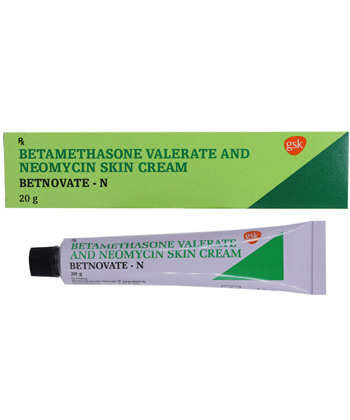
Diprosone
- You can buy diprosone in many community pharmacies and some online retailers without a prescription (discreet delivery available in Canada); note that in some countries/regions it is officially prescription‑only, so availability may vary—check with the seller or local pharmacy.
- Diprosone (betamethasone dipropionate) is a high‑potency topical corticosteroid used for corticosteroid‑responsive dermatoses such as severe or resistant psoriasis and inflammatory skin conditions; it works by activating glucocorticoid receptors to reduce inflammation, suppress immune responses and decrease cytokine production in the skin.
- Usual dosing is to apply a thin film to the affected area once or twice daily, using the lowest effective amount for the shortest possible time (commonly up to 2–4 weeks); not recommended in children under 13 without specialist advice.
- Administered topically as an ointment or cream (typically 0.05%); gel/lotion forms exist in some markets.
- Onset: symptomatic relief (reduced itching and burning) may be noticed within 24–48 hours, with clearer improvement of lesions over several days.
- Duration of action: clinical effects are generally maintained for 12–24 hours after application, which is why once‑ or twice‑daily dosing is used; total treatment courses are usually limited to weeks to avoid local and systemic adverse effects.
- Alcohol: there is no direct interaction between oral alcohol and topical diprosone, but avoid combining with irritating alcohol‑based topical products on broken or inflamed skin and avoid excessive alcohol if you have liver disease that may increase systemic risk.
- The most common side effec is local burning, itching or irritation; prolonged use can also cause skin atrophy, stretch marks, secondary infection and other local steroid effects.
- Would you like to try diprosone without a prescription?
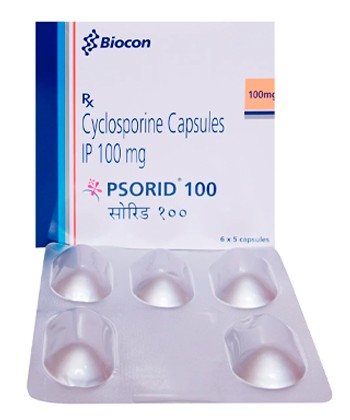
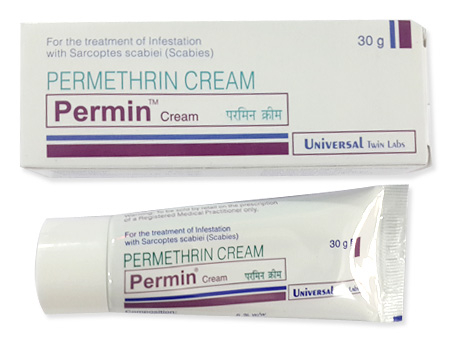
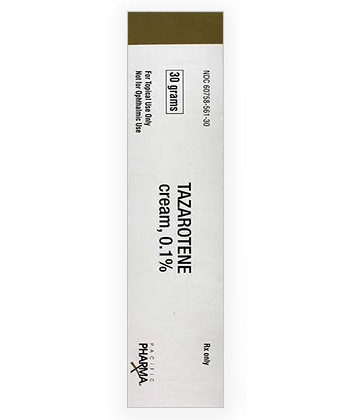
Basic Diprosone Information
- INN (International Nonproprietary Name): Betamethasone dipropionate.
- Brand Names Available In Canada (English): Diprolene, Diprolene AF (marketed by Organon Canada Inc.); generics may also be available.
- ATC Code: D07AC01 — dermatological corticosteroids, very potent (group IV).
- Forms & Dosages: Ointment 0.05% and cream 0.05% commonly packaged in 15g, 30g, and 50g tubes; gel/lotion 0.05% available in limited markets.
- Manufacturers In Canada (English): Organon Canada Inc. (Merck/Organon in North America); additional generics supplied by various manufacturers worldwide.
- Registration Status In Canada (English): Approved by Health Canada as prescription-only for resistant or severe psoriasis and corticosteroid‑responsive dermatoses.
- OTC / Rx Classification: Prescription only (Rx) in Canada; check provincial rules and product labelling.
Instructions, Warnings And Daily-Life Integration
- Use only as prescribed and follow your prescriber’s duration and frequency instructions.
- Keep the tube capped and store below 25°C; do not freeze and protect from light and moisture.
- Avoid applying to eyes or open infected wounds and do not use on active viral, fungal, or tubercular skin infections.
- For children under 13, do not use unless directed by a specialist; Health Canada classifies betamethasone dipropionate as prescription-only for resistant or severe dermatoses.
- Under occlusion or when used over large areas, systemic absorption and HPA-axis suppression can occur; report weight gain, moon face, or unusual fatigue to your prescriber.
- Rural patients: carry your prescription and check stock at national chains like Shoppers Drug Mart, Rexall, or London Drugs, or at provincial pharmacies.
- Quebec labels may be bilingual (French/English); cross-border shoppers should verify U.S. prescription requirements and declare medications appropriately at customs.
- Apply a thin film to the affected area once or twice daily as directed and avoid heavy sweating or rubbing off the product onto clothing.
Everyday Use & Best Practices
Feeling unsure about when to apply Diprolene or how it fits into a busy Canadian routine is common.
Betamethasone dipropionate 0.05%—sold as Diprolene, Diprolene AF and generics—works best on clean, dry skin.
Many patients choose evening application to let the ointment or cream act overnight and reduce transfer to clothing.
If prescribed twice daily, align doses with your morning shower and bedtime.
Workplace tips: for physical labour or heavy winter layering, apply after breaks to reduce transfer to uniforms or equipment.
Facial or thin-skin areas usually receive once-daily application for short courses only.
Health Canada–aligned guidance generally limits courses to 2–4 weeks for severe cases.
Topical betamethasone has no direct food interactions; normal Canadian diets, coffee, and modest alcohol are acceptable.
If systemic steroid exposure is suspected, avoid heavy alcohol and discuss with your prescriber.
In extreme cold, rural patients should keep the tube in an insulated bag and never freeze the product.
Always confirm the local DIN with your pharmacist and document it in your electronic health record for continuity of care.
Morning Vs Evening Dosing
- Morning: good for patients who shower and prefer routines tied to the day.
- Evening: helps reduce transfer and allows overnight action—many Canadians prefer this for Diprolene cream or ointment.
- Twice daily: align doses with morning and bedtime for convenience and adherence.
Taking With Or Without Meals
Topical betamethasone dipropionate does not interact with meals or caffeine.
You can eat typical Canadian staples, including coffee, without altering topical use.
Discuss alcohol use with your clinician only if there is concern about systemic steroid exposure.
Safety Priorities
Patients often worry about safety and who should not use a very‑potent topical steroid like Diprolene.
- Absolute contraindications: hypersensitivity to betamethasone dipropionate or formulation components.
- Do not use on viral skin diseases such as herpes simplex, varicella, or vaccinia.
- Avoid use on fungal or tubercular skin infections unless appropriately treated.
- Do not use on eyes or periocular areas.
- Children under 13 are generally not recommended to use this agent without specialist oversight.
- Patients with liver impairment require extra caution due to increased systemic steroid risk.
Who Should Avoid It (Health Canada Advisories)
Health Canada classifies betamethasone dipropionate topical formulations as prescription-only for resistant or severe psoriasis and corticosteroid‑responsive dermatoses.
Special caution is advised in children, pregnant or breastfeeding patients, and those with compromised skin barriers.
Use in pregnancy or lactation should be considered only if benefits outweigh risks and after discussion with the prescriber and pharmacist.
Activities To Limit
- Driving and machine operation are usually unaffected by topical use, but stop if systemic effects such as dizziness or fatigue occur.
- In food handling or childcare roles, cover treated areas to prevent transfer and contamination.
- Avoid occlusive dressings unless directed, since they increase systemic absorption risk.
- Keep Diprolene out of reach of children and seek emergency care for accidental ingestion.
Dosage & Adjustments
Many patients ask how much Diprolene to use and how long they can keep using it safely.
The standard regimen is a thin film of betamethasone dipropionate 0.05% applied once or twice daily to affected areas.
Typical short-course durations are up to 2–4 weeks for severe or resistant psoriasis and corticosteroid‑responsive dermatoses.
In Canada the product is prescription-only; always check the DIN on your pack to confirm formulation and tube size.
Available tube sizes commonly include 15g, 30g, and 50g.
Elderly patients may need reduced frequency or shorter courses because of higher risk of skin thinning and systemic absorption.
Patients with hepatic or renal impairment should use the minimum effective dose, especially if the skin barrier is compromised.
Children under 13 are generally not recommended to use Diprolene; if used, specialist oversight and HPA-axis monitoring may be required.
Document the exact dosing regimen in provincial e-health or pharmacy records for continuity and reimbursement.
General Regimen (DIN References)
- Apply a thin film to the affected area once or twice daily as prescribed.
- Confirm the DIN with your pharmacist to ensure correct product identification.
- Typical package strengths: 0.05% cream or ointment in 15g/30g/50g tubes.
Special Cases (Elderly, Comorbidities)
Reduce duration and frequency for older adults to limit atrophy and purpura.
Monitor for delayed wound healing and secondary infection in patients with diabetes or immunosuppression.
If large-area application is required, request specialist guidance and consider monitoring for HPA-axis suppression.
User Testimonials
People want to know how Diprolene performs in real life, especially for stubborn plaques or eczema flares.
Many Canadian patients report rapid reduction in itching and redness within days when using high‑potency betamethasone dipropionate as prescribed.
Brand names commonly mentioned in patient forums include Diprolene and generics dispensed by local pharmacies.
Positive experiences often cite clear instructions from pharmacists at Shoppers Drug Mart or Rexall and timely follow-up from prescribers.
Common concerns seen on Reddit Canada and health boards include fear of long‑term steroid use and confusion about potency groups (ATC D07AC01 = very potent).
Patients in rural areas sometimes report inconsistent supply and needing inter‑pharmacy transfers.
Side effects reported anecdotally include early burning or irritation and worries about skin thinning after prolonged courses.
Best-practice takeaway from patient threads: combine anecdotal improvement with clinician guidance and photograph progress to discuss at follow-up.
Positive Reports Vs Common Concerns
- Positive: fast itch control, sleep improvement, plaque reduction within days.
- Concerns: long-term safety, skin thinning, supply variability in rural pharmacies.
- Action: report side effects early and confirm brand/DIN at dispensing to avoid surprises.
Buying Guide
Canadians often ask where they can get Diprolene and whether price or coverage will be an issue.
Betamethasone dipropionate 0.05% is prescription-only in Canada and is stocked at national chains such as Shoppers Drug Mart, Rexall, and London Drugs.
Quebec chains like Jean Coutu also commonly carry brand or generic options and may display bilingual labelling.
Independent pharmacies can order by DIN if a specific product is requested by a prescriber.
Brand Diprolene tends to be more expensive than generics; provincial drug plans may cover high‑potency steroids under criteria or prior authorization.
Canadian-licensed online pharmacies require a valid prescription and should list their DIN and licence details.
Cross-border shopping from the U.S. requires verifying differing Rx rules and carrying prescriptions for customs.
In our online pharmacy, diprosone is available without a prescription, with discreet delivery to Canada (English) in 5-14 days.
Ask your pharmacist about tube sizes (15g/30g/50g), manufacturer coupons, or patient assistance if cost is a barrier.
Pharmacy Sources
| Channel | Notes |
|---|---|
| National Chains | Shoppers Drug Mart, Rexall, London Drugs commonly stock Diprolene and generics. |
| Provincial Chains | Jean Coutu in Quebec and regional pharmacies may carry brand or generic products with bilingual labels. |
| Independent Pharmacies | Can order by DIN and help with substitutions or special orders. |
| Online Pharmacies | Must be Canadian-licensed and require a valid prescription; verify DIN and licensing. |
What’s Inside & How It Works
Many patients ask what Diprolene contains and why it works so fast on plaques and inflamed skin.
The active ingredient is betamethasone dipropionate, a very‑potent topical corticosteroid in ATC group D07AC01.
Formulations are typically cream or ointment bases with inactive excipients; always check packaging for potential allergens.
Betamethasone binds glucocorticoid receptors in skin cells to suppress inflammation, reduce vasodilation, and limit immune cell activity.
This decreases itch, redness, and scaling in corticosteroid‑responsive dermatoses such as severe psoriasis.
Ointments give more occlusion and hydration and may increase penetration compared with creams.
Choose cream or ointment based on skin dryness, site of disease, and patient preference.
Because of its potency, Diprolene is effective for resistant plaques but carries a higher local and systemic risk than lower‑potency steroids.
Prolonged use can lead to tachyphylaxis and local effects such as atrophy or striae.
If you have concerns about fragrances or preservatives, request a full ingredient list from your pharmacist and consider patch testing for suspected contact allergy.
Cream Vs Ointment
- Cream: less greasy, better for moist or intertriginous areas.
- Ointment: more occlusive and hydrating, may increase penetration on thick plaques.
- Choose formulation based on site and tolerability, and confirm with your pharmacist.
Main Indications
Patients frequently want to know when a very‑potent product like Diprolene is appropriate.
Health Canada approves betamethasone dipropionate topical formulations as prescription-only for resistant or severe psoriasis and other corticosteroid‑responsive dermatoses.
Dermatologists commonly reserve Diprolene for thick, scaly plaques and severe inflammatory eruptions when mid‑potency agents fail.
Off‑label uses in Canadian practice can include refractory lichen planus or localized hypertrophic eczema under specialist supervision.
Off‑label prescriptions should be time‑limited and monitored for adverse effects.
Diprolene is not recommended for viral or fungal dermatoses unless these are being treated concurrently with appropriate antiviral or antifungal therapy.
Because of potency, many clinicians use Diprolene on limited areas and short durations, often stepping down to lower‑potency steroids or steroid‑sparing agents for maintenance.
Including the indication on the prescription helps with provincial formularies and pharmacist counselling.
Approved Uses Vs Off‑Label Uses
- Approved: resistant/severe psoriasis and corticosteroid‑responsive dermatoses per Health Canada.
- Off‑label: refractory lichen planus, hypertrophic eczema, or specialist-directed uses with close monitoring.
Interaction Warnings
People often worry whether Diprolene will interfere with their other medications or diet.
Topical betamethasone dipropionate has no direct food interactions with caffeine or typical Canadian foods.
If systemic absorption occurs—after large-area use or prolonged occlusion—systemic corticosteroid effects could be worsened by heavy alcohol use and may impact glucose or bone health.
Topical agents rarely interact with systemic drugs, but caution applies if a patient is taking systemic corticosteroids because of additive HPA‑axis suppression risk.
Significant systemic absorption is uncommon with short, localized topical therapy, but be vigilant if a large surface area is treated or occlusion is used.
CYP3A4 inhibitor interactions are more relevant to systemic corticosteroids; topical risk is low but discuss concomitant medications with your pharmacist if concerns arise.
Avoid using Diprolene at the same site as other topical immunosuppressants unless specifically directed by your prescriber.
Ask your pharmacist to screen your medication list against provincial and Health Canada databases to flag potential concerns.
When To Call Your Prescriber
- If you develop systemic symptoms like fatigue, weight gain, or moon face.
- If the treated area becomes secondarily infected or worsens.
- If you are taking systemic steroids or potent interacting drugs and large-area topical therapy is planned.
Latest Evidence & Insights
Patients and clinicians want current data on effectiveness and safety for high‑potency topical steroids.
Randomized controlled trials and clinical series show high‑potency corticosteroids like betamethasone dipropionate provide rapid short‑term control of severe psoriasis and steroid‑responsive dermatoses.
Canadian dermatology guidance supports limited-duration use and stepping down to lower potency or non‑steroidal maintenance options to reduce long‑term risks.
Comparative studies indicate similar efficacy among high‑potency agents, with differences mainly in formulation tolerability and patient preference.
Safety literature highlights HPA‑axis suppression risk with large-area application, occlusion, or use in children.
Provincial formularies often require dermatologist justification for coverage of very‑potent steroids.
Clinicians should monitor topical regimens and consult Health Canada advisories and dermatology position statements for updates.
Practice Guideline Takeaways
- Use very‑potent steroids short‑term and on limited areas.
- Plan a step‑down strategy to lower‑potency or steroid‑sparing maintenance.
- Monitor for local atrophy and systemic signs when large areas are treated.
Alternative Choices
Not every patient is a candidate for Diprolene, and prescribers may prefer alternatives for some sites or patients.
Comparable high‑potency steroids include clobetasol propionate (very high), mometasone furoate (high), diflucortolone valerate (high), and halobetasol propionate (very high).
Clobetasol is very effective for thick plaques but has a higher atrophy risk with prolonged use.
Mometasone offers high potency with a favourable topical safety profile for certain sites.
Difflucortolone may be preferred in some eczema formulations for tolerability and reduced greasiness.
Non‑steroidal steroid‑sparing alternatives include topical calcineurin inhibitors such as tacrolimus or pimecrolimus for sensitive areas like the face or intertriginous zones.
Choose an alternative based on the treatment site, desired duration, patient preference for cream versus ointment, and provincial DIN availability.
Your pharmacist can show comparative tube sizes, local DINs, and cost differences to help with decision-making.
Pros/Cons Checklist
- Clobetasol: highly effective, higher local/systemic risk.
- Mometasone: strong efficacy, sometimes better tolerability.
- Calcineurin inhibitors: steroid‑sparing, suitable for face and maintenance.
Regulation Snapshot
Understanding Canadian regulation helps patients know why prescriptions and DIN checks matter.
Health Canada approves betamethasone dipropionate topical formulations as prescription-only for resistant or severe psoriasis and corticosteroid‑responsive dermatoses.
Every marketed product in Canada carries a Drug Identification Number (DIN) that confirms the exact product, strength, formulation, and manufacturer.
Ask your pharmacist for the DIN on your pack to verify you received the intended cream or ointment.
Provincial formularies such as Ontario Drug Benefit and BC PharmaCare may list criteria and require specialist justification for high‑potency steroid coverage.
Quebec pharmacies often use bilingual labelling and regional purchasing rules that affect stock and substitution practices.
Personal importation requires compliance with federal rules; confirm allowable quantities and documentation before crossing a border.
For recalls and warnings, consult Health Canada’s MedEffect portal or ask your pharmacist to check current advisories.
Steps To Verify DIN
- Check the tube or box for the DIN number and manufacturer name.
- Confirm strength is 0.05% and formulation (cream or ointment) before leaving the pharmacy.
- Ask the pharmacist to document the DIN in your medication list and provincial e-health file for continuity.
FAQ Section
Here are quick answers to the most common patient questions about Diprolene in Canada.
Q1: Can I use betamethasone dipropionate on my face?
A1: Generally avoid facial or eyelid use because the skin is thin and at higher risk of atrophy and striae; if prescribed, use the lowest frequency and shortest duration with close follow-up.
Q2: Is it safe in pregnancy or breastfeeding?
A2: Use only if benefits outweigh risks; systemic exposure is unlikely with short topical use, but discuss with your prescriber and pharmacist before starting.
Q3: How quickly will it work?
A3: Many patients see symptom relief within days for itching and inflammation; plaque clearance may take longer and typically follows a 2–4 week short-course regimen.
Q4: What if my pharmacy is out of stock?
A4: Ask for an equivalent DIN or generic at national chains like Shoppers or Rexall, request an inter‑pharmacy transfer, or explore telepharmacy options and alternative agents with your prescriber.
Checklist: contact your pharmacist for substitutions, keep photos of the condition for reassessment, and ensure the indication is on your prescription for coverage purposes.
Guidelines For Proper Use
Patients want clear, practical steps they can follow after leaving the pharmacy counter.
Apply a thin film only to affected areas and avoid occlusion unless specifically instructed by your prescriber or dermatologist.
Use the shortest effective duration—commonly 2–4 weeks—and plan for reassessment at the end of that course.
Ask the pharmacist for a fingertip unit demonstration to estimate appropriate amounts for different body areas.
Provincial health authorities and pharmacy bodies recommend extra caution in children and the elderly and monitoring for local adverse effects such as atrophy or striae.
Arrange reassessment after 2–4 weeks, or sooner if side effects occur, and discuss stepping-down to lower‑potency steroids or steroid‑sparing maintenance with your prescriber.
Report suspected serious adverse reactions to your pharmacist and to Health Canada’s Canada Vigilance program where appropriate.
Document the product name, DIN, strength, and duration on your personal medication list for continuity of care.
Follow-Up And Monitoring Best Practices
- Reassess skin response after 2–4 weeks and photograph progress for clinical visits.
- Monitor children, elderly, and long‑term users for signs of skin atrophy or HPA-axis effects.
- Report new irritation, infection, or systemic symptoms immediately to your prescriber.
Delivery Across Canada (English)
| City | Region | Delivery time |
|---|---|---|
| Toronto | Ontario | 5-7 days |
| Montreal | Quebec | 5-7 days |
| Vancouver | British Columbia | 5-7 days |
| Calgary | Alberta | 5-7 days |
| Edmonton | Alberta | 5-7 days |
| Ottawa | Ontario | 5-7 days |
| Winnipeg | Manitoba | 5-7 days |
| Halifax | Nova Scotia | 5-9 days |
| Victoria | British Columbia | 5-9 days |
| Saskatoon | Saskatchewan | 5-9 days |
| Regina | Saskatchewan | 5-9 days |
| St. John’s | Newfoundland and Labrador | 5-9 days |
| Kelowna | British Columbia | 5-9 days |
Closing Notes
If you have questions about Diprolene, ask your pharmacist to confirm the DIN and formulation before use.
Always follow prescriber directions and report side effects early so treatment can be adjusted.
For provincial coverage queries, include the indication on the prescription to help with adjudication.
When in doubt, seek specialist dermatology input for recurrent or widespread disease requiring high‑potency topical steroids.