
Abilify
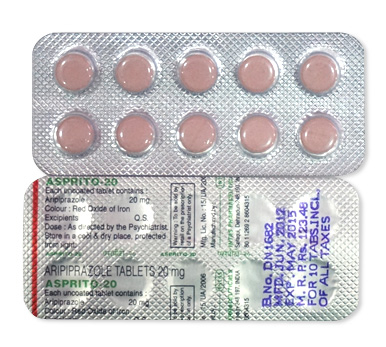
Abilify
- In Canada Abilify is officially a prescription-only medicine (Health Canada); however some community pharmacies or online vendors may supply aripiprazole products without a prescription in practice—always check local regulations and pharmacy policies.
- Abilify (aripiprazole) is used for schizophrenia, bipolar I disorder (mania/mixed), as adjunctive treatment in major depressive disorder, and for some paediatric conditions (Tourette’s, irritability in autism). It works mainly as a partial agonist at dopamine D2 and serotonin 5‑HT1A receptors and as an antagonist at 5‑HT2A receptors.
- Usual adult oral doses vary by indication: schizophrenia 10–15 mg daily (range 10–30 mg/day), bipolar mania about 15 mg/day, adjunctive use in depression 2–5 mg/day; paediatric dosing is lower (e.g., starting ~2–10 mg depending on age and indication) and should be set by a clinician.
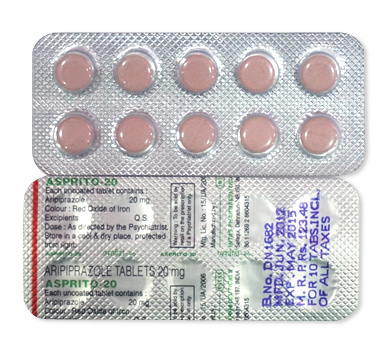
- Available forms include oral tablets (2, 5, 10, 15, 20, 30 mg), orally disintegrating tablets (10, 15 mg), oral solution (1 mg/mL) and long‑acting intramuscular injectables (Abilify Maintena monthly: 300 or 400 mg; Abilify Asimtufii every 2 months: 720 mg).
- Some symptom relief (reduced agitation or anxiety) may begin within a few days for some patients, but clinically meaningful improvement in psychosis or mood usually emerges over 1–6 weeks; adjunctive antidepressant effects should be assessed after 6–8 weeks.
- For daily oral dosing the clinical effect is maintained with once‑daily administration (steady state achieved over days to weeks); long‑acting injectables provide effective coverage for one month (Maintena) or two months (Asimtufii).
- Avoid or limit alcohol while taking Abilify — alcohol can increase drowsiness, impair coordination and worsen side effects such as dizziness and orthostatic hypotension.
- The most common side effect is akathisia (a subjective feeling of restlessness); other frequent effects include insomnia, headache, nausea, constipation, dizziness, mild sedation and transient weight gain.
- Would you like to try “Abilify” without a prescription?
Important Instructions & Warnings
Follow your prescriber’s directions exactly, and carry your prescription and Drug Identification Number (DIN) when discussing coverage with insurers or provincial drug plans.
Store Abilify (aripiprazole) at room temperature (15–30°C) and keep it out of reach of children.
Never stop Abilify suddenly without consulting your clinician, and avoid alcohol while taking it.
Be cautious driving or operating machinery until you know how Abilify affects you; if you experience severe restlessness (akathisia), suicidal thoughts, severe allergic reaction, chest pain, or fainting, seek emergency care.
For remote or rural patients, arrange virtual follow-ups and ask your pharmacy (Shoppers Drug Mart, Rexall, Jean Coutu, London Drugs) about delivery or community nursing for injectables.
Basic Abilify Information
- INN (International Nonproprietary Name): Aripiprazole
- Brand Names Available In Canada (English): Abilify; Abilify Maintena; Abilify Asimtufii; generics sold as aripiprazole under various manufacturers.
- ATC Code: N05AX12
- Forms & Dosages: Tablets 2 mg, 5 mg, 10 mg, 15 mg, 20 mg, 30 mg; Orally Disintegrating Tablets (ODT) 10 mg, 15 mg; Oral Solution 1 mg/mL; Injectable LAI Maintena 300 mg/400 mg monthly; Asimtufii 720 mg every 2 months.
- Manufacturers In Canada (English): Otsuka Pharmaceutical (originator); Lundbeck co-markets maintenance injectables; generics available from companies such as Sandoz, Teva, Mylan, Sun Pharma, Zentiva.
- Registration Status In Canada (English): Prescription-only (Rx) and approved by Health Canada for multiple indications including schizophrenia, bipolar I disorder, and adjunctive treatment in major depressive disorder per product monographs.
- OTC / Rx Classification: Prescription-only (Rx) in Canada.
- Approved Indications & Standard Dosages: Schizophrenia adults 10–15 mg daily (range 10–30 mg); adolescents ≥13 start at 10 mg; Bipolar I mania 15 mg daily (children ≥10 start 10 mg); Adjunct in major depressive disorder 2–5 mg daily; certain paediatric uses and other indications per product monograph.
- Dosage Adjustments: Start lower in elderly and children; no standard renal adjustment; use cautiously in severe hepatic impairment.
- Treatment Duration & Regimens: Acute trials typically several weeks; maintenance often required; LAIs used for maintenance treatment to improve adherence.
- Missed Dose & Overdose: If a dose is missed, take the same day if remembered; skip if near the next dose and do not double up. Overdose requires immediate medical attention.
- Storage & Transport: Store tablets/ODT at 15–30°C in original container; oral solution 1 mg/mL protected from light; injectables refrigerated prior to preparation and protected from freeze.
- Absolute Contraindications: Known hypersensitivity to aripiprazole or excipients.
- Relative Contraindications / Cautions: Elderly with dementia-related psychosis (increased mortality), history of seizures, significant cardiovascular disease (QT risk), diabetes/metabolic risk, pregnancy and lactation unless benefits outweigh risks.
- Common Side Effects: Akathisia/restlessness, insomnia, headache, nausea, constipation, dizziness, mild sedation, transient weight gain, tremor.
Everyday Use & Best Practices
How should Abilify fit into a Canadian daily routine and what small adjustments make a big difference?
Morning Vs Evening Dosing In Canadian Routines
Many adults take one daily dose of Abilify in the morning to reduce the risk of insomnia after dosing.
Some people prefer evening dosing if the medication causes mild sedation or if the prescriber recommends it for symptom timing.
For schizophrenia maintenance, typical adult schedules are 10–15 mg daily, with a range up to 30 mg per day as needed under supervision.
For bipolar mania, a common maintenance dose is around 15 mg daily for adults, depending on response and tolerability.
When used as an adjunct in major depressive disorder, low doses such as 2–5 mg daily are usual and should be titrated to effect.
Long-acting injectables such as Abilify Maintena (monthly) and Abilify Asimtufii (every two months) require coordination with the clinic or pharmacy for administration.
Book LAI appointments well ahead in rural areas because nursing availability and travel time can limit same-week access.
- Morning Routine Checklist: Take tablet or oral solution after light breakfast if nervous about nausea; check blister or dose card; record dose time if on multiple meds.
- Night Routine Checklist: If dose causes drowsiness, take at bedtime; note sleep quality and report new insomnia or restlessness.
Quick Tips:
- Use pillboxes or pharmacy blister packs for once-daily dosing adherence.
- Bring the Abilify DIN to coverage and substitution discussions with your insurer or provincial plan.
- For oral solution 1 mg/mL, measure carefully and ask the pharmacist for a dosing syringe and counselling.
Safety Priorities
Who should avoid Abilify and which activities need extra caution?
Who Should Avoid It (Health Canada Advisories)
Absolute contraindication: known hypersensitivity to aripiprazole or formulation excipients.
Health Canada warns of increased mortality in elderly patients with dementia-related psychosis; avoid use in this group except in exceptional, closely monitored cases.
Use Abilify cautiously in patients with a history of seizures, significant cardiovascular disease or QT prolongation risk, and in those with severe hepatic impairment.
Inform the prescriber about diabetes, metabolic syndrome, or a family history of metabolic conditions as monitoring may be required.
Activities To Limit (Driving, Workplace Safety)
Avoid driving or operating heavy machinery until the individual knows whether Abilify causes drowsiness, dizziness, or akathisia.
For safety-sensitive occupations such as commercial driving or construction, discuss timing, monitoring and workplace policies with the clinician and employer.
Alcohol increases sedation and may worsen side effects; recommend abstaining or minimising alcohol use while on aripiprazole.
| Who Should Avoid | Use With Caution |
|---|---|
| Known hypersensitivity to aripiprazole | Elderly with dementia-related psychosis (↑mortality) |
| Severe allergic reaction history | History of seizures |
| — | Significant cardiovascular disease / QT risk |
| — | Pregnancy or lactation unless benefits outweigh risks |
Dosage & Adjustments
What are the usual doses in Canada and how do they change for special populations?
General Regimen (DIN References)
Standard adult dosing for schizophrenia is typically 10–15 mg once daily, with a therapeutic range of 10–30 mg per day depending on response.
Bipolar mania commonly uses 15 mg once daily in adults, adjusted per clinical response.
Adjunctive dosing for major depressive disorder is 2–5 mg daily for adults, started low and titrated.
Tablets are available in 2, 5, 10, 15, 20 and 30 mg; ODT forms are 10 and 15 mg; oral solution is 1 mg/mL.
LAI formulations include Abilify Maintena 300 mg or 400 mg monthly and Abilify Asimtufii 720 mg every two months for maintenance therapy.
Always check the product DIN on the package for pharmacy coverage and possible substitutions among generic aripiprazole brands such as Teva or Sandoz.
Special Cases (Elderly, Comorbidities)
Start at a lower dose and titrate slowly in elderly patients due to increased sensitivity and fall risk.
No standard renal dosage adjustment is typically required, but use caution and clinical monitoring in severe renal impairment.
Severe hepatic impairment calls for cautious use and close monitoring, though routine dose changes are not uniformly specified.
For paediatrics, follow age-specific starting doses; for schizophrenia in adolescents ≥13 years a 10 mg start is common.
Pharmacist-led medication reviews can help identify CYP interactions and polypharmacy concerns.
- Dose Ranges Quick Reference: Schizophrenia 10–30 mg/day; Bipolar mania 15 mg/day; Adjunct MDD 2–5 mg/day.
- Formulation Table: Tablets 2–30 mg; ODT 10/15 mg; Oral solution 1 mg/mL; Maintena 300/400 mg monthly; Asimtufii 720 mg Q2M.
User Testimonials
What do Canadians say about Abilify in real life?
Positive Reports From Canadian Patients
Many Canadian patients report improved mood stabilisation and reduced psychotic symptoms when taking aripiprazole as directed.
Some note increased motivation and fewer depressive symptoms when aripiprazole is used as adjunct therapy at low doses.
Long-acting injectables are often praised for convenience and improved adherence, with monthly or bi-monthly options simplifying life for some patients.
Community clinics report that LAIs can make follow-up easier, especially when paired with outreach nursing or pharmacy administration services.
Common Challenges In Forums (Reddit Canada, Health Boards)
Forum themes include akathisia and restlessness soon after starting or after dose increases, and insomnia reported by some users.
Weight change and metabolic concerns are recurring discussion points, with patients tracking weight and lab results closely.
Provincial formulary navigation is a frequent pain point, including ODB, BC PharmaCare and RAMQ differences and required prior authorizations.
Rural Canadians commonly report delays in injection scheduling and limited evening pharmacy hours, and some consider cross-border purchases but are warned about authenticity.
- Case Vignette A (Anecdotal): A 28-year-old in Ontario switched to the 15 mg tablet and reported fewer hallucinations within weeks but experienced mild akathisia that resolved with dose timing changes.
- Case Vignette B (Anecdotal): A middle-aged patient on Abilify Maintena monthly reported improved clinic attendance and steadier mood over 6 months.
Label these as anecdotal opinions and discuss any personal experiences with clinicians before making treatment changes.
Buying Guide
Where to get Abilify in Canada and how to save while staying safe?
Pharmacy Sources (Shoppers, Rexall, Jean Coutu, London Drugs)
Abilify and aripiprazole generics are prescription-only in Canada and are stocked at national chains and community pharmacies.
Many pharmacies provide home delivery, blister packs, and may offer injection administration services for LAIs.
Ask your pharmacist for the product DIN and whether a lower-cost generic (Teva, Sandoz, Mylan) is available to reduce out-of-pocket cost.
Price Comparison (In-Store Vs Online, Cross-Border Notes)
Provincial drug plans such as Ontario Drug Benefit, BC PharmaCare and RAMQ may cover brand or generic differently and sometimes require prior authorization.
Online Canadian pharmacies can offer cost savings and are generally safer than cross-border sources if they are licensed in Canada; verify licensing and DINs.
Cross-border purchases may appear cheaper but carry authenticity and regulatory risks; always check manufacturer and DIN on arrival.
| Source | Typical Advantage | What To Check |
|---|---|---|
| Local Chain Pharmacy (Shoppers, Rexall) | In-person counselling; injection services | DIN, brand vs generic, formulary coverage |
| Community Pharmacy (Jean Coutu, London Drugs) | Local relationships; delivery | Licensing, delivery windows |
| Online Canadian Pharmacy | Price savings; discreet delivery | Canadian licensing and DIN verification |
In our online pharmacy, Abilify is available without a prescription, with discreet delivery to Canada (English) in 5-14 days.
- Safe Online Purchase Checklist:
- Confirm Canadian pharmacy licence and contact details.
- Verify product DIN and manufacturer on the label.
- Check provincial formulary rules before ordering to avoid unexpected charges.
What’s Inside & How It Works
What is aripiprazole chemically and how does it act in the brain?
Ingredients Overview
The active ingredient is aripiprazole (INN) and formulations include tablets, ODT, oral solution 1 mg/mL, and injectable LAI products such as Maintena and Asimtufii.
Excipients vary by manufacturer; patients with allergies should ask the pharmacist to review excipient lists for specific brands or generics.
Packaging sold in Canada includes bilingual labelling in English and French and each product carries a unique DIN for dispensing and coverage checks.
Mechanism Basics
Aripiprazole is a partial dopamine D2 receptor agonist and a serotonin 5‑HT1A partial agonist and 5‑HT2A antagonist, giving it a stabilizing effect on neurotransmission.
This “stabiliser” action often reduces psychotic symptoms while producing different side-effect profiles from full dopamine antagonists.
Clinically, aripiprazole tends to cause lower prolactin elevations compared with risperidone, but akathisia and insomnia remain possible adverse effects.
| Property | Aripiprazole | Typical Comparator |
|---|---|---|
| D2 Activity | Partial agonist | Risperidone (antagonist) |
| Prolactin Effect | Lower rise | Risperidone (higher rise) |
| Movement Side Effects | Akathisia possible | Higher EPS risk with older agents |
Main Indications
What are the Health Canada-approved uses for Abilify and how is it used off-label?
Approved Uses In Canada
Health Canada approves aripiprazole for schizophrenia in adults and adolescents aged 13 and older.
It is approved for bipolar I disorder for manic or mixed episodes in adults and children aged 10 and up depending on the product monograph.
Aripiprazole is approved as an adjunctive treatment for major depressive disorder in adults at low doses (2–5 mg daily).
LAI formulations such as Abilify Maintena (monthly) and Asimtufii (every two months) are approved for maintenance therapy to help prevent relapse.
Off-Label Uses By Canadian Physicians
Off-label uses sometimes include irritability in autism spectrum disorder, tic disorders, or augmentation in treatment-resistant depression.
These off-label choices are clinician-directed and should be accompanied by informed consent and appropriate monitoring.
| Indication | Typical Adult Dose | Pediatric Note |
|---|---|---|
| Schizophrenia | 10–15 mg daily (10–30 mg range) | ≥13 years: start 10 mg |
| Bipolar I Disorder (Manic) | 15 mg daily | ≥10 years: start 10 mg |
| Adjunct Major Depressive Disorder | 2–5 mg daily | Not established |
Interaction Warnings
Which foods or medicines change aripiprazole levels or effects?
Food Interactions (Alcohol, Caffeine)
Alcohol can increase sedation and impair cognition, so minimising or avoiding alcohol is advised while taking Abilify.
Caffeine may worsen anxiety or akathisia for some users, so monitoring intake and symptoms helps guide adjustments.
There are no strict food bans, but be cautious with large greasy meals if nausea occurs and consider taking the oral solution with a light snack.
Drug Conflicts (Health Canada Database)
Aripiprazole is metabolized mainly by CYP2D6 and CYP3A4, so strong CYP3A4 inhibitors such as ketoconazole or CYP2D6 inhibitors such as fluoxetine and paroxetine may increase aripiprazole plasma levels.
Strong CYP3A4 inducers like carbamazepine and rifampin can lower aripiprazole concentrations and may necessitate dose adjustments.
Concomitant use of other antipsychotics or QT-prolonging drugs increases cardiac risk, and anticholinergic drugs may worsen dry mouth or constipation.
- Interaction-Check Checklist:
- Provide a current medication list to the pharmacist including OTCs and supplements.
- Ask about CYP2D6 and CYP3A4 inhibitors/inducers before starting new drugs.
- Cross-check interactions via provincial drug-interaction tools or the Health Canada database.
Latest Evidence & Insights
What does recent research say about aripiprazole and long-acting injectables?
Randomized trials support aripiprazole’s efficacy in schizophrenia with maintenance doses typically 10–15 mg and in bipolar mania at around 15 mg per day.
Adjunctive use in major depressive disorder shows benefit at low doses (2–5 mg) versus placebo in meta-analyses.
LAI formulations such as Abilify Maintena and Asimtufii demonstrate improved adherence and reduced relapse risk in maintenance phases compared with oral treatment alone in many studies.
Compared with some antipsychotics, evidence indicates lower prolactin elevations with aripiprazole, but akathisia and weight gain remain measurable risks requiring monitoring.
Canadian audits and program reports note that pairing LAIs with dedicated nursing outreach increases uptake and adherence in rural settings.
| Indication | Level Of Evidence | Key Monitoring Points |
|---|---|---|
| Schizophrenia | High (randomized trials) | Weight, fasting glucose, lipids, EPS screening |
| Bipolar Mania | High (RCTs) | Metabolic monitoring, mood stabilization |
| Adjunct MDD | Moderate (meta-analyses) | Response assessment 6–8 weeks, metabolic checks |
Alternative Choices
What are commonly considered alternatives if Abilify is not suitable?
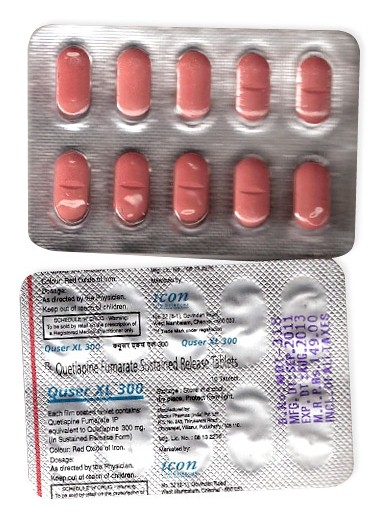
Quetiapine (Seroquel) is more sedating and often used for bipolar depression but has different metabolic and sedative profiles.
Risperidone (Risperdal) is effective for psychosis but tends to raise prolactin more and may carry a higher movement disorder risk.
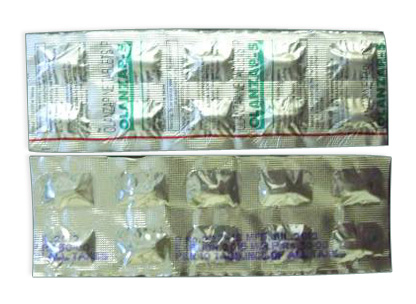
Olanzapine (Zyprexa) is potent but has higher weight gain and metabolic risk compared with aripiprazole.
Paliperidone (Invega) offers an LAI option similar to risperidone with different dosing and monitoring considerations.
- Pros/Cons Checklist:
- Compare efficacy for psychosis vs mania, sedation level, metabolic burden, movement disorder risk, and LAI availability.
- Consider formulary coverage and prior-authority rules when choosing between brand and generic alternatives.
Switching strategies such as cross-tapering should be discussed with the prescriber and pharmacist, with monitoring during transitions for withdrawal or emergent symptoms.
Regulation Snapshot
How is Abilify regulated and what should Canadians check before filling a prescription?
Abilify (aripiprazole) is prescription-only in Canada and approved by Health Canada, with each formulation and strength carrying a DIN for pharmacy dispensing.
Provincial formularies set coverage rules and may require specific criteria or prior authorizations for brand versus generic products.
Bilingual labelling (English/French) is standard on Canadian packaging, and LAI products have specific authorization and administration requirements.
- Checklist For Patients:
- Verify the DIN on the label when picking up medications.
- Check provincial formulary rules (Ontario Drug Benefit, BC PharmaCare, RAMQ) for coverage and requirements.
- Confirm where injections may be administered in your province—pharmacy, clinic, or community nursing.
FAQ Section
Quick answers to common patient questions about Abilify.
Q1: Can I Drive On Abilify?
If drowsiness, dizziness or restlessness occurs after starting or changing dose, avoid driving until effects are known and discuss occupational risks with your prescriber.
Q2: Is The Generic As Effective As Abilify Brand?
Generic aripiprazole contains the same active ingredient and is therapeutically equivalent, though excipients can differ; check the DIN and consult your pharmacist about substitution and coverage.
Q3: How Often Should Metabolic Monitoring Occur?
Baseline weight, fasting glucose or HbA1c, and lipids are recommended, with repeat checks at about 12 weeks and then annually or per provincial mental health guidelines; monitor more often if weight gain occurs.
Q4: What If I Miss A Dose?
Take a missed dose the same day if remembered and not close to the next scheduled dose; do not double up. For long-acting injectables, contact the clinic or pharmacy to reschedule the injection promptly.
Guidelines For Proper Use
How pharmacists and clinicians can support safe, effective Abilify use.
Canadian Pharmacist Counselling Points
Confirm the indication and document the product DIN at dispensing.
Review potential CYP2D6 and CYP3A4 interactions and prepare a medication interaction checklist for the patient.
Counsel patients on signs of akathisia or other EPS and provide a dosing card and clear follow-up plan.
Advise on alcohol avoidance, provide injection administration options where available, and offer adherence packaging.
Provincial Health Authority Recommendations For Monitoring
Baseline assessments should include weight/BMI, fasting glucose or HbA1c, lipids, blood pressure, EPS screening, and pregnancy status when relevant.
Ongoing monitoring commonly includes weight and metabolic labs at 6–12 weeks, review at 12 weeks, and then annually or as per provincial protocols.
For LAI recipients, schedule injection reminders and coordinate local clinic follow-up; pharmacists can help by uploading reminders to provincial e-health records where available.
| Who | Baseline | Ongoing |
|---|---|---|
| Patient | Medication list, weight, fasting labs | Report side effects, attend scheduled labs |
| Pharmacist | Check DIN, review interactions | Provide counselling, adherence packaging |
| Clinician | Prescribe per monograph, order baseline labs | Monitor symptoms, adjust dose, coordinate LAI care |
Delivery Across Canada (English)
| City | Region | Delivery time |
|---|---|---|
| Toronto | Ontario | 5-7 days |
| Montreal | Quebec | 5-7 days |
| Vancouver | British Columbia | 5-7 days |
| Calgary | Alberta | 5-7 days |
| Ottawa | Ontario | 5-7 days |
| Edmonton | Alberta | 5-7 days |
| Winnipeg | Manitoba | 5-7 days |
| Quebec City | Quebec | 5-9 days |
| Halifax | Nova Scotia | 5-9 days |
| Victoria | British Columbia | 5-9 days |
| Saskatoon | Saskatchewan | 5-9 days |
| St. John's | Newfoundland and Labrador | 5-9 days |
| London | Ontario | 5-9 days |