
Aripiprazole
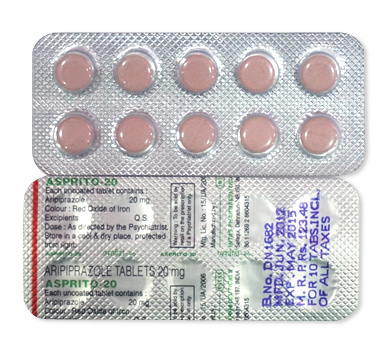
Aripiprazole
- Aripiprazole is officially prescription-only (Rx) in Canada and most major markets (FDA/EMA listed as Rx), sold as branded (Abilify, Abilify Maintena) and generics in community pharmacies and via licensed wholesalers; note that in practice some pharmacies or online vendors may dispense it without a prescription or receipt—availability varies by seller and jurisdiction, so exercise caution and be aware this is not the standard regulated route.
- Aripiprazole is used to treat schizophrenia, bipolar I disorder (mania), as an adjunct for major depressive disorder, and for irritability associated with autism; it is a dopamine D2 partial agonist with serotonin 5‑HT1A partial agonist and 5‑HT2A antagonist activity, giving it antipsychotic and mood‑stabilizing effects.
- Typical adult dosages: schizophrenia 10–15 mg/day (up to 30 mg/day); bipolar mania 15 mg/day (up to 30 mg/day); adjunct in depression 2–5 mg/day up to 15 mg/day; irritability in autism 2–15 mg/day (start low and titrate); long‑acting IM injection (Abilify Maintena) 400 mg once monthly (with oral overlap at initiation). Adjust lower for children, elderly, severe hepatic/renal impairment as guided by a clinician.
- Administered orally (tablets 2–30 mg, orally disintegrating tablets, oral solution) once daily for oral forms; intramuscular monthly injection for the long‑acting depot formulation (300/400 mg vials for Maintena).
- Onset: some sedative or agitation‑reducing effects can occur within hours to days, but meaningful antipsychotic or mood response typically begins within 1–2 weeks with continued improvement over several weeks; full therapeutic effects may take several weeks (commonly 2–6 weeks).
- Duration of action: oral dosing is once daily (single‑dose effects last ~24 hours), but aripiprazole has a long plasma half‑life (~70–75 hours) so effects persist for days and steady state is reached in ~2 weeks; the long‑acting injectable provides therapeutic coverage for one month per injection.
- Avoid or minimise alcohol while taking aripiprazole—alcohol can increase drowsiness, impair coordination and judgment, and may worsen adverse effects such as sedation, dizziness and orthostatic hypotension.
- The most common side effects include akathisia (restlessness), insomnia, anxiety, headache, nausea, vomiting, dizziness and somnolence; other notable risks include extrapyramidal symptoms, weight gain, metabolic changes and rare cases of neuroleptic malignant syndrome.
- Would you like to try aripiprazole without a prescription?
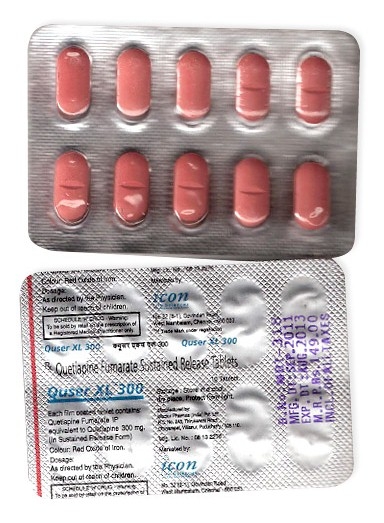
Basic Aripiprazole Information
- INN (International Nonproprietary Name): Aripiprazole
- Brand Names Available In Canada (English): not specified
- ATC Code: N05AX12
- Forms & Dosages: Tablets 2 mg, 5 mg, 10 mg, 15 mg, 20 mg, 30 mg; Oral solution 1 mg/mL (not in all countries); Orally disintegrating tablets 10 mg, 15 mg (selected brands); Long-acting depot injection 300 mg, 400 mg ("Abilify Maintena")
- Manufacturers In Canada (English): not specified
- Registration Status In Canada (English): not specified
- OTC / Rx Classification: Prescription-only (Rx)
Read This Before Using Any Content Below:
- Confirm Health Canada approval and the Drug Identification Number (DIN) on your aripiprazole package before use.
- Keep a concise medication list for emergency visits and carry provincial drug‑card info (e.g., ODB, BC PharmaCare, RAMQ).
- Never stop or change dose abruptly without medical advice from the prescriber or pharmacist.
- Avoid alcohol while starting or changing dose and tell your employer or driver’s licensing authority if you experience sedation or dizziness.
- Store tablets at room temperature (15–30°C) and keep injectables per the label; retain original packaging for bilingual labelling.
- If you live rurally, arrange mail order or longer supplies through national chains or telepharmacy and allow extra time for cross‑province reimbursement.
- If you suspect severe adverse effects (neuroleptic malignant syndrome, seizures, breathing problems), seek emergency care and bring medication packaging.
Everyday Use & Best Practices
Morning Vs Evening Dosing In Canadian Routines
Patients often ask whether to take aripiprazole in the morning or at night based on work and sleep patterns.
For many adults starting treatment for schizophrenia the usual initiation dose is 10–15 mg/day with a maximum of 30 mg/day, and prescribers choose timing to reduce side effects.
If aripiprazole causes daytime sleepiness, a nighttime dose usually helps reduce daytime drowsiness.
If restlessness or akathisia appears, a morning dose can be easier to tolerate while at work and allow symptoms to settle before bed.
Adolescents and sensitive adults should start at lower doses and titrate slowly under prescriber guidance to find the best dosing time and avoid abrupt changes.
Taking With Or Without Meals (Canadian Diet Context)
Aripiprazole can be taken with or without food with no clinically important change in absorption for most people.
With heavy, high-fat meals common in some Canadian weekends, no major absorption change is expected, but individual nausea may improve if the tablet is taken with a light snack.
For oral solution or orally disintegrating tablets, follow the package directions and avoid chewing ODTs meant to disintegrate on the tongue.
For long‑acting intramuscular injections (Abilify Maintena), follow clinic scheduling and the initiation requires 14 days of oral overlap as per product information.
- Dosing Routine Checklist:
- Use a pillbox or blister pack organised by morning/evening doses.
- Set smartphone or watch reminders aligned with clinic injection appointments for Maintena.
- Keep provincial drug-card info with your medication list for refill coordination (ODB, BC PharmaCare, RAMQ).
- Discuss switching dose time with your pharmacist if you get new symptoms like somnolence or akathisia.
Safety Priorities
Who Should Avoid It (Health Canada Advisories)
Aripiprazole is prescription-only and not suitable for anyone with a known hypersensitivity to the active drug or excipients.
Health Canada and international authorities warn of increased mortality in elderly patients with dementia treated with antipsychotics; use is generally avoided in that population unless benefits clearly outweigh risks.
Caution is advised for patients with significant cardiovascular disease, a history of seizures, severe hepatic or renal impairment, or metabolic disorders such as diabetes due to the risk of hyperglycaemia and related complications.
Rare but serious risks include neuroleptic malignant syndrome and tardive dyskinesia; monitor and report new movement abnormalities promptly.
Activities To Limit (Driving, Workplace Safety)
Until you know how aripiprazole affects you, avoid driving, operating heavy machinery, or safety‑sensitive work.
If dizziness, orthostatic hypotension, or somnolence occur, report these symptoms to your prescriber and follow occupational health rules or provincial licensing requirements.
For Canadians doing winter sports or shift work, trial dosing on a non‑critical day is recommended to test tolerance before high‑risk activities.
| Contraindication/High Risk | Monitoring Or Action |
|---|---|
| Known hypersensitivity to aripiprazole or components | Avoid use; seek alternative antipsychotic per prescriber |
| Elderly patients with dementia | Generally avoid; if used, limited dosing and close monitoring for signs of infection, sedation, or cardiovascular events |
| History of seizures | Monitor seizure control; consult neurology if seizures occur or history is significant |
| Cardiovascular disease (arrhythmia, ischemia) | Baseline ECG where indicated; monitor blood pressure and orthostatic symptoms |
| Diabetes or metabolic risk | Baseline and periodic weight, fasting glucose, and lipids |
Dosage & Adjustments
General Regimen (DIN References)
Typical adult schizophrenia dosing is 10–15 mg/day with a maximum of 30 mg/day, and bipolar I manic episodes commonly use 15 mg/day with similar maximums.
For adjunctive therapy in major depressive disorder, starting doses are often 2–5 mg/day with up-titration to 15 mg/day where indicated.
Pediatric and adolescent dosing begins at lower doses, for example starting around 2 mg with titration toward 10 mg in teens when appropriate.
Check the DIN on the package at dispensing to confirm product strength and manufacturer—tablets of aripiprazole are commonly available in 2–30 mg strengths; ODTs in 10/15 mg; oral solution 1 mg/mL; and injectable Maintena in 300/400 mg vials.
Special Cases (Elderly, Comorbidities)
- Adjustment Steps:
- Start elderly patients on a lower dose and increase slowly while monitoring for orthostatic hypotension and somnolence.
- In severe hepatic or renal impairment, involve a specialist—mild to moderate impairment often requires careful monitoring rather than routine dose change.
- Switching or stopping should follow a prescriber-directed taper to avoid withdrawal or relapse.
- Missed oral dose: take as soon as remembered unless close to the next dose; do not double doses.
- Missed depot appointment: contact the prescriber—missed windows beyond 5–6 weeks need clinical review and may require oral supplementation or a revised injection plan.
- Confirm provincial reimbursement rules and DIN when seeking coverage or prior authorization for brand versus generic products.
User Testimonials
Positive Reports From Canadian Patients
Many Canadians report clearer thinking and reduced hallucinations within weeks when switched to aripiprazole from more sedating antipsychotics.
Patients often note increased energy and motivation and fewer prolactin-related effects compared with risperidone or haloperidol.
Common Challenges In Forums (Reddit Canada, Health Boards)
Commonly discussed side effects include akathisia (restlessness), insomnia, initial nausea, and weight gain.
Rural threads frequently mention access problems for Maintena injections and recommend mail order, coordinating with community health centres, or travelling to a clinic for monthly injections.
Cost and coverage are frequent concerns; many patients discuss brand versus generic pricing and provincial formulary listings, with mixed reports when switching manufacturers such as Teva or Mylan.
- Pros: Improved clarity, lower prolactin signal, multiple formulations including tablets, ODT, solution, and long‑acting injection.
- Cons: Risk of akathisia, insomnia, metabolic changes, and occasional access issues for depot injections in remote areas.
- Checklist For Clinician Conversation:
- Discuss tolerability history with previous antipsychotics and concerns about weight or movement side effects.
- Confirm which manufacturer (brand vs generic) will be dispensed and ask the pharmacist about DIN and packaging.
- Plan for access to depot injections if maintenance therapy is likely.
Buying Guide
Pharmacy Sources (Shoppers, Rexall, Jean Coutu, London Drugs)
Aripiprazole requires a prescription and is dispensed through major chains (Shoppers Drug Mart, Rexall, Jean Coutu, London Drugs), community pharmacies, hospital outpatient pharmacies, and licensed online Canadian pharmacies.
Long‑acting injections are usually administered at clinics, hospital outpatient services, or mental health centres rather than self‑administered.
Check the DIN and manufacturer on the package to confirm the product you receive; original brands include Otsuka/Bristol‑Myers Squibb and generics are commonly supplied by Teva, Mylan and others.
Price Comparison (In-Store Vs Online, Cross-Border Notes)
Brand-name Abilify is typically more expensive than generics; provincial drug plans may list generics preferentially or require prior authorization for brand products or certain indications.
Cross-border purchases from the U.S. can show price differences but watch regulatory and importation issues and the requirement for Health Canada DINs and bilingual labelling when supplying in Canada.
For rural patients consider mail-order through Canadian pharmacies or synchronized multi‑month dispensing if permitted by your provincial plan to reduce travel for refills or clinic injections.
| Product Type | Typical Source | Coverage Notes |
|---|---|---|
| Brand (Abilify Tablets) | Major chains, hospital pharmacies | More costly; may need prior authorization on some provincial formularies |
| Generic (Teva, Mylan, others) | Community and chain pharmacies | Commonly listed on provincial formularies and more cost‑effective |
| Long‑acting Injection (Abilify Maintena) | Hospital clinics, community mental health clinics | Usually clinic-administered; coverage varies by province and program |
In our online pharmacy, aripiprazole is available without a prescription, with discreet delivery to Canada (English) in 5-14 days.
What’s Inside & How It Works
Ingredients Overview
The active ingredient in all products is aripiprazole; excipients vary by manufacturer and product form.
Tablets and ODTs may include lactose, colourants, binders, or disintegrants—check the package for allergen declarations specific to the manufacturer.
Oral solution strength is commonly 1 mg/mL where available and long‑acting depot products are supplied as 300 mg or 400 mg suspensions for intramuscular injection.
Mechanism Basics
Aripiprazole is a partial agonist at dopamine D2 and serotonin 5‑HT1A receptors and an antagonist at 5‑HT2A receptors, producing a stabilising effect on neurotransmitter systems implicated in psychosis and mood disorders.
This pharmacology explains why therapeutic effects may appear over days to weeks and why monitoring for metabolic and movement-related side effects is recommended.
| Formulation | Strengths | Common Excipients / Notes |
|---|---|---|
| Tablets | 2, 5, 10, 15, 20, 30 mg | Excipients vary; check packaging for lactose or colouring agents |
| Oral Solution | 1 mg/mL | Not available in all regions; read label for preservatives |
| ODT | 10, 15 mg (selected brands) | Designed to disintegrate on tongue; avoid chewing if label indicates |
| Long‑Acting IM (Maintena) | 300 mg, 400 mg | Suspension for monthly IM injection; clinic administration |
- Allergy Check: Review the package insert for lactose, dyes, or other excipients that may trigger reactions.
Main Indications
Approved Uses In Canada
Aripiprazole is indicated for schizophrenia in adults with typical dosing around 10–15 mg/day and a 30 mg/day maximum in many product labels.
It is indicated for bipolar I manic episodes with common dosing at 15 mg/day and a maximum of 30 mg/day.
Aripiprazole is also used as an adjunctive treatment in major depressive disorder at low doses (2–5 mg up to 15 mg) and for irritability in certain pediatric autism indications where approved.
Long‑acting intramuscular (Abilify Maintena) products are indicated for monthly maintenance treatment of schizophrenia with recommended oral overlap for 14 days at initiation.
Off-Label Uses By Canadian Physicians
Clinicians may use aripiprazole off‑label for augmentation in treatment‑resistant depression, for certain anxiety presentations, or for behavioural disturbances when judged clinically appropriate.
Provincial formularies may require prior authorization for some off‑label uses; always check with the prescriber and pharmacist before starting therapy.
- Indications Vs Monitoring Checklist:
- Confirm Health Canada‑labelled indication and DIN on the package at dispensing.
- Plan baseline labs and follow‑up if used long term (weight, glucose, lipids, blood pressure).
- For Maintena, ensure clinic appointment scheduling and injection records.
Interaction Warnings
Food Interactions (Alcohol, Caffeine)
Avoid alcohol while starting or changing dose of aripiprazole due to additive sedation and impaired coordination.
Caffeine can worsen anxiety or akathisia in some patients and may unmask restlessness during dose changes.
Grapefruit is not a major known interaction for aripiprazole, but consult the product monograph for specific brand warnings.
Drug Conflicts (Health Canada Database)
Aripiprazole is metabolised primarily by CYP2D6 and CYP3A4 pathways and interactions with strong inhibitors or inducers of these enzymes can alter drug levels.
Examples include CYP3A4 inducers such as carbamazepine which may lower aripiprazole levels and strong inhibitors like certain antifungals or fluvoxamine which may raise levels and require dose adjustment.
Combining aripiprazole with other central nervous system depressants increases sedation risk, and antipsychotic polypharmacy heightens extrapyramidal and metabolic risks.
Use Health Canada’s Drug Product Database and the pharmacy medication profile to screen for interactions, especially in elderly patients and those on opioids or benzodiazepines.
| High‑Risk Co‑Medications | Potential Effect |
|---|---|
| Carbamazepine (CYP3A4 inducer) | May reduce aripiprazole exposure; dose adjustment or alternative may be needed |
| Strong CYP3A4 or CYP2D6 inhibitors (some antifungals, fluvoxamine) | May increase aripiprazole levels; consider dose reduction or closer monitoring |
| Other CNS depressants (alcohol, opioids, benzodiazepines) | Increased sedation and respiratory depression risk; monitor closely |
Latest Evidence & Insights
Highlight Canadian And International Research
Aripiprazole has extensive trial data globally supporting efficacy in schizophrenia, bipolar mania, and as adjunctive therapy in depression, with more than 385 clinical trials reported in the international literature.
Long‑acting depot formulations improve adherence in maintenance schizophrenia and are supported by clinical studies and real‑world evidence.
Meta‑analyses indicate a lower effect on prolactin compared with risperidone and haloperidol, though akathisia and weight gain signals vary across studies.
| Evidence Area | Summary |
|---|---|
| Schizophrenia RCTs | Multiple RCTs show efficacy at 10–15 mg/day with maintenance benefits for symptom control |
| Bipolar Mania | Effective at ~15 mg/day in acute mania trials with possible maintenance roles |
| Depot (Maintena) | Monthly injections improve adherence; initiation requires 14 days oral overlap |
| Comparative Safety | Lower prolactin elevation versus some antipsychotics; variable akathisia/weight signals |
Use this evidence in shared decision‑making and consult provincial guidelines or specialists for formulary placement and individualised therapy choices.
Alternative Choices
List Of Comparable Medicines With Pros/Cons Checklist
Alternatives to consider include risperidone, olanzapine, quetiapine, paliperidone, ziprasidone, and lurasidone.
Each alternative has trade-offs in efficacy and side‑effect profiles that influence selection depending on patient comorbidities and monitoring needs.
- Risperidone — effective; higher risk of prolactin elevation and weight gain.
- Olanzapine — potent antipsychotic; higher metabolic burden and weight risk.
- Quetiapine — sedating and useful when sleep is needed; metabolic monitoring still required.
- Paliperidone — available in depot form; metabolic monitoring required.
- Ziprasidone — less weight gain but QTc concerns; dosing with food matters for absorption.
- Lurasidone — generally favourable metabolic profile; requires dosing with food.
- When choosing alternatives consider efficacy for the target symptom, side‑effect risk (metabolic, movement, sedation), patient comorbidities, and provincial formulary/coverage requirements.
Regulation Snapshot
Health Canada Approval And DIN Requirements
Aripiprazole is prescription‑only in major markets and packaging in Canada must display a Drug Identification Number (DIN) to confirm market approval.
Both brand products (Abilify and Abilify Maintena) and multiple generics (Teva, Mylan, and others) are marketed internationally; check the DIN and manufacturer on the package dispensed in Canada.
Long‑acting injectable Maintena is licensed for monthly maintenance dosing with an oral overlap at initiation per product information.
Provincial formularies list aripiprazole products variably and some may require prior authorization or step therapy for brand versus generic products.
| Regulatory Item | Notes |
|---|---|
| Health Canada Approval | Packaging must show DIN; confirm DIN at dispensing |
| Product Options | Brand and generic options exist; check manufacturer and DIN on bottle/blister |
| Provincial Formularies | Coverage and prior authorization rules vary by province (e.g., ODB, BC PharmaCare, RAMQ) |
FAQ Section
Can I Get Aripiprazole At My Local Shoppers Or Rexall?
Yes, with a prescription most major pharmacy chains stock brand and generic aripiprazole; confirm DIN and check provincial coverage with the pharmacist.
What If I Miss My Abilify Maintena Injection?
Contact your prescriber or clinic promptly; missed windows beyond recommended intervals require clinical assessment and you should not self‑administer oral doses to “catch up” without guidance.
Will It Make Me Gain Weight?
Weight gain is possible with aripiprazole though the risk profile differs from other antipsychotics; monitor weight, lipids and glucose per provincial guidelines.
Is It Safe In Pregnancy?
Discuss risks and benefits with an obstetric provider and psychiatrist—use specialist guidance for medication decisions during pregnancy.
- When To Call Emergency:
- Signs of severe adverse reaction such as high fever, extreme muscle stiffness, breathing difficulties, seizures, or sudden loss of consciousness.
- When To Call Pharmacy/Prescriber:
- Milder adverse effects like persistent akathisia, new tremor, dizziness, nausea, or concerns about missed doses and injection scheduling.
Guidelines For Proper Use
Canadian Pharmacist And Provincial Health Authority Recommendations
Coordinate prescriptions with your community pharmacist to confirm DIN, manufacturer, dosing, and a monitoring plan before starting aripiprazole.
Baseline and periodic monitoring commonly recommended includes weight, fasting glucose, lipids, blood pressure, and assessments for movement disorders.
For long‑acting injections arrange appointment reminders and maintain injection logs; clinics may bill provincial programs differently so confirm coverage and required paperwork ahead of time.
Pharmacists can provide blister packs, multi‑month dispensing where allowed, and check for interactions using Health Canada’s product database.
- Pharmacy Counselling Template / Checklist:
- Confirm DIN and manufacturer at dispensing.
- Baseline labs: weight/BMI, fasting glucose, fasting lipids, blood pressure.
- Follow‑up intervals: typically within the first few weeks for tolerability, then periodic metabolic and movement assessments per prescriber.
- Red‑flag symptoms: high fever, severe muscle rigidity, sudden movement changes, severe dizziness or fainting.
- For rural patients: set up telepharmacy visits, mail‑order arrangements, and local emergency contacts.
Delivery Across Canada (English)
| City | Region | Delivery time |
|---|---|---|
| Toronto | Ontario | 5-7 days |
| Montreal | Quebec | 5-7 days |
| Vancouver | British Columbia | 5-7 days |
| Calgary | Alberta | 5-7 days |
| Edmonton | Alberta | 5-7 days |
| Ottawa | Ontario | 5-7 days |
| Winnipeg | Manitoba | 5-7 days |
| Halifax | Nova Scotia | 5-9 days |
| Quebec City | Quebec | 5-9 days |
| Saskatoon | Saskatchewan | 5-9 days |
| Regina | Saskatchewan | 5-9 days |
| St. John’s | Newfoundland and Labrador | 5-9 days |
| Victoria | British Columbia | 5-7 days |
| London | Ontario | 5-7 days |