
Metronidazole

Metronidazole
- You can buy metronidazole from pharmacies and dispensaries in Canada and many other countries; however, it is generally a prescription-only medicine, though in some pharmacy settings it may be available without a prescription depending on local regulations and product type.
- Metronidazole is used to treat bacterial vaginosis, trichomoniasis, anaerobic bacterial infections, amoebiasis, giardiasis, dental infections, and some H. pylori combination regimens. It works as a nitroimidazole antimicrobial that damages microbial DNA, leading to cell death.
- The usual dose depends on the infection: commonly 500 mg by mouth or IV every 8 hours for anaerobic infections, 2 g once or 250 mg three times daily for trichomoniasis, and 500 to 750 mg three times daily for amoebiasis or giardiasis.
- Metronidazole is available as tablets, extended-release tablets, capsules, oral suspension, intravenous injection, topical cream or gel, and vaginal gel or suppositories.
- Metronidazole usually starts working within a few hours, but symptom improvement may take 1 to 3 days depending on the infection and the route of administration.
- The duration of action is typically several hours per dose, so it is often taken multiple times daily; treatment courses usually last from 3 to 14 days depending on the condition.
- Do not drink alcohol during treatment with metronidazole and for at least 48 hours after the last dose, because it can cause a disulfiram-like reaction with nausea, vomiting, flushing, and cramps.
- The most common side effects are nausea, a metallic taste, vomiting, diarrhoea, headache, dizziness, dark urine, and sometimes rash or yeast infection with prolonged use.
- Would you like to try metronidazole without a prescription?
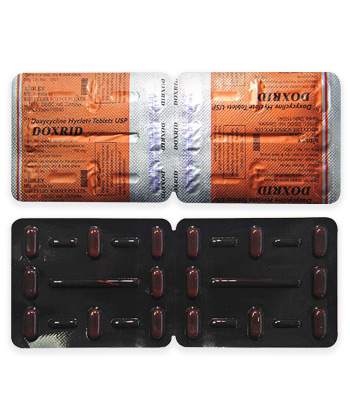







Basic Metronidazole Information
- INN (International Nonproprietary Name): Metronidazole
- Brand names available in Canada (English): Neo-Tric, Trikacide
- ATC Code: J01XD01
- Forms & Dosages: Tablets 200 mg, 250 mg, 400 mg, 500 mg; extended-release 750 mg; capsules 375 mg; oral suspension 200 mg/5 mL or 400 mg/5 mL; IV injection 500 mg/100 mL or 5 mg/mL; topical cream 0.75% or 1%; vaginal gel 0.75% or 1%
- Manufacturers in Canada (English): Local distribution; major global manufacturers and generics include Pfizer, Teva, Zydus Lifesciences, Alembic, Galderma, Abbott, Baxter, Aurobindo, B Braun, Hospira, Hikma, Unichem, Taro, Chemo, Pliva, Bausch, Lupin, Amneal, Strides Pharma, Esjay, Innogenix, Watson Labs, and Saptalis
- Registration status in Canada (English): Prescription only (Rx)
- OTC / Rx classification: Prescription only (Rx)
Everyday Use, Warnings, And Canadian Routine Fit
Morning Vs Evening Dosing In Canadian Routines
Trying to fit a metronidazole schedule into a busy Canadian week can feel tricky at first.
For many people, a metronidazole tablet or metronidazole pill is taken morning, afternoon, and evening so it can match work, school, shift work, caregiving, or a long commute.
Prescription directions may differ by condition and product form, so the label and pharmacist instructions need to be followed exactly.
Canadian packaging may be bilingual, and the medicine may be dispensed through a local pharmacy or a hospital pharmacy depending on the setting.
Taking With Or Without Meals
If stomach upset shows up, taking the dose with food is often easier on the stomach when the label allows it.
Staying hydrated can also help, especially during winter travel, snow days, or long drives between towns.
Before the first dose, a quick checklist helps:
- Confirm the form you received, whether it is tablets, capsules, oral suspension, topical cream, vaginal gel, or IV injection.
- Check that oral and topical products are stored at room temperature.
- Read the dose on the box and bottle exactly as written.
- Ask a pharmacist if you are unsure about timing with meals.
That simple routine makes metronidazole easier to use safely in everyday Canadian life.
Safety Priorities For Canadian Patients
Who Should Avoid It
Some people should not take metronidazole at all, while others need careful monitoring.
It is contraindicated in people with an allergy to metronidazole or other nitroimidazoles, and first trimester use is avoided for some indications.
Extra caution is needed in epilepsy or other CNS disorders, severe liver disease, chronic alcoholism, children, and pregnancy beyond the first trimester unless the prescriber decides the benefits outweigh the risks.
Reading the bottle the way Health Canada-style labelling suggests is a smart habit, and confirming the DIN on the box or bottle helps make sure the product matches the prescription record.
Activities To Limit
Dizziness and nausea can make normal activities less safe, even when the medicine is helping.
- Do not drive if you feel dizzy or unsteady.
- Do not operate tools or machinery if side effects are making you slow or light-headed.
- Do not take on safety-sensitive work without checking how you react first.
- Do not assume rural driving, snow clearing, or night shifts will feel normal on day one of treatment.
Those cautions matter because metronidazole side effects can show up early, and even a tired shift worker can notice the difference quickly.
Dosage, Strengths, And Special Adjustments
General Regimen
Metronidazole dosage depends on the infection, the form, and the prescriber’s goal.
Common adult regimens include 500 mg IV or by mouth every 8 hours for anaerobic infections, 2 g once or 250 mg three times daily for trichomoniasis, 500 mg twice daily for bacterial vaginosis, and 500 mg to 750 mg three times daily for amoebiasis or giardiasis.
The medicine is prescription-only in nearly all countries, including Canada, and it comes as metronidazole tablets, topical and vaginal forms, oral suspension, and IV preparation.
Special Cases
Children are dosed by weight, usually 7.5 mg/kg by mouth every 8 hours, with a common maximum of 500 mg per dose.
Older adults often use standard adult doses, but they are watched more closely for CNS effects and cumulative toxicity.
Severe hepatic impairment usually calls for a 50% dose reduction, while renal failure usually does not require an adjustment unless it is severe.
Here is a practical comparison:
| Condition Or Patient Group | Typical Dose | Practical Note |
|---|---|---|
| Anaerobic infection | 500 mg IV/PO every 8 hours | Often 7 to 10 days |
| Trichomoniasis | 2 g once or 250 mg three times daily | Course depends on the prescription |
| Bacterial vaginosis | 500 mg twice daily or 0.75% topical | Usually 5 to 7 days |
| Child | 7.5 mg/kg by mouth every 8 hours | Max usually 500 mg per dose |
| Severe liver impairment | Reduce by 50% | Needs prescriber oversight |
That kind of dose adjustment is why products such as APO-Metronidazole and JAMP-Metronidazole should always be used exactly as prescribed.
User Experience: What Canadian Patients Commonly Report
Positive Reports From Canadian Patients
People often say metronidazole is straightforward to take when the directions are clear.
Common practical positives include symptom improvement, simple dosing, and easy access through community pharmacies across Canada.
For someone dealing with bacterial vaginosis treatment or a dental infection, having a familiar metronidazole tablet in hand can feel reassuring.
Common Challenges In Forums
Online discussions often mention a metallic taste, nausea, and confusion about alcohol avoidance.
- Pros: familiar drug, wide use, available in several forms.
- Pros: pharmacists can usually explain the schedule quickly.
- Cons: metallic taste and stomach upset.
- Cons: alcohol rules are often misunderstood.
Forum posts can be helpful for general ideas, but they do not replace individual medical advice, and in Canada a pharmacist is often the best first contact for metronidazole experiences or metronidazole side effects.
Buying Guide In Canada
Pharmacy Sources
Canadian patients commonly fill metronidazole at Shoppers Drug Mart, Rexall, Jean Coutu, London Drugs, independent pharmacies, or hospital pharmacies.
Rural and remote access can be harder, so online refill portals and telehealth prescribing may help when the product is clinically appropriate.
Canadian brand names include Neo-Tric and Trikacide, and in our online pharmacy, metronidazole is available without a prescription, with discreet delivery to Canada in 5 to 14 days.
Price Comparison
The price of metronidazole tablets price searches varies by DIN, brand versus generic, province, and drug plan coverage.
Ontario Drug Benefit, BC PharmaCare, and RAMQ in Quebec can all affect the final cost for eligible patients.
Cross-border shopping is not as simple as it looks, because US products such as Flagyl or Metrogel may differ in packaging, strength, or dispensing rules.
| Where To Buy | Coverage Notes | Practical Point |
|---|---|---|
| Community pharmacy | May be covered by provincial or private plans | Best for counselling and refill help |
| Hospital pharmacy | Often used for inpatient IV treatment | Useful for more complex infections |
| Online pharmacy | Coverage depends on prescription rules and plan status | Helpful for distance access |
Buying metronidazole Canada-wide is usually easier when the DIN and the prescription details are matched before checkout.
What Is Inside And How It Works
Ingredients Overview
The active ingredient is metronidazole.
It may appear in tablets, capsules, suspension, IV injection, topical cream, or vaginal gel.
Global brand examples used for context include Flagyl, Metrogel, and Noritate in other markets.
Mechanism Basics
Metronidazole is an antibacterial and antiprotozoal medicine used against certain anaerobic organisms and parasites.
In plain language, it helps stop the growth of germs that thrive without oxygen and some parasites that cause infection.
The ATC code is J01XD01, which places it in the imidazole derivatives group.
Glossary: antibacterial means it works against certain bacteria; antiprotozoal means it works against some single-celled parasites; anaerobic means the organism grows without oxygen.
Main Indications And Common Uses In Canada
Approved Uses In Canada
Metronidazole is commonly prescribed for bacterial vaginosis, trichomoniasis, anaerobic infections, giardia, amoebiasis, dental abscess support, and some hospital IV use.
Topical metronidazole may also be used for rosacea when prescribed.
Off-Label Uses By Canadian Physicians
Some clinicians use it in combination regimens, including H. pylori protocols, when that is the right choice for the case.
People should not try to self-treat suspected infections based on internet advice, because the right form and duration depend on the diagnosis.
| Condition | Typical Form | Typical Duration |
|---|---|---|
| Bacterial vaginosis | Oral tablet or vaginal gel | 5 to 7 days |
| Trichomoniasis | Oral tablet | 1 to 7 days |
| Anaerobic infection | Oral or IV | 7 to 10 days |
| Rosacea | Topical cream or gel | Several weeks |
Interaction Warnings: Food, Alcohol, And Other Medicines
Food Interactions
Alcohol should be avoided during treatment and for the recommended period after the last dose because of the risk of a disulfiram-like reaction.
If the label allows it, taking the medicine with food can help with nausea.
Caffeine is not a major direct interaction, but it can make jitteriness feel worse in sensitive patients.
Drug Conflicts
Every prescription, over-the-counter product, vitamin, and supplement should be checked with a pharmacist or prescriber.
Pharmacy records and the Health Canada drug database are useful for interaction screening.
- Ask your pharmacist if you take seizure medicines.
- Ask your pharmacist if you take liver-related medications.
- Ask your pharmacist if you use sleep aids, cold products, or supplements.
- Ask your pharmacist if you drink alcohol regularly.
That checklist matters because metronidazole warnings can affect everyday medication plans more than patients expect.
Latest Evidence And Clinical Insights
What Research Suggests
Metronidazole remains a standard option for anaerobic and protozoal infections, and it still has an important role in gynecology and dentistry.
Resistance and antibiotic stewardship matter, so the medicine should be used only when clearly indicated.
That is why Canadian guidelines and prescribers try to match the drug to the organism rather than using it broadly for every stomach or vaginal symptom.
Practical Takeaways For Patients
For Canadians, the biggest lesson is simple: take the full course if it is prescribed, and do not stop early just because symptoms improve.
Topical versus oral therapy depends on the diagnosis, not on personal preference alone.
| Condition | Evidence Use | Practical Note |
|---|---|---|
| Anaerobic infection | Standard treatment option | Adherence matters |
| Trichomoniasis | Standard treatment option | Partner treatment may matter |
| Bacterial vaginosis | Commonly used option | Form depends on the case |
| Rosacea | Topical use where prescribed | Usually a longer course |
Alternative Choices Compared With Metronidazole
Comparable Medicines
Tinidazole, ornidazole, secnidazole, and clindamycin are common alternatives.
The main practical differences are dosing convenience, availability, and whether the clinician prefers one drug for a specific infection pattern.
Metronidazole is often chosen because it is widely available, familiar to prescribers, and supported by long-standing use.
Pros And Cons Checklist
- May be preferred: broad use, well-known dosing, wide availability.
- May be preferred: useful in many oral and IV settings.
- Alternative may be considered: intolerance to metronidazole.
- Alternative may be considered: infection pattern or clinician preference.
| Medicine | Practical Difference | Common Use Case |
|---|---|---|
| Tinidazole | Different dosing convenience | Selected protozoal or vaginal infections |
| Secnidazole | Convenience may matter | Some vaginal infection regimens |
| Clindamycin | Different antibiotic profile | Alternative when appropriate |
Regulation Snapshot For Canada
Health Canada And DIN Requirements
Canadian metronidazole products should have a Drug Identification Number, and pharmacy dispensing controls apply.
The medicine is prescription only, and provincial formularies and hospital formularies influence access.
Labelling And Access Realities
Bilingual labelling is common in Canada, and patients may see different brands depending on province and supply chain.
Neo-Tric and Trikacide are part of the Canadian distribution context, and that can affect what shows up on the shelf from one pharmacy to the next.
- DIN should be present on the package.
- Prescription status is the norm.
- Brand availability can vary by province.
- Supply may differ between community and hospital settings.
Frequently Asked Questions For Canadian Patients
Common Questions
Can I drink alcohol while taking metronidazole? No, alcohol should be avoided during treatment and for the recommended time after the last dose.
What if I miss a dose? Take it when remembered unless it is close to the next dose; do not double up.
Is it safe in pregnancy? It depends on the trimester and the reason for treatment, so the prescriber needs to make that call.
Can I use it with my other medications? It may be possible, but a pharmacist should check for interactions first.
Proper Use, Storage, And When To Call A Pharmacist
Everyday Use Guidance
Metronidazole should be taken exactly as prescribed, and the full course should be completed even if symptoms improve early.
It should not be shared with anyone else.
If a dose is missed, take it as soon as it is remembered unless the next dose is close; if that happens, skip the missed dose and do not double up.
Overdose symptoms can include nausea, ataxia, seizures, and peripheral neuropathy, and that needs urgent medical attention.
Storage And Pharmacist Support
Store tablets, capsules, and cream at room temperature, away from heat, freezing, and moisture.
IV vials should be protected from light.
Oral and topical forms do not usually need refrigeration, and original packaging helps keep them stable.
Canadian patients can ask a pharmacist about refills, provincial coverage, and travel storage for rural commutes or winter trips.
- Keep the bottle in the original container.
- Do not store in a damp bathroom cabinet.
- Protect IV products from light.
- Call a pharmacist if side effects are severe or the dose is unclear.
Delivery Across Canada (English)
| City | Region | Delivery time |
|---|---|---|
| Toronto | Ontario | 5-7 days |
| Ottawa | Ontario | 5-7 days |
| Mississauga | Ontario | 5-7 days |
| Hamilton | Ontario | 5-7 days |
| London | Ontario | 5-7 days |
| Montreal | Quebec | 5-7 days |
| Quebec City | Quebec | 5-7 days |
| Calgary | Alberta | 5-7 days |
| Edmonton | Alberta | 5-7 days |
| Vancouver | British Columbia | 5-7 days |
| Winnipeg | Manitoba | 5-7 days |
| Halifax | Nova Scotia | 5-7 days |
| Regina | Saskatchewan | 5-9 days |
| Saskatoon | Saskatchewan | 5-9 days |
| St. John's | Newfoundland and Labrador | 5-9 days |