
Cilostazol
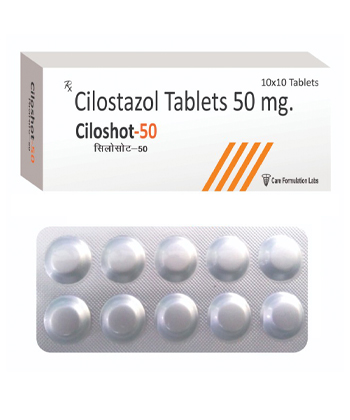
Cilostazol
- In Canada and most countries where it is marketed (sold as Pletal and generics), cilostazol is a prescription-only medicine dispensed by pharmacies; check your local pharmacy or health authority for specific availability and dispensing rules.
- Cilostazol is used to relieve walking discomfort from intermittent claudication in peripheral arterial disease; it is a phosphodiesterase III inhibitor that increases intracellular cAMP in platelets and blood vessels, reducing platelet aggregation and causing vasodilation.
- The usual adult dose is 100 mg orally twice daily, taken at least 30 minutes before breakfast and dinner; dosing in children is not established.
- Administered orally as film-coated tablets (commonly 100 mg; some products also available as 50 mg).
- Onset of effect is gradual — improvements may begin over several weeks, with up to about 12 weeks for full benefit.
- Duration of use is long-term as needed to maintain symptomatic benefit; therapy should be reviewed periodically and discontinued if no improvement after approximately 3 months.
- Avoid excessive alcohol while taking cilostazol — alcohol can worsen dizziness, tachycardia or hypotension and may increase other adverse effects.
- The most common side effect is headache (other frequent effects include diarrhea, palpitations, dizziness, peripheral oedema and nausea).
- Would you like to try cilostazol without a prescription?

Basic Cilostazol Information
- INN (International Nonproprietary Name): Cilostazol.
- Brand Names Available In Canada (English): Pletal (tablets 100 mg available in bottles or blisters).
- ATC Code: B01AC23.
- Forms & Dosages: Film-coated tablets 100 mg and 50 mg; typical packaging in blisters (10, 14, 30, 56, 60, 100) or bottles.
- Manufacturers In Canada (English): Otsuka and Accord Healthcare are listed among global suppliers; Otsuka supplies the brand Pletal.
- Registration Status In Canada (English): Health Canada–approved as a prescription medicine for intermittent claudication.
- OTC / Rx Classification: Prescription only (Rx) in Canada.
Note To Reader
If you have a prescription for cilostazol (Pletal in Canada), follow the directions on your prescription label and Health Canada guidance.
Keep the original packaging and store below 25°C, protected from moisture and light.
Do not take cilostazol if you have congestive heart failure, severe liver disease, active bleeding, are pregnant, or have a known allergy to the drug or its excipients.
Carry your provincial health card and prescription details (include the DIN if listed) when filling or travelling.
If you develop dizziness, palpitations, or are unsure how it affects you, discuss driving or operating heavy machinery with your clinician before resuming those activities.
If you live in a rural area, confirm pharmacy stock at Shoppers Drug Mart, Rexall, London Drugs or your local independent pharmacy, or arrange mail‑order delivery.
Quebec residents may receive bilingual labelling at Jean Coutu and should check RAMQ rules for coverage.
For cross‑border shoppers, note that Pletal is FDA‑approved in the United States but packaging and coverage will differ from Canadian products; confirm product equivalence and DIN where possible.
Missed dose: take when remembered unless it is near the next scheduled dose; do not double dose.
Overdose signs such as tachycardia, hypotension or arrhythmias require immediate emergency care.
Everyday Use & Best Practices
Morning Vs Evening Dosing In Canadian Routines
How should the two daily doses fit into a typical Canadian day?
The typical adult dose is 100 mg orally twice daily, taken at least 30 minutes before breakfast and dinner.
For many patients that means one tablet before morning coffee and one before the evening meal.
If you commute long hours in cities such as Toronto or Vancouver, set phone reminders or pair doses with other daily medications or activities.
Shift workers or rural residents should try to keep roughly 12‑hour spacing between doses when practical.
Link dosing to predictable actions — for example, take the morning dose before leaving for work and the evening dose before dinner.
Taking With Or Without Meals (Canadian Diet Context)
Should cilostazol be taken with food?
Take cilostazol at least 30 minutes before meals to optimise absorption and reduce variability in uptake.
Heavy, high‑fat breakfasts common in some routines may change drug uptake and increase gastrointestinal side effects for sensitive patients.
If breakfast is large or high in fat, consider delaying food until 30 minutes after dosing as advised by your prescriber.
Stay hydrated and avoid heavy alcohol intake around dosing times to reduce dizziness and palpitations.
Practical Tools
Use blister packs, weekly pillboxes, or pharmacy blistering services available at Shoppers Drug Mart, Rexall and London Drugs to improve adherence.
Create a simple checklist that pairs doses with daily activities and set electronic reminders on phones or smart devices.
Safety Priorities
Who Should Avoid It (Health Canada Advisories)
Who must not take cilostazol?
Absolute contraindications include congestive heart failure of any grade, known hypersensitivity to cilostazol or excipients, severe hepatic impairment, active bleeding, and pregnancy.
Use is not recommended for severe renal impairment, and prescribers should assess cardiac history before initiating treatment.
Disclose any history of arrhythmias, ischaemic heart disease, uncontrolled hypertension, or recent significant bleeding to the prescriber.
Activities To Limit (Driving, Workplace Safety)
Cilostazol can cause headache, dizziness and palpitations.
Avoid driving or operating heavy machinery until you know how cilostazol affects you.
If your work involves heights or dangerous equipment, consult occupational health for clearance before resuming full duties.
Limit alcohol intake near dosing as it may increase dizziness and impair coordination.
Monitoring
Arrange follow‑up visits with the prescriber and pharmacist for pulse and blood pressure checks.
Community pharmacies such as Shoppers Drug Mart and London Drugs can perform basic vital checks and medication reviews.
Elders living alone should consider home BP and pulse monitoring and a written medication action plan.
Seek urgent care for severe chest pain, fainting, severe bleeding, sudden shortness of breath, or severe palpitations.
Dosage & Adjustments
General Regimen (DIN References)
The standard adult dose for intermittent claudication is 100 mg orally twice daily, taken at least 30 minutes before breakfast and dinner.
In Canada, prescriptions will list the Drug Identification Number (DIN) on the label; keep this for refills and insurance claims.
The therapeutic effect is gradual and can take several weeks, with many patients seeing maximal benefit by about 12 weeks.
If there is no meaningful improvement after roughly three months, reassess treatment with the prescriber and consider discontinuation.
Special Cases (Elderly, Comorbidities)
No routine initial dose reduction is required for the elderly, but increased sensitivity and comorbidities call for closer monitoring.
Cilostazol is contraindicated in moderate to severe hepatic impairment and is not recommended in severe renal impairment.
Carefully review concomitant antiplatelet or anticoagulant therapy due to increased bleeding risk; coordinate care with specialists.
Community pharmacists can check the DIN, review potential interactions, and suggest adherence tools or blistering services during dispensing.
User Testimonials
Positive Reports From Canadian Patients
What do real patients say about cilostazol?
Many Canadian patients report improved walking distance and less leg cramping over several weeks to months while on Pletal 100 mg twice daily.
Patients often pair dosing with structured walking sessions or supervised exercise programs to maximise benefit.
Some report reduced need for over‑the‑counter analgesics when claudication improves.
Common Challenges In Forums (Reddit Canada, Health Boards)
Which issues lead people to stop the medicine?
Headaches, palpitations and gastrointestinal upset are commonly mentioned as reasons for discontinuation on Canadian forums and social boards.
Rural patients occasionally report delays in access; mail order or requesting generics from suppliers such as Otsuka or Accord can help bridge stock gaps.
Coverage varies between provincial plans such as Ontario Drug Benefit, BC PharmaCare and RAMQ, and some patients require prior authorizations.
Remember that forum posts are anecdotal; discuss individual experience and side effects with your prescriber or pharmacist.
Buying Guide
Pharmacy Sources (Shoppers, Rexall, Jean Coutu, London Drugs)
Where can Canadians get cilostazol?
In Canada, cilostazol is dispensed as Pletal 100 mg tablets by community pharmacies including Shoppers Drug Mart, Rexall, Jean Coutu in Quebec and London Drugs.
Generics may be supplied by manufacturers such as Accord Healthcare or Otsuka where available.
Smaller community pharmacies can order stock on request if a product is not immediately available.
Price Comparison (In‑Store Vs Online, Cross‑Border Notes)
Costs vary by brand, pack size and provincial formulary coverage.
Check your provincial program (Ontario Drug Benefit, BC PharmaCare, RAMQ) for coverage requirements and potential prior authorization.
Online Canadian pharmacies provide convenience for rural patients but confirm Canadian licensing and the DIN on the product page before ordering.
For international purchases, US products such as Pletal are FDA‑approved but packaging, formulation and coverage may differ; verify equivalence and legal import rules.
In our online pharmacy, cilostazol is available without a prescription, with discreet delivery to Canada (English) in 5‑14 days.
What’s Inside & How It Works
Ingredients Overview
The active ingredient is cilostazol, available commonly in 100 mg film‑coated tablets and also in 50 mg strengths.
Tablets contain excipients specific to the manufacturer; consult the product monograph or pharmacy label if you have excipient allergies.
Pletal in Canada is supplied as 100 mg tablets in bottles or blister packs.
Mechanism Basics
Cilostazol is a phosphodiesterase III (PDE3) inhibitor that increases intracellular cyclic AMP in platelets and vascular smooth muscle.
This action reduces platelet aggregation and produces vasodilation, improving blood flow to leg muscles and easing intermittent claudication symptoms.
Think of the drug as helping blood flow more smoothly while reducing tiny platelet‑driven clots that can limit walking distance.
Main Indications
Approved Uses In Canada
Health Canada has approved cilostazol (Pletal) for the treatment of intermittent claudication caused by peripheral arterial disease.
The goal of therapy is improved walking distance and reduction in leg discomfort during exertion.
Cilostazol is not indicated for acute ischaemic events or as primary stroke prevention.
Off‑Label Uses By Canadian Physicians
Some clinicians may consider cilostazol as an adjunct in specific vascular scenarios or alongside supervised exercise, but off‑label use should be individualised and guided by specialist input.
Provincial formularies may restrict coverage of off‑label prescribing and could require supporting documentation for reimbursement.
Combine medication with lifestyle measures such as smoking cessation, supervised exercise programs and statin therapy for the best outcomes.
Interaction Warnings
Food Interactions (Alcohol, Caffeine)
Alcohol may worsen dizziness and hypotension and should be limited around dosing times.
There is no major documented interaction with caffeine, though caffeine can aggravate palpitations or tachycardia in sensitive individuals.
Drug Conflicts (Health Canada Database)
Cilostazol is metabolised by CYP enzymes and interacts with strong CYP3A4 and CYP2C19 inhibitors or inducers.
Watch for interactions with macrolide antibiotics, azole antifungals, certain antiretrovirals and other potent CYP modulators.
Concurrent use with anticoagulants or multiple antiplatelet agents increases bleeding risk and should prompt close monitoring and coordination between prescriber and pharmacist.
Pharmacists should consult Health Canada product monographs and provincial drug databases when screening interactions.
Latest Evidence & Insights
Highlight Canadian And International Research
Randomised trials and pooled analyses show that cilostazol improves maximal and pain‑free walking distance in patients with intermittent claudication versus placebo.
Benefits develop over weeks with many studies reporting meaningful gains by about 12 weeks of therapy.
Common adverse events reported in trials include headache, palpitations and gastrointestinal upset; these are often transient.
Canadian‑specific trial data are limited, so Canadian clinicians often rely on EMA, FDA and Health Canada approval documents and international literature for decision making.
Practical Takeaways For Clinicians And Patients
Balance expected functional benefit against cardiac risks; avoid cilostazol in heart failure and monitor high‑risk patients closely.
Set realistic expectations: reassess at around 12 weeks and discontinue if there is no meaningful improvement.
More Canadian registry data and head‑to‑head comparisons with alternatives such as clopidogrel or pentoxifylline would help inform local practice.
Alternative Choices
Comparable Medicines With Pros/Cons Checklist
Alternatives or adjuncts to cilostazol include clopidogrel, dipyridamole and pentoxifylline, plus lifestyle measures.
Clopidogrel provides antiplatelet benefit via ADP receptor blockade and may be chosen when cilostazol is contraindicated due to heart failure.
Pentoxifylline is a hemorheologic agent with mixed evidence for improving walking distance.
Pros and cons checklist:
- Cilostazol: Pros — vasodilation plus antiplatelet effect; Cons — contraindicated in heart failure, CYP interactions.
- Clopidogrel: Pros — antiplatelet without PDE3 effects; Cons — bleeding risk, different efficacy profile for walking distance.
- Pentoxifylline: Pros — may help blood flow; Cons — evidence less consistent for functional benefit.
When To Choose An Alternative
Choose an alternative when cilostazol is contraindicated (for example, in heart failure or severe hepatic disease), not tolerated or not covered by provincial plans.
Shared decision‑making should include discussion of expected benefit, side effects, monitoring and cost or formulary implications.
Regulation Snapshot
Health Canada Approval And DIN Requirements
Cilostazol is Health Canada–approved and is supplied with a Drug Identification Number (DIN) on dispensed products in Canada.
Record the DIN for insurance claims and cross‑jurisdiction verification when travelling or seeking refills.
Provincial Program Notes (ODP, PharmaCare, RAMQ)
Coverage and reimbursement vary by province; Ontario Drug Benefit, BC PharmaCare and RAMQ may require specific criteria or prior authorisation for coverage.
Community pharmacists can assist with DIN documentation and submitting claims to private insurers or provincial programs.
For Quebec residents, pharmacy chains such as Jean Coutu provide bilingual labelling and can advise on RAMQ eligibility and procedures.
FAQ
How Long Before I Notice Improvement?
Expect gradual improvement over weeks with many patients noticing benefit between 4 and 12 weeks.
If there is no meaningful change by about three months, discuss stopping or changing therapy with your prescriber.
Can I Take Cilostazol With My Blood Thinner?
Combining cilostazol with anticoagulants or multiple antiplatelet agents increases bleeding risk.
Coordinate care with your prescriber and pharmacist to determine monitoring needs and whether dose adjustments or alternative therapy are safer.
Is Cilostazol Covered By My Provincial Plan?
Coverage varies by province and by patient eligibility under ODB, BC PharmaCare or RAMQ.
Bring the prescription and DIN to your pharmacy so a pharmacist can check coverage and advise on prior authorisation or alternatives.
What Side Effects Should Prompt Emergency Care?
Seek emergency care for severe chest pain, fainting, sudden severe bleeding or signs of a serious arrhythmia.
For milder side effects such as headache, nausea or palpitations, contact your prescriber or pharmacist for advice.
Guidelines For Proper Use
Canadian Pharmacist And Provincial Health Authority Recommendations
Pharmacists should verify the indication of intermittent claudication, review allergies and screen for heart failure or hepatic impairment prior to dispensing.
Provide counselling on dosing (100 mg twice daily at least 30 minutes before meals), expected side effects and storage below 25°C.
Document the DIN and assist patients with provincial coverage questions and prior authorisation submissions where needed.
Practical Checklist For Patients Starting Cilostazol
- Confirm absence of congestive heart failure or severe liver disease (contraindications).
- Provide a current medication list including OTCs and herbal products for interaction screening.
- Arrange baseline blood pressure and pulse checks and plan follow‑up at 4–12 weeks.
- Set dosing reminders and choose adherence packaging such as blister packs or a pillbox.
- Know when to seek emergency care: chest pain, fainting, severe bleeding or signs of serious arrhythmia.
Delivery Across Canada (English)
| City | Region | Delivery Time |
|---|---|---|
| Toronto | Ontario | 5–7 days |
| Montreal | Quebec | 5–7 days |
| Vancouver | British Columbia | 5–7 days |
| Calgary | Alberta | 5–7 days |
| Edmonton | Alberta | 5–7 days |
| Ottawa | Ontario | 5–7 days |
| Winnipeg | Manitoba | 5–7 days |
| Halifax | Nova Scotia | 5–7 days |
| Victoria | British Columbia | 5–7 days |
| Quebec City | Quebec | 5–7 days |
| Saskatoon | Saskatchewan | 5–9 days |
| Regina | Saskatchewan | 5–9 days |
| Hamilton | Ontario | 5–7 days |
| St. John’s | Newfoundland and Labrador | 5–9 days |