
Allopurinol
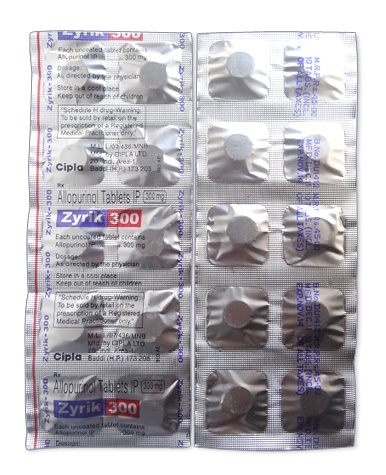
Allopurinol
- Available from community and online pharmacies in many countries (USA, Canada, UK, EU, Australia, Japan and others); allopurinol is classified as prescription-only (Rx) and should normally be dispensed with a valid prescription.
- Allopurinol is used to lower high uric acid levels—treating gout (chronic hyperuricemia), preventing uric acid kidney stones and for tumor lysis syndrome prophylaxis; it is a xanthine oxidase inhibitor that reduces uric acid synthesis.
- Typical adult dosing starts at 100 mg/day with titration; usual maintenance 200–300 mg/day for mild disease and 400–600 mg/day for more severe cases; doses up to 800 mg/day are used in some situations; tumor lysis prophylaxis often uses 600–800 mg/day (divided). Dose reductions are required in renal impairment; children: ~10–20 mg/kg/day (max 400 mg/day).
- Oral administration—most commonly film‑coated tablets (100 mg and 300 mg); some regions have 200/400 mg, liquid/suspension or compounded forms; no standard injectable forms.
- Biochemical uric‑acid lowering begins within 24–48 hours, but meaningful clinical benefits (reduced flares, shrinkage of tophi) typically take weeks to months; do not start during an acute gout flare.
- Effect is sustained with once‑daily dosing due to the long‑acting metabolite (oxypurinol); oxypurinol half‑life is roughly 15–30 hours depending on renal function, so urate lowering persists over 24 hours with daily dosing.
- Avoid heavy alcohol intake—alcohol (especially beer and spirits) raises uric acid and increases gout risk; moderate or stop drinking and maintain good hydration while on therapy.
- The most common side effect is skin rash (which can signal a severe hypersensitivity syndrome and requires immediate discontinuation); other common effects include nausea, diarrhea, liver enzyme elevations, headache and possible initial gout flares when starting therapy.
- Would you like to try “allopurinol” without a prescription?
Basic Allopurinol Information
- INN (International Nonproprietary Name): Allopurinol (also referenced as Allopurinolum or Allopurinolum Ph. Eur.).
- Brand Names Available In Canada (English): Zyloprim and generic allopurinol tablets are the common presentations; international brands include Zyloric.
- ATC Code: M04AA01 (Musculo-skeletal system; Antigout preparations; Preparations inhibiting uric acid production; Allopurinol).
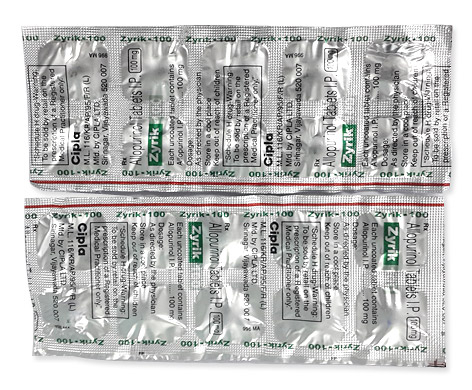
- Forms & Dosages: Tablets are the standard oral forms, commonly 100 mg and 300 mg; some regions may also supply 200 mg, 400 mg, suspensions or compounded forms, but oral tablets are standard.
- Manufacturers In Canada (English): Major global suppliers that provide allopurinol formulations include Teva, Sandoz, Mylan, Accord, Zentiva, Aspen and Sanofi (Zyloric); generics from these manufacturers are commonly distributed in Canada.
- Registration Status In Canada (English): Allopurinol is widely registered internationally and is registered in Canada; it appears on essential medicines lists and is approved by national competent authorities.
- OTC / Rx Classification: Prescription-only (Rx) in Canada and most territories due to the risk of serious adverse effects.
Important Instructions & Warnings For Canadian Patients
Are you starting allopurinol and wondering what to watch for and how to stay safe?
Allopurinol is prescription-only in Canada and should only be started on medical advice with a prescription that carries a DIN on the label.
Do not start allopurinol during an acute gout flare because initiation during a flare can worsen symptoms; it is prescribed for prevention and titration after the flare settles.
Stop allopurinol immediately and seek urgent medical care if you develop a new rash, fever, mouth sores, eye redness or discharge, or blistering skin—these symptoms can indicate severe cutaneous adverse reactions such as Stevens-Johnson Syndrome or Toxic Epidermal Necrolysis.
Discuss HLA-B*5801 testing with your prescriber if you are of Han Chinese, Korean, or Thai ancestry or have a strong family history of severe drug reactions, because a positive HLA-B*5801 increases the risk of life‑threatening skin reactions.
Renal function guides dosing; severe impairment (for example, creatinine clearance under about 20 mL/min) often limits dosing with many clinicians capping at approximately 100 mg/day in that setting.
Expect periodic blood work while on long-term therapy, including serum urate, renal function (creatinine/CrCl), liver enzymes and a complete blood count.
Keep hydration up to help reduce the risk of uric-acid kidney stones while on urate-lowering therapy.
Store tablets in the original packaging below 25°C and protect from moisture.
Carry a list of provincial coverage options and pharmacy preferences to speed refills and claims.
- Action Steps Checklist:
- Start only with a prescriber’s order that includes a DIN on the label.
- Do not begin during an acute gout flare; arrange anti‑inflammatory prophylaxis as advised.
- Ask about HLA‑B*5801 testing if you are of Han Chinese, Korean, or Thai descent.
- Provide recent kidney and liver labs to your prescriber and pharmacist.
- Monitor labs periodically: serum urate, creatinine, liver enzymes, CBC.
- Stop and seek urgent care for rash, fever, mouth sores, conjunctivitis or blistering.
- Keep a list of provincial drug programs (Ontario Drug Benefit, BC PharmaCare, RAMQ) and preferred pharmacies (Shoppers Drug Mart, Rexall, Jean Coutu, London Drugs).
Note: In our online pharmacy, allopurinol is available without a prescription, with discreet delivery to Canada (English) in 5-14 days.
Morning Vs Evening Dosing
Which time is best: morning or evening?
Pick a consistent time that fits your routine and stick with it, because consistency matters more than the exact hour.
Evening dosing may suit commuters and shift workers to reduce missed doses.
Morning dosing works well for retirees or people who already take morning pills and can help with habit formation.
The active metabolite oxypurinol is long‑acting, so flexible timing is clinically acceptable as long as doses are given consistently.
If you develop morning nausea, discuss switching to evening dosing with your prescriber or pharmacist.
Taking With Or Without Meals
Do you need to take allopurinol with food?
Allopurinol tablets (commonly 100 mg and 300 mg) may be taken with or without food.
Taking tablets with meals can help reduce nausea and fits well for people on multiple medications.
Avoid starting therapy after heavy alcohol intake because alcohol raises uric acid and can blunt early effectiveness.
Rural patients should align dosing with local medication delivery patterns or med‑pack schedules from community pharmacies such as Shoppers or London Drugs.
- Daily Routine Checklist:
- Pick one time daily and record it on your med list.
- Use a med‑pack or blister pack if you have multiple tablets (100 mg, 300 mg).
- Carry a spare dose when travelling or commuting.
- Keep hydrated throughout the day to reduce kidney‑stone risk.
Who Should Avoid It
Who must not take allopurinol?
Anyone with known hypersensitivity to allopurinol or a history of severe cutaneous adverse reactions must not use it.
Do not start allopurinol during an acute gout flare; initiation is for prevention once the flare is controlled.
Patients with positive HLA-B*5801 testing should usually avoid allopurinol and consider alternatives.
Use caution in chronic kidney disease or liver disease, as dose reductions and close monitoring are required.
Activities To Limit
What activities should you avoid while on allopurinol?
Avoid driving or operating heavy machinery until you know whether allopurinol causes drowsiness or dizziness for you.
Limit excessive alcohol consumption because alcohol increases uric acid and can counteract urate‑lowering therapy.
Avoid prolonged work outdoors in hot conditions without adequate fluid replacement to reduce dehydration risk.
Workers in remote locations should carry medication documentation and emergency contact information in case of adverse reactions.
- Contraindications (Bullet List):
- Known hypersensitivity to allopurinol or excipients.
- Prior Stevens-Johnson Syndrome or Toxic Epidermal Necrolysis linked to allopurinol.
- Initiation during an acute gout flare (do not start during flare).
- Positive HLA‑B*5801 in high‑risk ethnic groups.
- When To Stop And Seek Help (Checklist):
- New rash, blistering, or peeling skin.
- Fever with rash or mouth sores.
- Difficulty breathing or eye inflammation.
- Marked lethargy, unusual bruising, or signs of infection.
General Regimen
What dosing pattern do clinicians typically use?
Adults commonly start at 100 mg once daily and titrate upward to reach a target serum urate level.
Maintenance doses are often 200–300 mg daily for mild disease and 400–600 mg daily for more severe cases.
Maximum doses up to 800 mg/day have been used under specialist supervision for difficult-to-control hyperuricaemia.
For tumour‑lysis syndrome prevention in oncology, short regimens of 600–800 mg/day divided across doses are used in hospital settings.
Allopurinol is classified in ATC as M04AA01 and is sold mainly as tablets of 100 mg and 300 mg worldwide.
Special Cases
How is dosing adjusted for special populations?
Renal impairment requires dose reduction; for example, many clinicians limit dosing to around 100 mg/day when CrCl is under about 20 mL/min.
Elderly patients should start low and titrate slowly while monitoring renal function.
Children receive allopurinol mainly for chemotherapy-related hyperuricaemia at about 10–20 mg/kg/day divided, up to approximately 400 mg/day.
Hepatic impairment warrants caution and more frequent monitoring.
| Indication | Typical Starting Dose | Maintenance / Notes |
|---|---|---|
| Chronic Gout / Hyperuricaemia | 100 mg/day, titrate | 200–300 mg/day (mild); 400–600 mg/day (severe); titrate to target urate |
| Uric Acid Kidney Stones | As per gout | Maintenance similar to gout; hydrate and monitor |
| Tumour Lysis Prophylaxis | 600–800 mg/day divided | Short term; oncology supervised |
| Severe Renal Impairment (CrCl <20 mL/min) | Reduce dose | Many clinicians limit to ~100 mg/day |
- Monitoring Checklist:
- Baseline serum urate, creatinine, LFTs, CBC before starting.
- Recheck labs during titration and periodically once stable.
- Document target urate (often <6 mg/dL unless individualized).
Positive Reports From Canadian Patients
What do Canadians say about allopurinol in real life?
Many patients report fewer gout flares and reduced tophi size after months to years on allopurinol products such as generic formulations and Zyloprim.
Patients often note fewer emergency department visits and improved sleep quality as flares become less frequent.
Pharmacist counselling at chains like Shoppers Drug Mart and Jean Coutu supports adherence and helps patients navigate provincial coverage.
Common Challenges In Forums
What problems do patients discuss online?
People commonly report an increase in gout attacks soon after starting allopurinol unless prophylaxis with colchicine or NSAIDs is provided.
Skin rashes and the need for regular renal monitoring are frequently mentioned hurdles.
Rural patients sometimes cite delays for lab monitoring and longer waits for specialist referrals.
Concerns about cost and coverage, and perceived differences when switching between generic suppliers like Teva or Sandoz and brand Zyloprim, also appear in discussions.
- Patient Quotes (Bulleted):
- "After six months on 300 mg my tophi have shrunk and flares are rare."
- "My pharmacist helped arrange lab orders and explained how to prevent initial flares."
- "I had a rash after a week and stopped immediately; the doctor changed my therapy."
- What To Tell Your Pharmacist/Doctor (Checklist):
- All current medications and supplements.
- Any history of severe skin reactions or family history of drug reactions.
- Recent kidney and liver test results.
- Your provincial drug plan and pharmacy preference for claims.
Pharmacy Sources
Where can you buy allopurinol in Canada?
Allopurinol is prescription-only and available through national chains such as Shoppers Drug Mart, Rexall and London Drugs, regional chains such as Jean Coutu in Quebec, and independent community pharmacies.
Many pharmacies provide blister packs or adherence packaging for daily dosing of allopurinol tablets.
Online Canadian pharmacies require a valid prescription; cross-border or international purchases may lack a Canadian DIN and are subject to import rules.
Price Comparison
What affects cost and coverage?
Tablet strengths commonly available are 100 mg and 300 mg, and generics from Teva, Sandoz and Mylan are generally less costly than brand Zyloprim or Zyloric.
Provincial formularies have differing coverage rules and may require Special Authorization for chronic gout coverage through Ontario Drug Benefit, BC PharmaCare or RAMQ.
Ask your pharmacist about dispensing fees, co‑pays and generic interchange to lower out‑of‑pocket cost.
| Source | Typical Price Range | Coverage Notes / Questions To Ask |
|---|---|---|
| National Chains (Shoppers, Rexall, London Drugs) | Generic: generally lower; Brand: higher | Ask about med‑pack services and generic interchange options |
| Regional Chains (Jean Coutu) | Similar to national chains; regional pricing varies | Check provincial formularies for Special Authorization |
| Independent Pharmacies | Competitive pricing; may offer personalized packaging | Ask about bulk pricing and monitoring support |
| Online Canadian Pharmacies | Price varies; require valid prescription | Confirm DIN and shipping times |
Ingredients Overview
What is inside the tablet?
The active INN is allopurinol (Allopurinolum) and the standard tablet strengths are 100 mg and 300 mg.
Excipients vary by manufacturer, so check the product monograph or DIN label if you have excipient allergies.
Mechanism Basics
How does allopurinol lower uric acid?
Allopurinol is a xanthine oxidase inhibitor that reduces conversion of purines to uric acid, and its active metabolite oxypurinol provides sustained urate lowering.
Long‑term use lowers the frequency of gouty arthritis, helps shrink tophi and reduces uric‑acid kidney stone risk.
Because lowering urate can mobilize crystals, initial urate shifts may precipitate acute gout unless prophylactic colchicine or NSAID cover is used during titration.
- Xanthine Pathway Summary:
- Xanthine --(xanthine oxidase)--> Uric Acid.
- Allopurinol inhibits xanthine oxidase and reduces uric acid formation.
- Oxypurinol is the long‑acting metabolite that sustains the effect.
Approved Uses In Canada
What is allopurinol officially used for?
Allopurinol is approved for chronic gout and hyperuricaemia to prevent flares and tophi, for prevention of uric acid nephrolithiasis, and for tumour‑lysis syndrome prophylaxis in oncology.
Dosing varies by indication: chronic gout typically starts 100 mg/day with titration, while tumour‑lysis prophylaxis may use 600–800 mg/day divided and is short‑term.
Off‑Label Uses By Canadian Physicians
How do clinicians sometimes use allopurinol beyond approved labels?
Some specialists use low‑dose allopurinol in select cases of recurrent calcium oxalate stones when uric acid contributes, or for certain metabolic issues where lowering urate may help.
Febuxostat and uricosurics are alternatives where allopurinol is not tolerated or insufficient.
| Approved Use | Off‑Label Use |
|---|---|
| Chronic Gout / Hyperuricaemia — Start 100 mg/day, titrate | Low‑dose use for selected kidney stone prevention when urate contributes |
| Uric Acid Stones — Similar dosing to gout | Adjunct in metabolic syndromes in selected patients |
| Tumour Lysis Prophylaxis — 600–800 mg/day (short term) | Specialist‑driven regimens in complex cases |
Food Interactions
What foods affect allopurinol therapy?
Alcohol increases uric acid and can undermine therapy, so moderation is advised, and beer and spirits are particular concerns.
Fructose‑rich drinks also raise uric acid; reducing sugary beverages supports urate control.
No usual foods prevent absorption but taking tablets with food reduces gastrointestinal upset.
Drug Conflicts
Which drugs interact importantly with allopurinol?
Azathioprine and 6‑mercaptopurine interact dangerously with allopurinol and can cause myelosuppression; azathioprine doses often need substantial reduction or alternative choice if combined.
Thiazide diuretics can both increase urate and are associated with an increased hypersensitivity risk when combined with allopurinol.
Concurrent use with febuxostat is generally avoided; check the product monograph and Health Canada resources when combining therapies.
Renal function changes many interaction risks, so monitor ACE inhibitors, diuretics and chemotherapy agents closely.
- High‑Risk Drug List (Bulleted):
- Azathioprine / 6‑mercaptopurine — avoid or adjust dosing.
- Thiazide diuretics — monitor and counsel on urate changes.
- Cytotoxic chemotherapy agents — coordinate oncology supervision for tumour‑lysis prophylaxis.
Summarised Evidence
What does the latest evidence say about allopurinol?
Randomized trials and observational studies confirm that allopurinol effectively lowers serum urate and reduces gout flares over the long term compared with no urate‑lowering therapy.
Comparative studies versus febuxostat show similar urate reduction but different cardiovascular and tolerability profiles that guide prescriber choice based on comorbidity.
Oncology guidelines support using allopurinol for tumour‑lysis prevention while rasburicase is reserved for high‑risk or refractory cases.
Evidence underscores titration to target urate (commonly below 6 mg/dL) and the value of prophylactic colchicine or an NSAID during early months of therapy to prevent flares.
HLA‑B*5801 association with severe cutaneous reactions is well documented and screening is recommended in high‑risk ethnic groups.
| Study / Guideline | Year | Population | Key Outcome |
|---|---|---|---|
| Allopurinol Efficacy Trials | Various | Patients With Chronic Gout | Reduced serum urate and fewer flares with long‑term therapy |
| Comparative Studies vs Febuxostat | Various | Gout Patients | Similar urate lowering; tolerability and CV risks influence choice |
| HLA‑B*5801 Risk Research | Recent | High‑risk Ethnic Groups | Markedly increased risk of severe cutaneous adverse reactions |
| Oncology Guidelines | Current | Patients At Risk Of Tumour Lysis | Allopurinol or rasburicase recommended per risk stratification |
- Practice Implications (Bulleted):
- Titrate to a target urate and monitor labs during titration.
- Consider prophylaxis during initiation to reduce early flares.
- Screen high‑risk patients for HLA‑B*5801 prior to starting.
Alternatives — Pros And Cons Checklist
What are the alternatives if allopurinol is unsuitable?
- Febuxostat (Uloric/Adenuric) — Pros: effective for many patients intolerant to allopurinol; Cons: cardiovascular safety signals in some trials, cost considerations.
- Probenecid / Sulfinpyrazone — Pros: uricosurics useful for underexcretors with preserved renal function; Cons: not suitable in significant renal impairment or frequent stone formers.
- Rasburicase — Pros: rapid enzyme therapy for tumour‑lysis syndrome in hospital; Cons: IV only, reserved for high‑risk or refractory oncology cases.
- Decision Checklist For Clinicians/Patients:
- Assess renal function before choosing uricosuric agents.
- Consider cardiovascular history when evaluating febuxostat.
- Cost and provincial coverage often guide access to alternatives.
Health Canada & DIN Snapshot
How is allopurinol regulated in Canada?
Allopurinol is Health Canada‑approved and is prescription‑only; marketed formulations in Canada carry a Drug Identification Number (DIN) on the product label used for formulary checks and adverse‑event reporting.
Brands available in Canada include generics from major suppliers such as Teva, Sandoz and Mylan and brand names like Zyloprim or Zyloric where marketed.
Each province manages coverage rules and may require Special Authorization for chronic gout coverage through programs such as Ontario Drug Benefit, BC PharmaCare and RAMQ.
Report adverse reactions to Health Canada’s pharmacovigilance system via MedEffect.
- Regulatory Checklist:
- Confirm DIN on medication label when checking provincial formularies.
- Follow provincial Special Authorization steps if coverage is needed for long‑term therapy.
- Provide patients with a copy of the DIN and monitoring schedule in discharge packs or counselling notes.
Frequently Asked Questions
- Q: Can I stop during a gout attack?
- A: No — do not start allopurinol during an acute attack; if already taking it, continue unless instructed otherwise by your prescriber and use short‑term anti‑inflammatory cover when initiating therapy.
- Q: How fast will it work?
- A: Uric‑lowering effect is measurable within weeks, but clinical reduction in flares often takes months and titration to a target serum urate (commonly <6 mg/dL) guides dose adjustments.
- Q: What if I miss a dose?
- A: Take the missed dose as soon as you remember but do not double up; if it is close to the next scheduled dose, skip the missed one.
- Q: Is generic the same as Zyloprim?
- A: Generics contain the same INN (allopurinol) and are DIN‑approved; discuss any perceived differences or side effects with your pharmacist when switching brands.
- What To Tell Your Pharmacist (Short Checklist):
- All current prescription and over‑the‑counter medications.
- Any prior severe skin reactions or family history of drug allergies.
- Your most recent kidney and liver test results.
- Your provincial drug coverage details.
Guidelines For Proper Use — Pharmacist And Provincial Recommendations
What should pharmacists verify before dispensing?
Pharmacists should confirm the indication, allergy history, renal function and current medication list prior to dispensing allopurinol.
Baseline labs recommended include serum urate, creatinine, liver enzymes and CBC, with repeat monitoring during titration and after dose changes.
Counsel patients on rash warning signs, the importance of hydration, moderating alcohol and the availability of prophylactic colchicine or an NSAID during the first months of therapy.
Provide patients with a written plan that includes the DIN, dose, monitoring schedule and emergency instructions.
For rural patients, help arrange lab draws, telehealth follow‑up and document pharmacy contact details for continuity of care.
- Pharmacist Checklist For Dispensing:
- Verify prescription DIN and indication.
- Confirm recent renal and liver labs.
- Provide counselling on adverse signs and medication interactions.
- Offer adherence packaging and schedule lab reminders.
Delivery Across Canada (English)
| City | Region | Delivery Time |
|---|---|---|
| Toronto | Ontario | 5-7 days |
| Montreal | Quebec | 5-7 days |
| Vancouver | British Columbia | 5-7 days |
| Calgary | Alberta | 5-7 days |
| Edmonton | Alberta | 5-7 days |
| Ottawa | Ontario | 5-7 days |
| Winnipeg | Manitoba | 5-7 days |
| Halifax | Nova Scotia | 5-9 days |
| Victoria | British Columbia | 5-9 days |
| St. John's | Newfoundland and Labrador | 5-9 days |
| Saskatoon | Saskatchewan | 5-9 days |
| London | Ontario | 5-7 days |
| Kingston | Ontario | 5-9 days |
| Thunder Bay | Ontario | 5-9 days |