Pain relief medications work by targeting different pathways in your body where pain signals originate. These medications can be divided into several categories, each with unique mechanisms of action. Over-the-counter pain relievers are often the first choice for mild to moderate pain, while prescription options are reserved for more severe conditions. Understanding the differences between medication types helps you choose the right option for your specific needs.
Acetaminophen, also known as paracetamol, is one of the most widely used pain relief medications in Canada. It works by reducing the production of prostaglandins in your brain, which are chemicals that cause pain and fever. This medication is effective for headaches, muscle aches, and general pain relief.
Non-steroidal anti-inflammatory drugs, commonly called NSAIDs, reduce pain by decreasing inflammation in your body. They work differently than acetaminophen and are particularly useful for conditions where inflammation plays a major role in pain sensation.
Acetaminophen is ideal for people who cannot take NSAIDs due to stomach sensitivity or certain medical conditions. NSAIDs are more effective for inflammatory conditions like arthritis or sports injuries. Prescription pain relievers are necessary for severe pain that over-the-counter options cannot manage.
Over-the-counter pain medications are readily available at Canadian pharmacies without a prescription. These options are suitable for managing mild to moderate pain and are generally safe when used according to package directions.
Tylenol is the brand name for acetaminophen and is available in various formulations including regular strength, extra strength, and extended release. It's widely available at all Canadian pharmacies and drugstores.
Advil and Motrin are both ibuprofen-based products that reduce inflammation and provide pain relief. These are particularly effective for headaches, muscle strains, and menstrual cramps.
Aleve contains naproxen sodium and provides longer-lasting relief compared to ibuprofen, often lasting up to 12 hours with a single dose. This makes it convenient for people who need extended pain coverage throughout the day.
Aspirin remains a popular choice for pain relief and has the added benefit of thinning blood, making it useful for cardiovascular health. Low-dose aspirin is commonly recommended for heart attack prevention.
Many Canadian pharmacies stock combination pain relief products that include caffeine or other active ingredients. These combinations can enhance pain relief effectiveness for certain types of pain, particularly tension headaches and migraines.
When over-the-counter medications are insufficient, Canadian healthcare providers may prescribe stronger pain relief options. These medications are more potent and are used under medical supervision for more serious pain conditions.
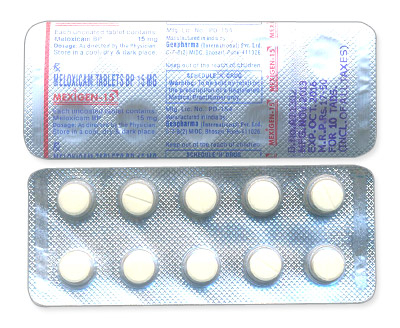
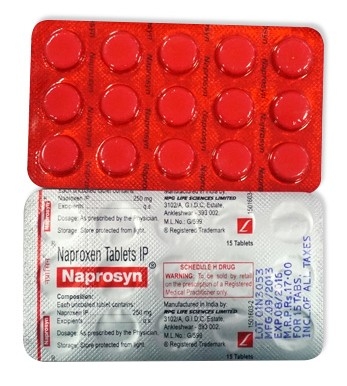
Prescription-strength NSAIDs like naproxen and meloxicam are available through Canadian pharmacies with a doctor's prescription. These are prescribed when regular ibuprofen or naproxen sodium doesn't provide adequate relief.
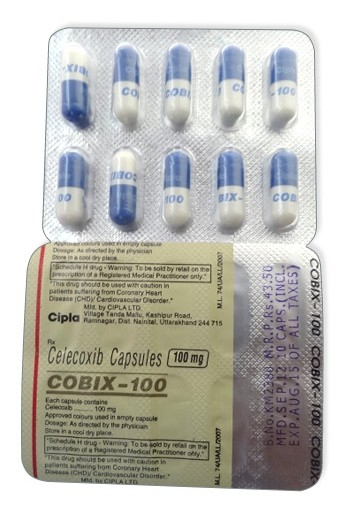
Celecoxib is a specialized NSAID that may be prescribed for arthritis and chronic pain conditions. It's sometimes chosen for patients who have had adverse reactions to other NSAIDs.
Opioid painkillers are prescribed for severe acute pain or chronic pain conditions that don't respond to other treatments. Common options in Canada include codeine, morphine, and oxycodone formulations. These medications carry strict regulations and require careful monitoring due to their potential for dependence.
Tramadol is a prescription pain medication that works differently than traditional opioids but is still controlled. It's often prescribed for moderate to moderately severe pain.
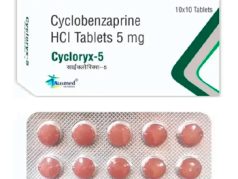
Medications like cyclobenzaprine are prescribed alongside pain relievers when muscle tension contributes to pain. These are often recommended for back injuries or muscle strain.
Topical pain relief products are applied directly to the skin over the area experiencing pain. These options are excellent for localized pain and often have fewer systemic side effects than oral medications.
Bengay and similar menthol-based creams provide warming sensations that distract from pain and improve blood circulation to affected areas. These are widely available at Canadian pharmacies and are useful for muscle soreness and arthritis pain.
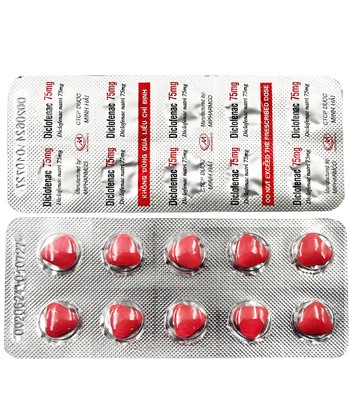
Voltaren Emulgel contains diclofenac, an NSAID in cream form, and is available over-the-counter in Canada for localized pain relief. It's particularly effective for joint pain, strains, and sprains.
Tiger Balm is a traditional pain relief product that combines various herbal ingredients and menthol. It's popular for general muscle aches and tension relief.
Stronger topical NSAIDs and specialized creams are available by prescription through Canadian pharmacies. These are prescribed when over-the-counter topical options prove insufficient.
Capsaicin cream is derived from hot peppers and works by desensitizing pain nerves. It's often recommended for arthritis and neuropathic pain conditions.
Different types of pain often benefit from different treatment approaches. Understanding which pain relief option works best for your specific condition helps ensure effective management.
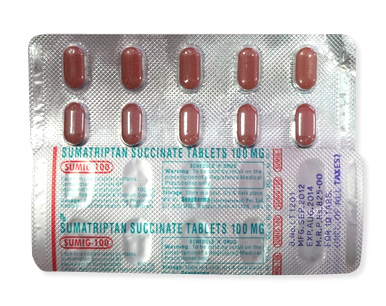
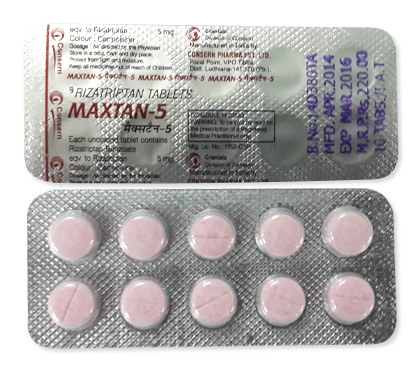
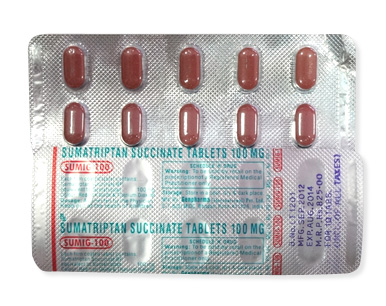
Tension headaches typically respond well to acetaminophen or ibuprofen. Migraines may require specialized medications available by prescription, such as triptans or ergotamine-based products. Excedrin is available in Canada and combines acetaminophen, aspirin, and caffeine specifically formulated for headache relief.
Chronic arthritis pain often requires long-term management with prescription NSAIDs or other specialized medications. Some patients benefit from combination approaches including topical and oral medications. Prescription medications like meloxicam or celecoxib are frequently recommended for osteoarthritis and rheumatoid arthritis pain management.
Back pain often improves with NSAIDs combined with muscle relaxants and physical therapy. Severe acute back pain may require prescription pain relief and muscle relaxants. Topical pain relievers are particularly effective for localized back pain and can be combined with oral medications for comprehensive relief.
Acute pain following surgery or injury typically requires stronger prescription pain relief initially. These medications are used short-term and are gradually discontinued as pain improves.
Using pain relief medications safely is essential for achieving effective pain management without complications. Following proper guidelines ensures these medications provide maximum benefit.
Always follow the dosage instructions on medication packaging or as directed by your healthcare provider. Never exceed recommended daily doses, as this can lead to serious side effects. For over-the-counter medications, most are safe to use for short periods. If pain persists beyond ten days, consult a healthcare provider.
It's important to be aware of potential side effects when taking pain relief medications:
Inform your pharmacist about all medications you're taking, as pain relievers can interact with blood thinners, blood pressure medications, and other drugs.
Severe pain that doesn't respond to over-the-counter medications warrants a medical consultation. Persistent pain lasting more than a few weeks should be evaluated by a healthcare provider to identify underlying causes. Contact a pharmacist if you're unsure about which pain relief option is appropriate for your situation or if you have existing health conditions or take other medications. Your Canadian pharmacy team is always available to provide guidance on selecting the most suitable pain relief product for your individual needs.