Muscle relaxants are medications designed to alleviate muscle tension, stiffness, and spasms. These pharmaceutical compounds work by affecting the central nervous system to reduce the signals that cause muscles to contract involuntarily. When muscles become tight or spasm, they can cause significant discomfort and limit your ability to move freely. Muscle relaxants help by interrupting the communication between nerves and muscles, allowing them to loosen and providing relief from pain and tension.
There are two main types of muscle relaxants available in Canada. The first type acts on the central nervous system to reduce muscle tone generally, whilst the second type works directly on the muscle fibres themselves. Understanding which type you need depends on your specific condition and the recommendation of your healthcare provider. Most muscle relaxants are prescribed for short-term use, typically two to three weeks, as they are not intended for long-term management of chronic conditions without medical supervision.
Muscle relaxants are prescribed for various conditions that cause muscle tension and discomfort. One of the most common uses is treating acute muscle strains and sprains, which often occur from physical activities, accidents, or improper lifting techniques. When you strain a muscle, it responds by tightening defensively, and muscle relaxants can help ease this protective tension.
Back pain is another prevalent condition treated with muscle relaxants. Whether caused by poor posture, injury, or muscle fatigue, back pain often involves muscle spasms that restrict movement. Muscle relaxants combined with physical therapy and other treatments can provide significant relief. Neck pain and stiffness, whether from whiplash, tension, or sleeping positions, also respond well to these medications.
Muscle relaxants are also used for conditions like fibromyalgia, where widespread muscle pain and tension affect daily life. Some patients with multiple sclerosis or cerebral palsy benefit from muscle relaxants to manage the spasticity associated with these neurological conditions. The following conditions commonly benefit from muscle relaxant therapy:
Always consult with your healthcare provider to determine if muscle relaxants are appropriate for your specific situation.
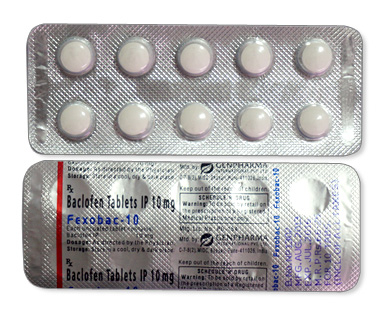
Several muscle relaxant medications are available to Canadian patients through prescription. Baclofen is widely prescribed and works by reducing the activity of nerves in the spinal cord that are responsible for muscle contractions. It's particularly effective for spasticity related to neurological conditions. Cyclobenzaprine is another commonly prescribed option that provides relief from acute muscle spasms and is often recommended for short-term use following injury or strain.
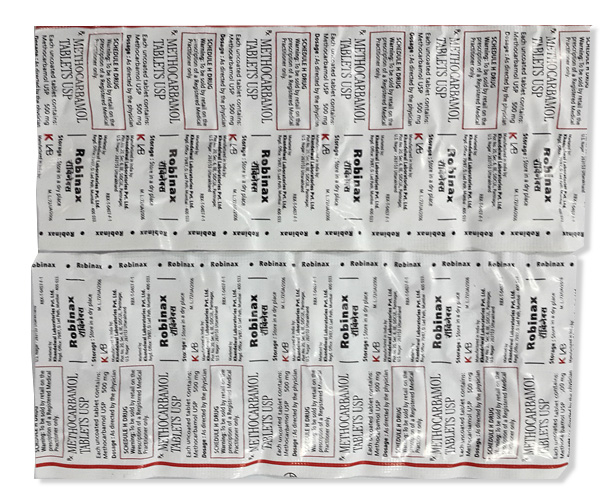
Methocarbamol is a central-acting muscle relaxant that helps reduce muscle pain and tension throughout the body. It's frequently prescribed for acute musculoskeletal conditions and is known for being relatively mild compared to other options. Tizanidine works by blocking nerve signals that cause muscles to tighten and is often prescribed for patients with spasticity or severe muscle tension.
Diazepam, a benzodiazepine with muscle relaxant properties, is sometimes prescribed for acute muscle spasms though it's typically reserved for short-term use due to potential dependency concerns. Orphenadrine is another option available in Canada that combines muscle relaxation with some pain-relieving properties. Each medication has different strengths, side effects, and interactions, so your doctor will recommend the most suitable option based on your health profile, other medications you take, and the nature of your muscle tension or spasms.
Muscle relaxants come in various forms including tablets, capsules, and sometimes liquid formulations. The dosage prescribed depends on the specific medication, your age, weight, overall health, and the severity of your condition. Typically, these medications are taken two to four times daily, though some extended-release formulations allow for once or twice daily dosing.
It's crucial to follow your healthcare provider's dosage instructions precisely. Taking more than prescribed will not increase effectiveness and may lead to adverse effects. Most muscle relaxants should be taken with food to minimise stomach upset, though specific instructions vary by medication. Do not suddenly stop taking muscle relaxants without consulting your doctor, as some may require gradual dose reduction to prevent rebound effects.
Safety considerations are important when using muscle relaxants. These medications can cause drowsiness, dizziness, and impaired coordination, so avoid driving or operating machinery until you understand how the medication affects you. Alcohol consumption should be avoided or minimised, as it can amplify sedative effects and increase the risk of side effects. Inform your healthcare provider about all other medications and supplements you take, as muscle relaxants can interact with various drugs including antidepressants, pain relievers, and sedatives. Pregnant women, nursing mothers, and individuals with liver or kidney problems should discuss muscle relaxant use carefully with their healthcare providers before starting treatment.
Like all medications, muscle relaxants can cause side effects, though not everyone experiences them. Common side effects include drowsiness, dizziness, dry mouth, and headaches. These effects are typically mild and often diminish as your body adjusts to the medication over several days. Some people experience nausea or slight stomach discomfort, which usually resolves with continued use or by taking the medication with food.
Less common side effects may include blurred vision, difficulty concentrating, or mood changes. These generally resolve without intervention but should be reported to your healthcare provider if they persist or cause significant concern. In rare cases, muscle relaxants can cause more serious side effects including allergic reactions, rapid heartbeat, or severe dizziness. Signs of an allergic reaction include rash, itching, swelling of face or throat, and difficulty breathing.
Seek immediate medical attention if you experience chest pain, severe dizziness, difficulty breathing, or signs of an allergic reaction. Contact your healthcare provider if you develop unusual bruising or bleeding, persistent nausea, or if your symptoms worsen rather than improve. If you accidentally take more medication than prescribed, contact Poison Control or seek emergency medical care. Never ignore concerning symptoms, and maintain regular communication with your healthcare provider about how the medication is working for you and any side effects you experience.
To maximise the benefits of muscle relaxants, combine them with other recovery strategies. Physical therapy is highly recommended alongside medication, as gentle stretching and strengthening exercises help restore normal muscle function. Heat and cold therapy can also enhance the effects of muscle relaxants—apply heat to soothe tight muscles or ice to reduce inflammation, depending on your condition and your healthcare provider's recommendations.
Rest is essential during acute phases, but complete immobility should be avoided. Gentle movement helps prevent stiffness and promotes healing. Maintain good posture throughout the day, as poor posture often contributes to muscle tension. Ergonomic adjustments to your workspace can prevent future issues. Stress management techniques like deep breathing, meditation, or yoga complement muscle relaxant therapy by reducing tension that accumulates from stress.
Ensure adequate hydration and nutrition to support muscle recovery and overall health. Limit activities that aggravate your condition whilst you're taking muscle relaxants, as this allows healing to progress. Most acute muscle conditions resolve within two to four weeks with proper treatment and self-care. If your symptoms persist beyond this timeframe, consult your healthcare provider for reassessment. Keep regular appointments with your doctor to monitor your progress and adjust treatment as needed. Once your symptoms improve, gradually return to normal activities to prevent re-injury, and discuss long-term strategies with your healthcare provider to prevent future muscle-related problems.