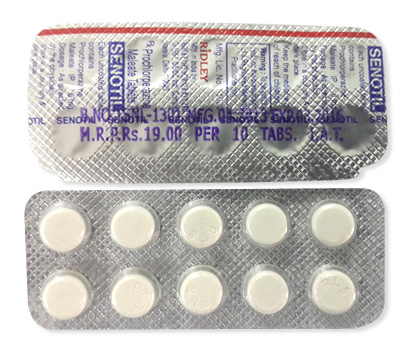
Mental disorders affect millions of Canadians each year, impacting their daily lives, relationships, and overall well-being. These conditions encompass a wide range of psychological and emotional challenges that can interfere with work, school, and personal functioning. Mental health is just as important as physical health, and seeking professional help is a crucial step toward recovery.
Mental disorders can develop due to various factors including genetics, brain chemistry, life experiences, trauma, and stress. They are treatable conditions, and many individuals manage their symptoms effectively with proper medical support and intervention. Understanding the symptoms and seeking early treatment can significantly improve outcomes and quality of life.
Depression is one of the most common mental health conditions affecting Canadians today. It goes beyond simple sadness and involves persistent feelings of emptiness, hopelessness, and loss of interest in activities once enjoyed. Major Depressive Disorder, Persistent Depressive Disorder, and Bipolar Disorder are among the various types of mood disorders that require professional attention.
Popular antidepressants include Sertraline, Citalopram, Escitalopram, and Paroxetine among the SSRI class. Other options include Venlafaxine and Duloxetine from the SNRI category. Tricyclic antidepressants like Amitriptyline remain available for certain patients. For Bipolar Disorder, mood stabilizers such as Lithium and Valproic Acid are commonly prescribed.
Signs include prolonged sadness lasting more than two weeks, changes in sleep patterns, appetite changes, difficulty concentrating, and thoughts of self-harm. A healthcare provider can conduct proper assessments and recommend appropriate treatment options tailored to individual needs.
Anxiety disorders involve excessive worry and fear that interfere with daily activities. Generalized Anxiety Disorder, Social Anxiety Disorder, Panic Disorder, and specific phobias are common types affecting Canadians. While some anxiety is normal, clinical anxiety disorders require medical intervention for effective management.
SSRIs like Sertraline and Paroxetine are first-line treatments for anxiety disorders. Benzodiazepines such as Lorazepam and Clonazepam provide short-term relief but are used cautiously due to dependency risks. Buspirone offers an alternative for generalised anxiety. Beta-blockers like Propranolol help manage physical symptoms of anxiety, particularly in social situations.
Beyond medication, cognitive-behavioural therapy, relaxation techniques, and lifestyle modifications prove highly effective. Regular exercise, adequate sleep, and reducing caffeine intake contribute to anxiety management. Many Canadians benefit from combining pharmaceutical treatments with therapeutic approaches.
Schizophrenia and related psychotic disorders affect perception, thinking, and emotional responses. These conditions involve symptoms like hallucinations, delusions, disorganised speech, and reduced emotional expression. Early intervention and consistent treatment significantly improve long-term outcomes and social functioning.
First-generation antipsychotics include Haloperidol and Chlorpromazine. Second-generation options such as Risperidone, Olanzapine, Quetiapine, and Aripiprazole offer improved side effect profiles. Paliperidone and Lurasidone represent newer alternatives available to Canadian patients. Long-acting injectable formulations help improve medication adherence for some individuals.
Medication management works best alongside psychosocial interventions including therapy, family support, and community resources. Hospitalisation may be necessary during acute episodes. Regular monitoring and dose adjustments ensure optimal symptom control whilst minimising side effects.
ADHD affects both children and adults, causing difficulties with attention, impulse control, and hyperactivity. Many Canadians experience ADHD symptoms that impact academic performance, work productivity, and interpersonal relationships. Proper diagnosis through comprehensive evaluation is essential before starting treatment.
Stimulant medications include Methylphenidate available as Ritalin and Concerta, and Amphetamine-based products like Adderall. Non-stimulant options such as Atomoxetine and Guanfacine provide alternatives for those who cannot tolerate stimulants. Extended-release formulations allow once-daily dosing for improved convenience and compliance.
Medication management combines effectively with behavioural strategies, educational support, and lifestyle modifications. Organisational skills training, time management techniques, and structured routines enhance treatment effectiveness. Regular follow-up appointments ensure medications remain effective and side effects stay manageable.
Beyond major categories, many other mental health conditions affect Canadians including Obsessive-Compulsive Disorder, Post-Traumatic Stress Disorder, Eating Disorders, and Personality Disorders. Each condition presents unique challenges and requires individualised treatment approaches based on specific symptoms and patient circumstances.
Canada provides comprehensive mental health resources through provincial healthcare systems, community mental health centres, and crisis hotlines. Psychotherapy options including cognitive-behavioural therapy, dialectical behaviour therapy, and other evidence-based approaches complement medication management. Support groups connect individuals facing similar challenges, reducing isolation and providing practical coping strategies.
Speaking with a family physician represents an excellent first step toward mental health support. Healthcare providers can assess symptoms, provide referrals to specialists, and discuss treatment options. Many Canadians also access mental health services through workplace programmes, private practitioners, and non-profit organisations dedicated to mental wellness.
Remember that seeking help demonstrates strength, and recovery is possible with appropriate professional support and personal commitment to wellness. Consider the following steps when addressing mental health concerns: