Heart disease remains one of the leading health concerns in Canada, affecting thousands of individuals each year. Understanding the fundamentals of cardiovascular health is essential for maintaining a strong and healthy heart throughout your life. Regular monitoring, lifestyle changes, and appropriate medications can significantly reduce your risk of developing serious cardiac conditions.
Prevention starts with recognizing the risk factors that contribute to heart disease, including high blood pressure, elevated cholesterol levels, smoking, obesity, and a sedentary lifestyle. By addressing these factors early, you can protect your heart and improve your overall quality of life. Many Canadians benefit from preventive medications that help control blood pressure and reduce cholesterol.
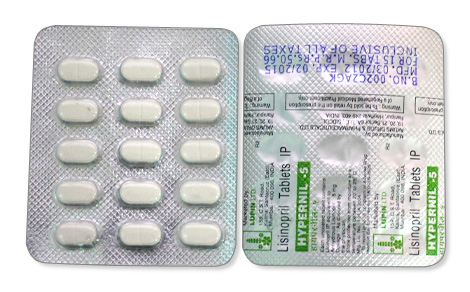
Common preventive medications available in Canada include Atorvastatin, which helps lower cholesterol levels, and Lisinopril, an ACE inhibitor that reduces blood pressure. These medications work by targeting different aspects of cardiovascular health, helping to prevent future complications. Your pharmacist can provide guidance on how these medications fit into your overall health plan. Regular check-ups with your healthcare provider are crucial for monitoring your cardiovascular status. Blood pressure readings, cholesterol levels, and other important markers should be tracked consistently to help your doctor determine if preventive medications are necessary for your specific situation.
High blood pressure, or hypertension, is often called the silent killer because many people have it without experiencing noticeable symptoms. Managing blood pressure effectively is one of the most important steps in preventing heart attacks, strokes, and kidney disease. Countless Canadians rely on antihypertensive medications to keep their blood pressure within healthy ranges.
Several classes of blood pressure medications are available on the Canadian market, each working through different mechanisms:
Many Canadians take combination medications that contain two or more of these drugs to achieve better control. Your pharmacist can explain how your specific medication works and what results you should expect. Lifestyle modifications complement medication therapy perfectly. Regular physical activity, reducing salt intake, maintaining a healthy weight, and managing stress all contribute to better blood pressure control. These changes often allow for lower medication doses or fewer medications overall.
Cholesterol management is a critical component of cardiovascular health, as high levels can lead to plaque buildup in your arteries. Understanding the difference between LDL cholesterol, HDL cholesterol, and triglycerides helps you make informed decisions about your health. Many Canadians benefit from cholesterol-lowering medications alongside dietary changes.
Statins are the most commonly prescribed cholesterol medications in Canada. Atorvastatin, Rosuvastatin, Simvastatin, and Pravastatin are widely available options that reduce LDL cholesterol production in your liver. These medications have been shown to significantly decrease the risk of heart attacks and strokes in patients with elevated cholesterol levels.
Beyond statins, other medications address different aspects of lipid management. Ezetimibe works by reducing cholesterol absorption in the intestines and is often combined with statins for enhanced effects. PCSK9 inhibitors like Evolocumab and Alirocumab represent newer options for patients who cannot achieve adequate cholesterol control with traditional medications. Fibrates such as Fenofibrate specifically target elevated triglyceride levels, which are an independent risk factor for heart disease. Your doctor may recommend fibrate therapy if your triglyceride levels remain elevated despite other interventions.
Regular blood tests are essential to monitor your cholesterol levels and ensure your medications are working effectively. Most Canadians should have their lipid panel checked every two to three years, though more frequent monitoring may be necessary when starting new medications or adjusting doses. Your pharmacist can explain what your cholesterol numbers mean and help you understand your treatment goals.
Angina is chest pain or discomfort that occurs when your heart doesn't receive enough blood and oxygen. This condition requires prompt medical attention and appropriate medication management to prevent serious complications. Several effective medications are available in Canada to relieve angina symptoms and improve your quality of life.
Nitrates are the primary medications for acute angina relief. Nitroglycerin tablets and sprays work quickly to dilate blood vessels, increasing blood flow to your heart. These fast-acting medications provide relief within minutes and should always be kept on hand by patients prone to angina attacks. Longer-acting nitrates like Isosorbide Dinitrate and Isosorbide Mononitrate help prevent episodes from occurring.
Beta-blockers and calcium channel blockers mentioned in blood pressure management also play important roles in angina treatment. Medications like Diltiazem and Verapamil reduce your heart's workload and oxygen requirements, decreasing the frequency and severity of angina episodes. Many patients take these preventive medications daily to maintain control. Ranolazine is a newer anti-anginal medication available in Canada that works through a different mechanism than traditional drugs. This medication can be particularly helpful for patients who continue experiencing angina despite treatment with other agents. Your pharmacist should review your angina action plan and confirm you understand proper medication usage and when to seek emergency care.
Heart failure occurs when your heart cannot pump enough blood to meet your body's needs. This serious condition affects many Canadians and requires comprehensive medication management alongside lifestyle modifications. Multiple medication classes work together to improve heart function and reduce symptoms.
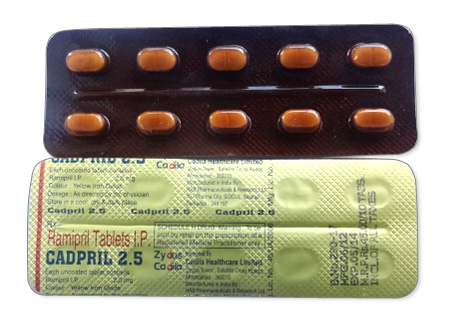
ACE inhibitors and angiotensin II receptor blockers form the foundation of heart failure treatment. Medications like Lisinopril, Ramipril, Losartan, and Valsartan help reduce the workload on your heart and improve its pumping efficiency. These medications also prevent progressive weakening of the heart muscle over time. Beta-blockers including Carvedilol, Metoprolol succinate, and Bisoprolol have been proven to improve survival in heart failure patients. These medications slow heart rate and reduce the force of contractions, allowing the heart to work more efficiently.
Aldosterone antagonists such as Spironolactone provide additional benefits by reducing fluid retention and improving heart function. Newer medications like SGLT2 inhibitors including Dapagliflozin and Empagliflozin have recently gained approval in Canada for heart failure treatment. These medications improve symptoms and reduce hospitalizations across various types of heart failure. Diuretics help manage fluid accumulation and reduce symptoms like shortness of breath and swelling. Furosemide, Bumetanide, and Torsemide are commonly prescribed options. Your healthcare team will assess how well your medications are working and make changes as needed to maintain your health and quality of life.
Arrhythmias are irregular heartbeats that can range from occasional palpitations to serious conditions requiring immediate treatment. Maintaining a regular heart rhythm is essential for proper cardiac function and overall health. Canada offers several effective medications to help stabilize heart rhythm and prevent complications.
Antiarrhythmic medications work through different mechanisms to restore and maintain normal heart rhythm. Class I antiarrhythmics like Flecainide and Propafenone slow electrical conduction in the heart. Class II antiarrhythmics are beta-blockers such as Metoprolol and Atenolol that slow heart rate. Class III antiarrhythmics including Amiodarone and Sotalol prolong the heart's electrical refractory period. Amiodarone is particularly effective for serious arrhythmias but requires careful monitoring due to potential side effects.
Anticoagulant medications like Warfarin and newer direct oral anticoagulants such as Apixaban and Rivaroxaban are often prescribed alongside antiarrhythmic drugs. These medications reduce your risk of blood clots and stroke, which are significant complications of certain arrhythmias. Rate control medications help manage symptoms by slowing your heart rate even if the irregular rhythm persists. Calcium channel blockers like Verapamil and Diltiazem are commonly used for this purpose. Your pharmacist plays an important role in arrhythmia management by ensuring you understand your medications, potential interactions, and the importance of consistent adherence to your treatment plan.