Allergies affect millions of Canadians each year, causing uncomfortable symptoms that can significantly impact daily life. When your immune system reacts to a harmless substance like pollen, dust, or pet dander, it triggers the release of histamine, a chemical that causes itching, swelling, sneezing, and congestion. Antiallergic medications work by blocking these histamine reactions or preventing their release altogether. These medicines help reduce inflammation and provide relief from various allergic symptoms. Understanding how antiallergic drugs work is the first step toward managing your allergies effectively.
There are several types of antiallergic medications available, each designed to target different aspects of allergic reactions. Some work immediately for acute symptoms, while others provide long-term prevention when taken regularly. Whether you suffer from seasonal allergies, year-round symptoms, or specific triggers, there is likely an antiallergic option that suits your needs.
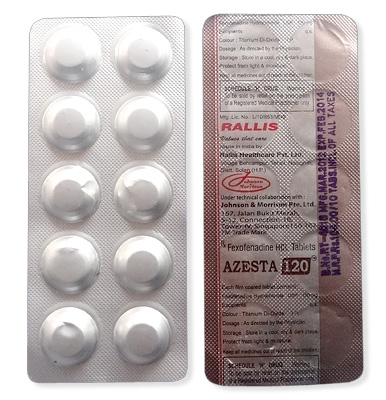
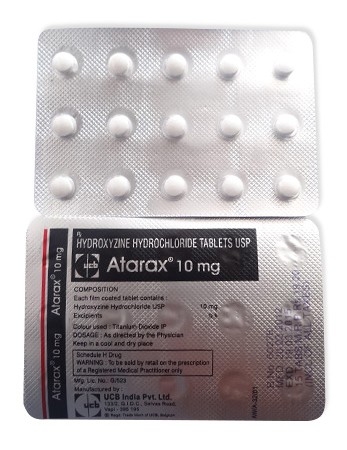
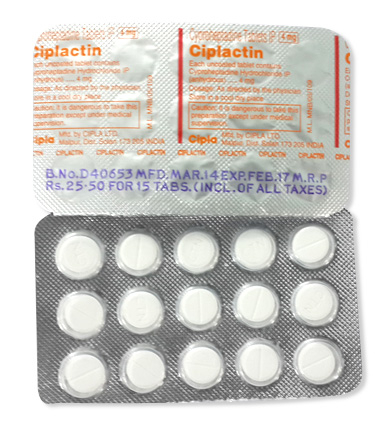
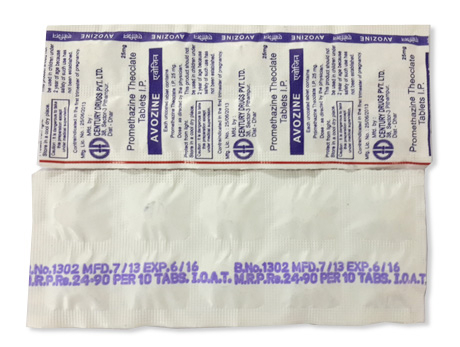
Antihistamines are the most commonly used antiallergic medications in Canada and work by blocking histamine receptors in your body. First-generation antihistamines like diphenhydramine penetrate the brain more easily and provide quick relief but often cause drowsiness. Second-generation antihistamines such as cetirizine, loratadine, and fexofenadine offer effective symptom relief with minimal sedation, making them ideal for daytime use.
Popular Canadian brands include Reactine (cetirizine), Claritin (loratadine), and Allegra (fexofenadine). These medications are available in various forms including tablets, liquids, and chewables, making them convenient for different age groups. Antihistamines work best when taken regularly during allergy season rather than waiting for symptoms to appear. They effectively reduce sneezing, itching, watery eyes, and runny nose.
Some antihistamines are available over-the-counter at pharmacies across Canada, while prescription-strength options provide additional choices for severe allergies. Taking antihistamines as directed ensures optimal relief and helps you maintain normal activities throughout allergy season.
Decongestants are antiallergic medications that specifically target nasal congestion by shrinking swollen blood vessels in the nasal passages. Pseudoephedrine is a common active ingredient found in many Canadian antiallergic products. Combination medications pair antihistamines with decongestants to address multiple symptoms simultaneously.
Popular combination products include Reactine Allergy and Sinus, which combines cetirizine with pseudoephedrine. These combination drugs provide comprehensive relief when you experience both congestion and other allergic symptoms. Decongestants work quickly, usually within thirty minutes, providing noticeable relief from a stuffy nose. However, decongestants should not be used for extended periods as they can lead to rebound congestion if overused.
People with high blood pressure or heart conditions should consult their pharmacist before using decongestant products. Saline nasal sprays offer a non-medicated alternative for congestion relief and can be used alongside antiallergic medications. Combination medications are particularly helpful during severe allergy episodes when multiple symptoms occur simultaneously. Always read labels carefully to understand the active ingredients and follow recommended dosing instructions.
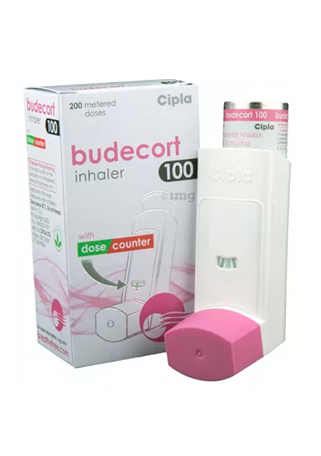
Nasal corticosteroid sprays represent an effective category of antiallergic medications that work by reducing inflammation directly in the nasal passages. Products like Flonase (fluticasone) and Nasonex (mometasone) are available over-the-counter or by prescription in Canada. These sprays provide localized treatment with minimal systemic absorption, making them safe for regular use during allergy season.
Antihistamine nasal sprays such as azelastine offer another topical option for congestion and sneezing relief. Topical solutions work directly where symptoms occur, providing targeted treatment without affecting your entire body. Many patients find nasal sprays more effective than oral medications for persistent nasal symptoms. These products typically require several days of regular use to achieve maximum effectiveness, so starting them before allergy season begins is recommended.
Eye drops containing antihistamines address itchy, watery eyes caused by allergies, with Canadian brands like Visine and Alomide available at pharmacies. Topical antiallergic medications are particularly beneficial for those who prefer not to take oral medications or who experience side effects from systemic drugs. Instructions for proper nasal spray technique ensure medication reaches the intended areas and maximizes therapeutic benefits.
For patients with severe allergies that don't respond adequately to standard treatments, stronger antiallergic options are available through prescription. Montelukast (Singulair) is a leukotriene antagonist that works differently than antihistamines by blocking another inflammatory pathway involved in allergic reactions. This medication is particularly effective for allergic asthma and severe seasonal allergies.
Omalizumab is a biologic monoclonal antibody medication for moderate to severe allergic asthma, though it requires hospital or clinic administration. Cyclosporine eye drops address severe allergic conjunctivitis when other treatments fail. These prescription antiallergic medications often provide life-changing relief for patients with debilitating allergies. Your doctor can help determine if specialized antiallergic medications are appropriate for your situation.
Some patients benefit from immunotherapy or allergy shots, which gradually desensitize your immune system to specific allergens. Prescription antiallergic options may take longer to show effects but often provide more sustained relief. Consulting with an allergist or immunologist ensures you receive the most appropriate antiallergic treatment plan.
Selecting appropriate antiallergic medications depends on your specific symptoms, their severity, and how they affect your lifestyle. Over-the-counter antihistamines work well for mild to moderate allergies, while prescription options suit more severe cases. Consider whether you need immediate relief or long-term prevention when choosing between different antiallergic products.
Always inform your pharmacist or doctor about other medications you take, as some antiallergic drugs interact with certain prescriptions. Pregnant or breastfeeding women should consult healthcare providers before using any antiallergic medications. Children require age-appropriate antiallergic formulations and proper dosing based on body weight.
Most antiallergic medications are safe when used as directed, but understanding potential side effects helps you make informed decisions. Common considerations when using antiallergic medications include:
Store medications at room temperature away from moisture and keep them out of children's reach. Expired antiallergic medications should be disposed of properly at pharmacy take-back programs. Reading labels thoroughly and following pharmacist recommendations ensures safe, effective use of antiallergic treatments for lasting allergy relief.