
Metformin
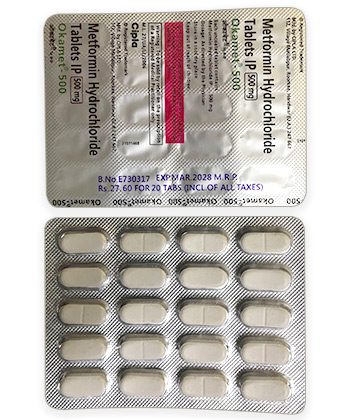
Metformin
- Metformin is available in Canada and internationally through pharmacies and online pharmacies; it is normally a prescription-only medicine, though some sources may offer it without a prescription. Availability varies by market and packaging may include tablets, extended-release tablets, and oral solution.
- Metformin is used to treat type 2 diabetes and is also used off-label for polycystic ovary syndrome, prediabetes, and sometimes weight-related metabolic concerns under medical supervision. It is a biguanide oral hypoglycemic agent that helps lower blood glucose by reducing liver glucose production, decreasing intestinal glucose absorption, and improving insulin sensitivity.
- The usual dose for adults with type 2 diabetes is 500 mg once or twice daily with meals, then increased by 500 mg per week as tolerated. Typical maintenance doses are 1,500–2,000 mg/day, with a maximum of about 2,550 mg/day for immediate-release tablets; extended-release forms are usually taken once daily up to 2,000 mg/day. Dosing is lower for off-label use such as PCOS.
- Metformin is administered by mouth as immediate-release tablets, extended-release tablets, or oral solution.
- Metformin usually starts working within a few hours after a dose, but blood sugar improvement is often noticed over several days, with the full effect building over 1–2 weeks as the dose is adjusted.
- The duration of action depends on the formulation: immediate-release metformin typically lasts about 6–8 hours, while extended-release metformin provides coverage for about 12–24 hours.
- Alcohol should be avoided or limited, because it increases the risk of lactic acidosis, especially if you drink heavily or have liver, kidney, or dehydration-related risks.
- The most common side effects are gastrointestinal upset such as nausea, diarrhoea, abdominal pain, flatulence, and a metallic taste; mild weight loss can also occur.
- Would you like to try metformin without a prescription?

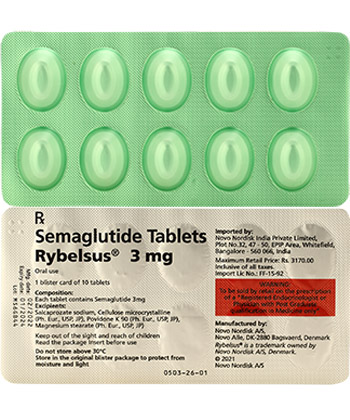
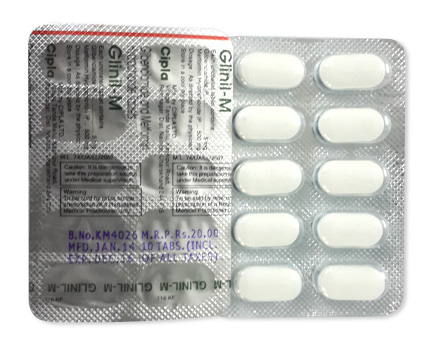
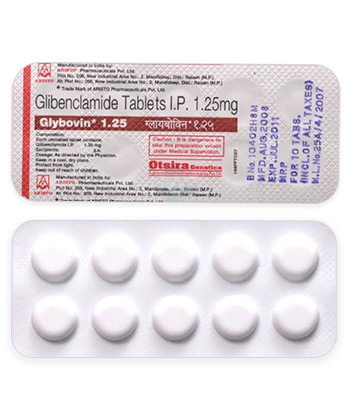

Basic Metformin Information
- INN (International Nonproprietary Name): Metformin
- Brand names available in Canada (English): Glucophage, Fortamet, Glumetza, Riomet, Apo-Metformin, Sandoz Metformin FC
- ATC Code: A10BA02
- Forms & dosages: Immediate-release tablets 500 mg, 850 mg, 1000 mg; prolonged/extended-release tablets 500 mg, 750 mg, 1000 mg; oral solution 100 mg/mL; combination tablets with sulfonylureas or pioglitazone
- Manufacturers in Canada (English): Merck Santé, Teva, Sandoz, Sanofi, Bristol-Myers Squibb, Takeda, USV, Aristo Pharma
- Registration status in Canada (English): Prescription Only (Rx)
- OTC / Rx classification: Prescription Only (Rx)
Everyday Use And Best Practices
Morning Vs Evening Dosing In Canadian Routines
Wondering whether metformin fits better with a rushed breakfast, a family dinner, or a night shift?
For most people, metformin tablets are taken with meals, and the timing should match the prescription label from the pharmacist.
A standard starting dose for metformin 500mg is often 500 mg once or twice daily with meals, then increased slowly if tolerated.
Many Canadians build the dose into a routine they already follow, such as breakfast before work, dinner with family, or a snack break during shift work.
Extended-release metformin is usually taken once daily, and it is commonly prescribed with the evening meal when the prescriber wants that schedule.
- Check the label before every refill.
- Take it with food if directed.
- Keep the timing consistent each day.
- Do not change to morning or evening on your own.
Taking With Or Without Meals In Canadian Diet Context
Food pairing matters because stomach upset is one of the most common early metformin side effects.
That is why taking metformin with meals is such a practical tip, especially with everyday Canadian foods like oatmeal, toast, eggs, soup, sandwiches, rice bowls, or takeout after a long day.
Swallow metformin tablets exactly as directed, and do not crush extended-release forms.
If the prescription is for immediate-release tablets, a person may still need to take them with a full meal rather than on an empty stomach.
Starting doses and formulation matter too, because metformin 500mg, metformin 850mg, and metformin 1000mg are commonly used in different step-up schedules.
The usual pattern is simple: start low, take it with food, and let the prescriber decide when to increase.
Safety Priorities
Who Should Avoid It
Metformin is prescription-only in Canada and should only be used when a clinician confirms it is appropriate.
It is not for everyone, and some situations need to be ruled out first because the wrong setting can raise the risk of serious harm.
- eGFR below 30 mL/min/1.73 m².
- Metabolic acidosis, including diabetic ketoacidosis.
- Severe dehydration.
- Serious illness with low oxygen levels.
- Hypersensitivity to metformin or excipients.
- Acute conditions such as shock or sepsis.
- Liver disease or unstable heart failure that needs close review.
- Alcohol misuse or binge drinking.
Health Canada metformin warnings also matter because people with kidney concerns, frailty, or multiple illnesses may need a different plan.
The rare but serious concern is lactic acidosis risk, so the label and follow-up bloodwork should always be taken seriously.
Activities To Limit
Metformin itself does not usually cause low blood sugar, but dizziness, weakness, nausea, or dehydration can still affect safety.
That is why driving, operating machinery, or physically demanding work should be approached cautiously if the person is unwell.
Canadian weather can make this more relevant than people expect, especially during heat waves, winter travel, and long rural drives where dehydration can sneak up quickly.
If the stomach is unsettled or fluids are hard to keep down, it is smarter to pause and speak with a pharmacist or prescriber before carrying on as usual.
Metformin warnings are mainly about safety in the background, but illness can make those warnings more important in day-to-day life.
Dosage And Adjustments
General Regimen
Canadian pharmacies dispense metformin with a Drug Identification Number, or DIN, on the label.
That DIN helps confirm that the product is an approved Canadian medicine and not an unregulated substitute.
Common adult dosing starts at 500 mg once or twice daily, and if tolerated the dose is often increased by 500 mg each week.
Typical maximums are about 2000 to 2550 mg per day depending on the formulation and prescriber direction.
Extended-release tablets are often used once daily and may improve tolerability for people who struggle with stomach effects.
| Formulation | Common Strengths | Typical Start | Common Dosing Pattern |
|---|---|---|---|
| Immediate-release | 500 mg, 850 mg, 1000 mg | 500 mg once or twice daily | Divided doses with meals |
| Extended-release | 500 mg, 750 mg, 1000 mg | Usually once daily | Often taken with the evening meal |
Special Cases
Older adults, people with kidney concerns, frailty, or several medications on the list usually need slower titration.
Children 10 years and older may start at 500 mg once daily under specialist or paediatric guidance, then increase as tolerated.
Renal impairment matters a lot: metformin is contraindicated if eGFR is below 30 mL/min/1.73 m², and it should be monitored closely when eGFR is 30 to 45 mL/min/1.73 m².
Dose review is also sensible after dehydration, contrast imaging, surgery, or an acute illness, because the body’s tolerance can change quickly.
User Testimonials
Positive Reports From Canadian Patients
What do people usually notice first once the dose settles?
Canadian patient experience often centres on steadier blood sugar readings, simple once- or twice-daily routines, and a price that is usually lower than many newer diabetes medicines.
Patients also talk about picking up metformin through Shoppers Drug Mart, Rexall, Jean Coutu, or London Drugs when a local pharmacy has the needed strength in stock.
- “The dosing was easy to remember once breakfast became the routine.”
- “It helped bring my readings down without a complicated schedule.”
- “The generic version kept my costs manageable.”
Experiences vary, and a good response in one person does not replace medical advice for another.
Common Challenges In Forums
Reddit Canada and health boards often repeat the same themes: stomach upset, diarrhoea, forgotten doses, and confusion between regular tablets and extended-release tablets.
Some people in rural areas mention trouble filling prescriptions quickly, while others point out that bilingual packaging can differ between provinces or pharmacy chains.
Online discussions can be useful for seeing real-world concerns, but forum posts may be inaccurate or incomplete, so they should never be treated as a dosing guide.
Buying Guide
Pharmacy Sources
In Canada, metformin is usually obtained through a licensed pharmacy with a valid prescription, and the same DIN may appear under several generic brands.
That is why a pharmacist may substitute one approved generic for another when provincial rules allow it.
Packaging can differ by province and pharmacy chain, including bilingual labelling, blister packs, bottles, or unit-dose packs.
- Ask whether the tablet is immediate-release or extended-release.
- Confirm the strength on the label before leaving the pharmacy.
- Ask if the generic brand is interchangeable with the one you used before.
- Check whether the refill is ready before a weekend or holiday closure.
Price Comparison
Common buying patterns include in-store pickup, mail-order, and online renewal services.
Provincial coverage can change out-of-pocket cost, including Ontario Drug Benefit, BC PharmaCare, and RAMQ in Quebec.
Metformin is usually inexpensive compared with brand-name or newer diabetes drugs, which is one reason it remains such a common starting treatment.
For safety, avoid unlicensed websites and unsafe cross-border buying, because Canadian prescriptions should come from regulated pharmacies.
For convenience, our online pharmacy can arrange discreet delivery to Canada in 5 to 14 days, but that should still be matched with proper clinical review and the correct prescription process.
What Is Inside And How It Works
Ingredients Overview
The active ingredient is metformin, and the product may appear under names such as Glucophage, Glumetza, Apo-Metformin, or Sandoz Metformin FC depending on the market and manufacturer.
| Form | Common Strengths | Notes |
|---|---|---|
| Immediate-release tablets | 500 mg, 850 mg, 1000 mg | Usually taken with meals |
| Extended-release tablets | 500 mg, 750 mg, 1000 mg | Usually once daily |
| Oral solution | 100 mg/mL | Available in some markets |
Combination products exist, but this article is focused on metformin itself rather than products that combine it with other diabetes medicines.
Mechanism Basics
Metformin hydrochloride is a biguanide and an oral hypoglycaemic agent.
In plain language, it helps lower blood glucose mainly by reducing glucose production in the liver and improving insulin sensitivity.
It supports steadier sugar control without being insulin, which is why it is often the first medicine discussed for type 2 diabetes.
Main Indications
Approved Uses In Canada
The main Canadian use for metformin is type 2 diabetes management in adults and some children 10 years and older.
It may be used long-term, often chronically, if it remains effective and safe.
Because it is prescription-only, ongoing monitoring is part of normal treatment rather than a sign that something is wrong.
Adult dosing commonly starts at 500 mg once or twice daily with meals, then increases gradually if tolerated.
Off-Label Uses By Canadian Physicians
Canadian physicians may also use metformin off-label for polycystic ovary syndrome, prediabetes, and sometimes weight-related metabolic concerns under medical supervision.
Those uses are not the same as formal approval, so they should always be guided by a clinician rather than a search result.
Provincial coverage can differ for off-label prescribing, which is worth confirming before a refill is arranged.
Interaction Warnings
Food Interactions
Does coffee, a glass of wine, or a weekend dinner matter?
Heavy alcohol use or binge drinking should be avoided because it can increase risk.
Many Canadians drink coffee daily, but caffeine can make stomach upset feel worse for some people.
Taking metformin with food and staying hydrated is a practical way to reduce discomfort, especially in summer or during illness.
- Limit heavy alcohol.
- Watch for stomach upset with coffee.
- Take the dose with food if directed.
- Keep fluids up during heat or illness.
Drug Conflicts
Every full medication list should be checked with a pharmacist, including prescriptions, over-the-counter products, and supplements.
Special caution is needed with contrast imaging, certain diuretics, steroids, and other glucose-lowering medications.
Combination diabetes products can also cause accidental duplicate therapy if metformin is already being taken in another tablet.
Metformin drug interactions are often manageable, but only if the list is reviewed carefully before the dose is filled or changed.
Latest Evidence And Insights
Canadian And International Research
Why does metformin stay so common when there are so many newer diabetes medicines?
The answer is simple: it is well studied, usually low-cost, and still effective for many people with type 2 diabetes.
Research interest continues in PCOS, weight management, and cardiometabolic outcomes, but those areas should not be overstated beyond what a prescriber recommends.
Individual response depends on kidney function, dose, and tolerability, which is why a one-size-fits-all approach does not work well.
| Benefit | Limitation | Clinical Relevance |
|---|---|---|
| Long track record | GI upset can limit use | Often tried first because it is familiar and practical |
| Usually affordable | Not suitable with severe renal impairment | Coverage and kidney function matter for ongoing use |
| Improves glucose control | Response varies by person | Monitoring is still required |
What Matters For Real-World Use
In everyday life, the issues that matter most are GI effects, adherence, and access through provincial drug plans.
Generic availability and pharmacy substitution help keep treatment accessible across Canada.
Evidence should be interpreted with prescriber advice rather than internet claims, especially when people are comparing metformin reviews or reading about metformin forum side effects.
Alternative Choices
Comparable Medicines With Pros And Cons Checklist
When metformin is not the best fit, prescribers may discuss other diabetes medication options.
- Gliclazide or glimepiride may lower glucose well, but they can carry a greater low-blood-sugar risk.
- Sitagliptin is often well tolerated, but it may not be the first choice for everyone.
- Dapagliflozin may be chosen for certain kidney, heart, or weight-related goals.
- Pioglitazone can be useful in some cases, but side-effect considerations matter.
- Janumet, Invokamet, and Segluromet may be considered when combination therapy is appropriate.
Metformin is often tried first because of cost and long experience, while alternatives may be selected for kidney, heart, weight, or side-effect reasons.
When A Switch May Be Discussed
A switch may come up if stomach side effects persist, kidney function changes, or glucose targets are not being met.
Any change should be coordinated with a prescriber or pharmacist, because the dose, formulation, and timing all matter.
Regulation Snapshot
Health Canada Approval And DIN Requirements
Metformin is a regulated prescription medicine in Canada, and approved packaging should display a DIN.
That number helps confirm the product meets Canadian quality and labelling standards.
| What To Check | Why It Matters |
|---|---|
| DIN on the package | Shows the product is approved for sale in Canada |
| Strength and form | Helps avoid confusion between regular and extended-release tablets |
| Pharmacy label | Confirms the exact directions from the prescriber |
Bilingual Labelling And Provincial Realities
Canadian packaging often includes English and French, especially in national distribution.
Availability can differ between urban and rural areas, with some smaller communities relying on mail-order service or one local pharmacy.
US products are not interchangeable unless they are dispensed through Canadian regulatory channels.
Delivery Across Canada (English)
| City | Region | Delivery Time |
|---|---|---|
| Toronto | Ontario | 5-7 days |
| Ottawa | Ontario | 5-7 days |
| Mississauga | Ontario | 5-7 days |
| Hamilton | Ontario | 5-7 days |
| Vancouver | British Columbia | 5-7 days |
| Victoria | British Columbia | 5-7 days |
| Calgary | Alberta | 5-7 days |
| Edmonton | Alberta | 5-7 days |
| Winnipeg | Manitoba | 5-7 days |
| Québec City | Quebec | 5-7 days |
| Montreal | Quebec | 5-7 days |
| Halifax | Nova Scotia | 5-7 days |
| St. John’s | Newfoundland and Labrador | 5-9 days |
| Saskatoon | Saskatchewan | 5-9 days |
FAQ
Can I Take Metformin With Breakfast Or Dinner?
Yes, if the prescription label says to take it with meals, breakfast or dinner are both common choices.
Extended-release tablets are often taken once daily, and many people use the evening meal if that is how it was prescribed.
What If I Forget A Dose?
Take the next dose as scheduled.
Do not double the dose.
If missed doses happen often, a pharmacist can help build a routine that fits your day.
Is The Generic The Same As Glucophage?
Generic metformin is designed to meet the same Canadian standards as brand-name products, although the tablet shape, packaging, or manufacturer may differ.
A pharmacist can explain whether the product on the shelf matches the one used before.
Can I Get It Covered By My Provincial Drug Plan?
Coverage depends on the province and the specific plan.
Ontario Drug Benefit, BC PharmaCare, and RAMQ in Quebec can all affect the final price, so the pharmacy can usually check the claim before the prescription is dispensed.
Guidelines For Proper Use
Canadian Pharmacist And Provincial Health Authority Recommendations
The safest metformin routine is the one that follows the label every day.
- Take it exactly as prescribed.
- Take it with meals if directed.
- Do not double a missed dose.
- Store it at room temperature.
- Keep follow-up lab appointments.
- Ask about renal monitoring if you are older or have chronic disease.
- Keep tablets dry during winter slush and summer humidity.
- Travel with the original packaging when possible.
- Arrange refills before long weekends or holiday closures.
Long-term users may need vitamin B12 monitoring as well, especially if treatment continues for years.
When To Call A Pharmacist Or Doctor
Prompt help is needed for severe vomiting, diarrhoea, dehydration, unusual fatigue, breathing changes, or symptoms that could suggest lactic acidosis.
Any change in dose, formulation, or pharmacy source should be confirmed before use.
If the prescription is unclear, if a new tablet looks different, or if the dose does not match the label, the pharmacist should be contacted before taking the next tablet.