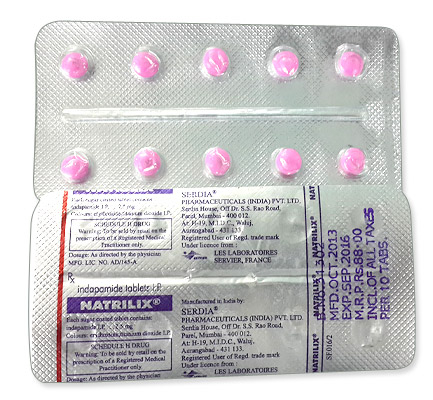
Diuretics are medications that help your body remove excess salt and water through urine. They work by affecting your kidneys' ability to reabsorb water and electrolytes, which increases urine production. This process helps reduce the amount of fluid in your blood vessels and tissues, lowering blood pressure and decreasing the workload on your heart. There are several different types of diuretics, each working through different mechanisms in the kidney. These medications have been used for decades and remain among the most commonly prescribed drugs in Canada. Understanding how diuretics function is essential for anyone taking these medications, as it helps explain both their benefits and potential side effects. Your doctor may prescribe diuretics as part of a comprehensive treatment plan for various conditions affecting your cardiovascular and urinary systems.
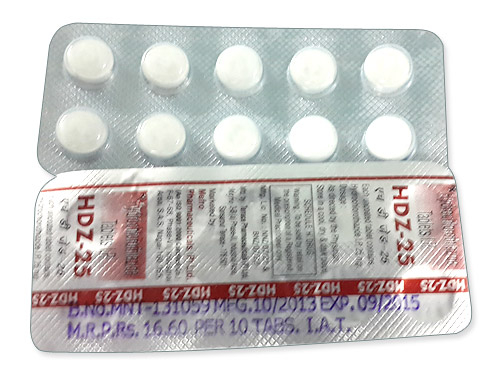
Thiazide diuretics are among the most frequently prescribed diuretics in Canada. These include hydrochlorothiazide, which is available under brand names like Hydrodiuril, and chlorthalidone, sold as Hygroton. Thiazide-like diuretics include indapamide, marketed as Lozide in Canada. These medications work on the distal convoluted tubule of the nephron and are particularly effective for managing high blood pressure. They're often used as first-line treatment for hypertension because they're effective, affordable, and generally well-tolerated.
Loop diuretics like furosemide (Lasix) and bumetanide (Bumex) are powerful diuretics that work in the loop of Henle within the kidney. These are typically prescribed for more serious conditions, including congestive heart failure and severe edema. Furosemide is one of the most potent diuretics available in Canada and works quickly, making it valuable in emergency situations. Loop diuretics are more powerful than thiazides and can remove larger amounts of sodium and water from your body.
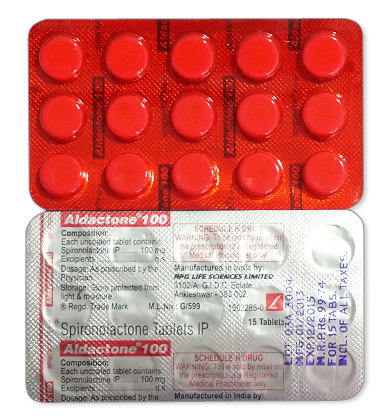
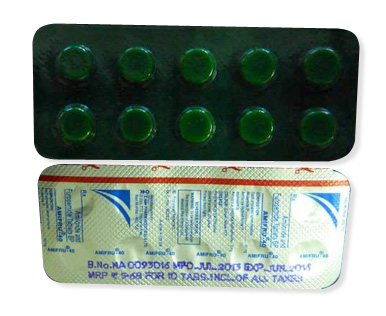
Potassium-sparing diuretics like spironolactone (Aldactone) and amiloride (Midamor) work differently than other diuretics by preventing potassium loss. These are often combined with other diuretics to help maintain healthy potassium levels. Spironolactone is commonly used for heart failure and hypertension management in Canada. These medications are gentler on electrolyte balance compared to other diuretic classes.
Diuretics are frequently prescribed to manage hypertension, a condition affecting millions of Canadians. By reducing fluid volume in the bloodstream, diuretics lower blood pressure naturally. This can help prevent serious complications like heart attack and stroke. Many patients find that diuretics are effective as monotherapy or combined with other blood pressure medications.
Patients with congestive heart failure often experience fluid buildup in their lungs and tissues, causing swelling and breathing difficulties. Diuretics help remove this excess fluid, improving symptoms and exercise tolerance. Both acute and chronic heart failure patients benefit from appropriate diuretic therapy. The medication helps the heart pump more efficiently by reducing the workload.
Certain kidney and liver conditions cause fluid retention and swelling. Diuretics help manage these symptoms and can improve quality of life. Patients with cirrhosis or nephrotic syndrome may receive diuretic treatment as part of their management plan. These medications help control ascites and other fluid accumulation related to organ dysfunction.
Diuretics effectively reduce blood pressure and fluid overload, preventing serious cardiovascular complications. They improve breathing and reduce swelling in patients with heart failure or edema. Many diuretics are affordable and accessible in Canada's healthcare system. These medications have a long track record of safety when used appropriately under medical supervision.
Some patients experience increased urination and mild dehydration with diuretic use. Electrolyte imbalances, particularly potassium changes, can occur with certain types. Some people report dizziness, weakness, or fatigue, especially when starting treatment. Thiazide diuretics may increase blood sugar levels in some patients. Gout can occasionally be triggered or worsened by certain diuretics. Most side effects are manageable through dose adjustment or medication combination.
You should report certain symptoms to your healthcare provider promptly:
Diuretics can interact with other medications, so inform your doctor about all drugs you're taking. NSAIDs may reduce diuretic effectiveness and increase kidney problems. ACE inhibitors and ARBs combined with diuretics require careful monitoring of kidney function and potassium levels. Lithium levels can become dangerously high when combined with diuretics. Certain antibiotics and other medications may interact with diuretics, so your pharmacist should review your complete medication list. Regular blood work helps ensure your electrolytes and kidney function remain healthy while taking diuretics. Never adjust your diuretic dose without consulting your healthcare provider.
Take your diuretic exactly as prescribed by your doctor, typically in the morning to prevent sleep disruption. Set reminders or use a pill organizer to ensure consistent use. Keep regular appointments with your healthcare provider for monitoring and dose adjustments. Have your blood pressure checked regularly to assess medication effectiveness.
Maintain a healthy, low-sodium diet to enhance diuretic effectiveness. Stay physically active as recommended by your doctor, but discuss exercise plans when taking diuretics. Monitor your fluid intake and weight daily, reporting significant changes to your healthcare provider. Include potassium-rich foods in your diet if you're not taking potassium-sparing diuretics, but discuss dietary changes with your doctor first.
Keep a record of your blood pressure readings and any symptoms you experience. Report any new or worsening symptoms to your healthcare provider promptly. Attend all scheduled laboratory tests to monitor kidney function and electrolytes. Stay informed about your medications by asking your pharmacist or doctor questions about how diuretics work and what to expect.